
Drone Strike Hits Bahrain Refinery as Crack Spreads Surge
Incident at Bahrain Refinery
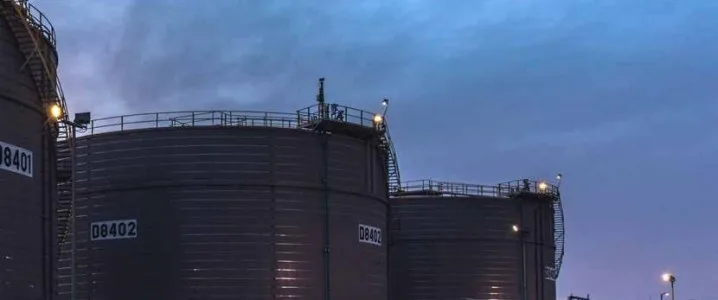
Early Thursday morning, a drone strike targeted critical oil infrastructure situated within Bahrain's Ma'ameer industrial region. This incident has amplified existing anxieties surrounding the vulnerability of refining assets in the Gulf region, particularly as geopolitical tensions continue to mount. The Ma'ameer area is a vital hub, housing infrastructure integral to the refining operations of the Bahrain Petroleum Company (BAPCO).
While comprehensive details remain scarce, preliminary reports suggest that the attack, potentially executed with Iranian ballistic missiles, focused on energy infrastructure within the industrial zone, rather than upstream oil production facilities. Authorities are currently assessing the extent of the damage, with initial reports indicating significant fires at BAPCO's primary refinery in Sitra. As of now, it is unclear whether the refinery's operations have been significantly disrupted. BAPCO has confirmed the strike on its 405,000 b/d Sitra refinery, stating that there were no casualties and that the fire has been contained, with the refinery remaining operational.
Market Reaction and Refining Margins
The energy markets responded swiftly to news of the attack. Refining margins experienced a notable widening as traders began to factor in the increased risk of potential supply disruptions. Crack spreads, a key indicator of refinery profitability reflecting the price differential between crude oil and refined products like gasoline and diesel, have been trending upward as market participants increasingly focus on refining capacity as a potential choke point.
Specifically, diesel margins, as measured by the ICE gasoil crack spread against Brent crude, expanded as traders priced in the possibility of refinery disruptions in the Gulf. ICE low-sulfur gasoil futures saw a surge of over $100 per metric ton in early trading, significantly outpacing gains in Brent crude, which rose by only a few dollars per barrel. This divergence reflects concerns about potential disruptions to the supply of diesel and jet fuel. The attack underscores a growing apprehension regarding the security of energy infrastructure beyond crude oil production.
Implications for Global Energy Markets
The incident in Bahrain highlights the critical importance of refining capacity in the global energy supply chain. While crude oil supply is often buffered by inventories and spare production capacity, providing a cushion for market adjustments, refining capacity is far less flexible. Damage to a refinery can have an almost immediate impact on product markets, leading to price increases for essential fuels such as gasoline, diesel, and jet fuel.
Although Bahrain's refining sector is smaller compared to those of regional giants like Saudi Arabia and the United Arab Emirates, it remains a crucial hub for refined fuel supply in the Gulf. The country has invested significantly in expanding and upgrading its refining infrastructure, enhancing its role in producing diesel and other refined products for export. Traders are now closely monitoring the situation for confirmation of any operational disruptions. Depending on the extent of the damage, this incident has the potential to further tighten already strained product markets and introduce additional volatility into global energy prices. The focus remains on the extent of damage and the timeline for restoring full operational capacity at the affected refinery.
Track markets in real-time
Empower your investment decisions with AI-powered analysis, technical indicators and real-time price data.
Join Our Telegram Channel
Get breaking market news, AI analysis and trading signals delivered instantly to your Telegram.
Join Channel