Fed holds steady, pushes back on cuts as inflation risks linger
Federal Reserve Signals Patience on Rate Cuts
The Federal Reserve concluded its latest policy meeting by keeping its key interest rate target range unchanged, effectively signaling a prolonged pause in its monetary tightening cycle. This decision, widely anticipated by markets, reflects a cautious stance amid persistent inflationary pressures that continue to challenge the central bank's 2% target.
Chair Jerome Powell's subsequent remarks reinforced this message of patience. While acknowledging recent economic data, the overarching tone from both the official statement and the press conference pointed away from any immediate pivot towards rate reductions. The focus remains on ensuring inflation is definitively on a path back to the desired level before considering any adjustments to borrowing costs.
Understanding the Fed's Dual Mandate and Tools
At its core, the Federal Reserve operates under a dual mandate: to promote maximum employment and maintain stable prices. Its primary instrument for influencing economic activity is the federal funds rate, the target rate for overnight lending between banks. Adjusting this rate ripples through the broader economy, affecting everything from mortgage payments to business investment.
When inflation runs hot, the Fed typically raises interest rates. This action increases the cost of borrowing money, which tends to cool down economic demand and, consequently, price increases. A higher interest rate environment can also attract foreign capital seeking better returns, often strengthening the US Dollar. Conversely, if inflation falters or unemployment climbs too high, the Fed may lower rates to stimulate borrowing and economic growth, usually putting downward pressure on the dollar.
The Federal Open Market Committee (FOMC), comprising twelve voting members, convenes eight times annually to deliberate on economic conditions and set monetary policy. This committee includes the seven members of the Board of Governors and five Reserve Bank presidents. Beyond conventional rate adjustments, the Fed possesses extraordinary tools like Quantitative Easing (QE) and Quantitative Tightening (QT).
QE involves the central bank injecting liquidity into the financial system by purchasing assets, typically government bonds. This was a significant tool during the 2008 financial crisis and subsequent periods of economic stress, generally leading to a weaker dollar. Quantitative Tightening (QT) is the unwinding of this process, where the Fed allows its bond holdings to mature without reinvesting the principal, thereby reducing the money supply and potentially supporting the dollar's value.
Market Ripple Effects
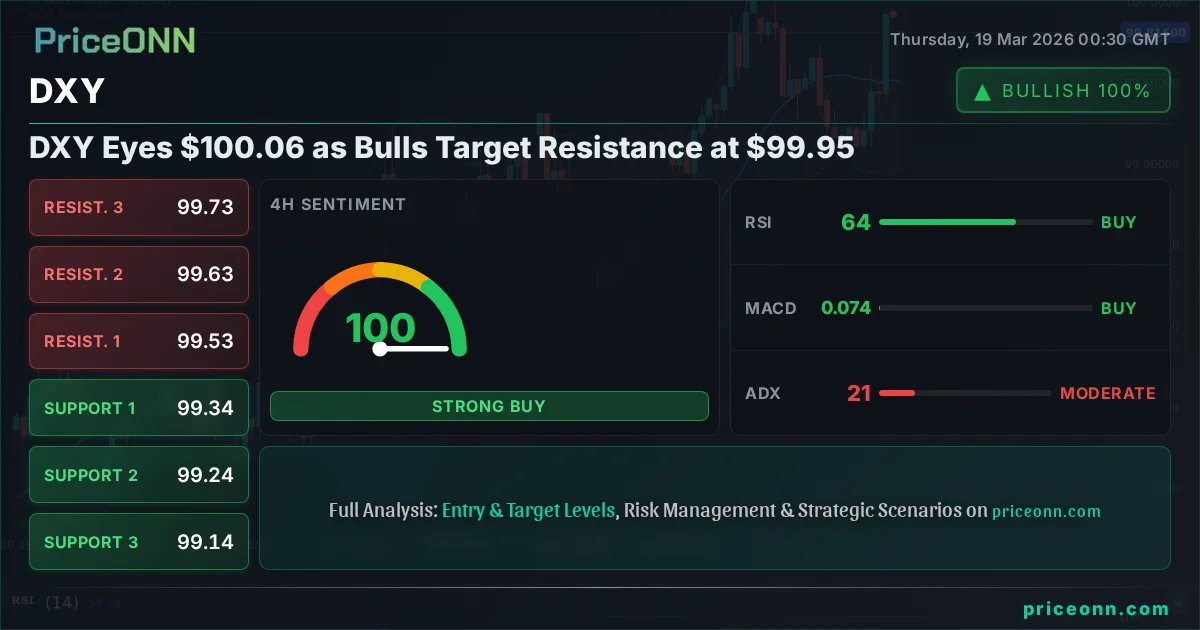
The Fed's resolute stance on maintaining current interest rates, coupled with a clear message of delayed easing, carries significant implications across financial markets. This policy decision directly impacts the trajectory of the US Dollar Index (DXY), which often finds support when interest rate differentials favor the United States. Investors are likely to remain focused on US economic data, particularly inflation figures and employment reports, for clues on when the Fed might reconsider its position.
Furthermore, this environment can influence global equity markets. While higher rates can be a headwind for growth stocks, sectors that benefit from stable demand or have pricing power may show resilience. Bond yields, particularly US Treasury yields, will remain a key indicator to watch, as they directly reflect market expectations of future Fed policy. Expectations for interest rates also play a crucial role in currency pairs involving the USD, such as EUR/USD and USD/JPY. A sustained period of higher US rates could offer continued support to the dollar against other major currencies.
Reading Between the Lines
The central bank's decision to hold rates steady, despite ongoing discussions about potential future cuts, underscores a critical point: the fight against inflation is far from over. The committee's assessment suggests that current monetary policy is restrictive enough to eventually bring inflation down, but they are unwilling to risk premature easing that could reignite price pressures.
This measured approach means that traders and investors should brace for continued volatility influenced by incoming economic data. Key metrics to monitor closely will include the Consumer Price Index (CPI) and the Personal Consumption Expenditures (PCE) price index, the Fed's preferred inflation gauge. Additionally, labor market data, such as jobless claims and wage growth, will be scrutinized for signs of overheating or cooling. The Fed's communication will also be paramount; any subtle shifts in language or emphasis from officials could trigger significant market reactions. The current stance implies that the bar for rate cuts remains high, requiring sustained evidence of disinflationary trends.
Track markets in real-time
Empower your investment decisions with AI-powered analysis, technical indicators and real-time price data.
Join Our Telegram Channel
Get breaking market news, AI analysis and trading signals delivered instantly to your Telegram.
Join Channel