
Is a Fed Rate Cut Off the Table for 2026?
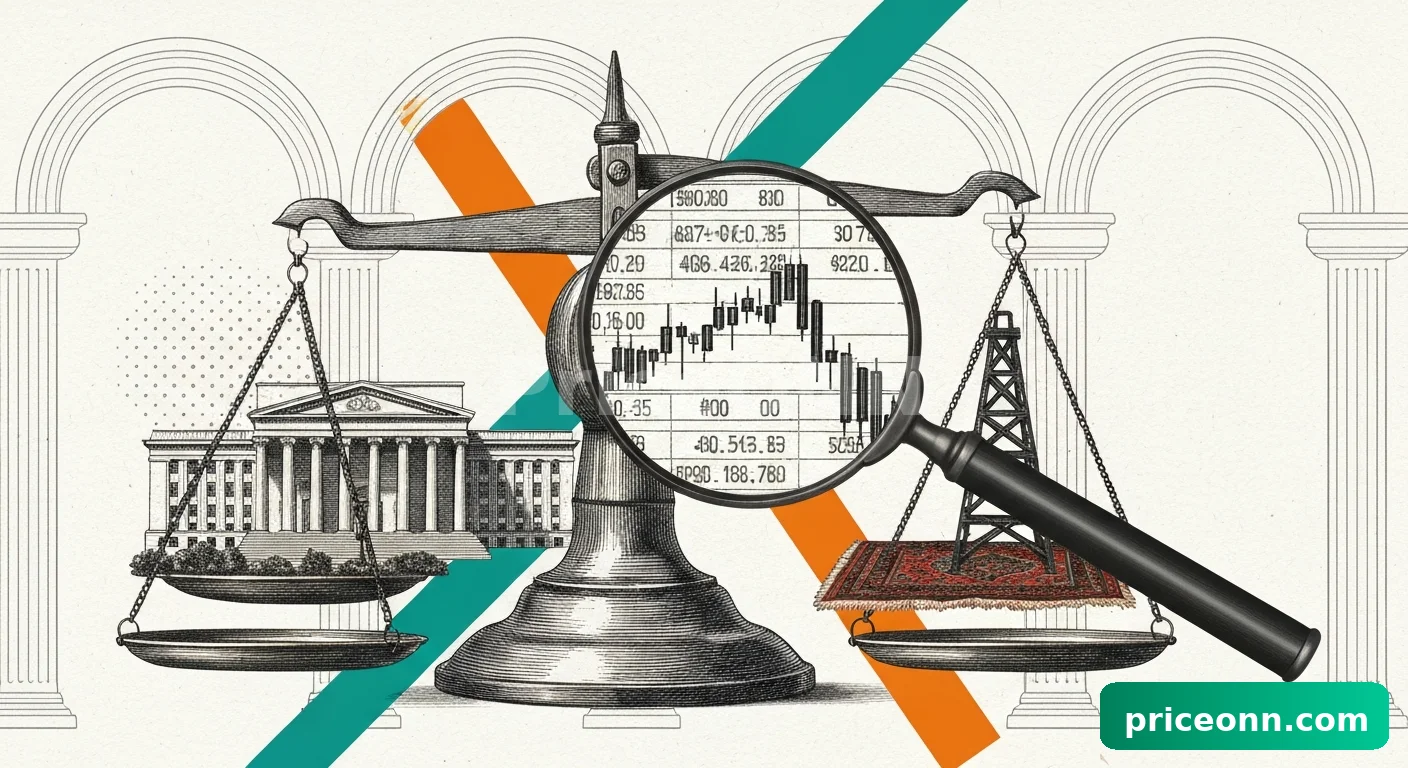
Equity markets experienced a notable downturn following this week's Federal Reserve meeting, as investors recalibrated their expectations for monetary policy. Despite Federal Reserve Chair Jerome Powell's optimistic assessment of economic conditions, including solid growth and a rejection of stagflation concerns, market participants have largely priced out any possibility of interest rate cuts in 2026. This sentiment shift is underscored by a significant drop in the probability of even a 25 basis point reduction, now estimated at a mere 17.2% according to CME Group's FedWatch analysis.
Market Context
The Federal Reserve's post-meeting statement acknowledged 'uncertainty' related to the escalating Iran war, yet Chair Powell's press conference focused primarily on the perceived strength of the domestic economy. This divergence between geopolitical realities and the central bank's perceived policy stance appears to have unsettled investors. Instead of rallying on the Fed's apparent confidence, stock indices and futures moved lower. This reaction has been likened by some market veterans to a 'taper tantrum,' where investor sentiment soured due to perceptions of potentially tighter or less accommodative monetary policy than anticipated, especially in light of global instability.
Analysis & Drivers
The primary driver behind the market's negative reaction appears to be the Federal Reserve's apparent unwillingness to acknowledge or directly address the economic implications of the escalating Iran conflict. While Fed officials maintain an upbeat view on domestic growth and labor markets, and anticipate core inflation moderation, the market is increasingly concerned about how these global events could impact economic stability. The Fed's focus on domestic strength, coupled with inflation remaining above the 2% target, suggests a cautious approach, leaving little room for dovish policy adjustments in the near term. Furthermore, fed funds futures even saw a slight increase in the probability of a rate hike, rising to 8.4%, indicating a growing sentiment that policy may not ease, and could potentially tighten further.
Trader Implications
Traders should closely monitor the interplay between geopolitical developments and central bank rhetoric. The current market sentiment suggests that any further escalation in the Middle East could lead to increased volatility and a negative impact on risk assets, particularly if the Fed continues to emphasize domestic resilience without offering policy concessions. Key levels to watch for major equity indices will be crucial support zones, as a breach could signal further downside. Conversely, any dovish signals from Fed officials outside of official meetings, or a clear de-escalation in geopolitical tensions, could provide a reprieve for risk assets. The probability of a rate hike, however small, also warrants attention as an indicator of underlying hawkish sentiment.
Outlook
The immediate outlook suggests continued market sensitivity to geopolitical news and Federal Reserve commentary. With rate cut expectations significantly diminished, the focus shifts to whether the central bank will maintain its current stance or be forced to reassess policy should global instability significantly impact economic growth. Investors are now grappling with the prospect of a prolonged period of stable-to-higher interest rates, a scenario that could challenge equity valuations and increase demand for safer assets.
Frequently Asked Questions
What is the current probability of a Federal Reserve interest rate cut in 2026?
Market data indicates a low probability of an interest rate cut in 2026, with odds for even a 25 basis point reduction standing at just 17.2% following the latest Federal Reserve meeting.
How did the stock market react to the Federal Reserve's latest decision?
Equity markets reacted negatively, with stocks and futures moving lower. This downturn was attributed to the Fed's optimistic economic outlook contrasting with escalating geopolitical tensions, leading to a reassessment of monetary policy expectations.
What key factors should traders watch moving forward?
Traders should closely monitor geopolitical developments, particularly concerning the Iran war, and any further commentary from Federal Reserve officials regarding inflation and economic growth. The 2% inflation target and the prospect of rate hikes remain critical considerations.
Track markets in real-time
Empower your investment decisions with AI-powered analysis, technical indicators and real-time price data.
Join Our Telegram Channel
Get breaking market news, AI analysis and trading signals delivered instantly to your Telegram.
Join Channel
PriceONN