Iraq Negotiates with Iran to Reopen Vital Oil Shipping Route

Oil Exports Halted Amidst Persian Gulf Tensions
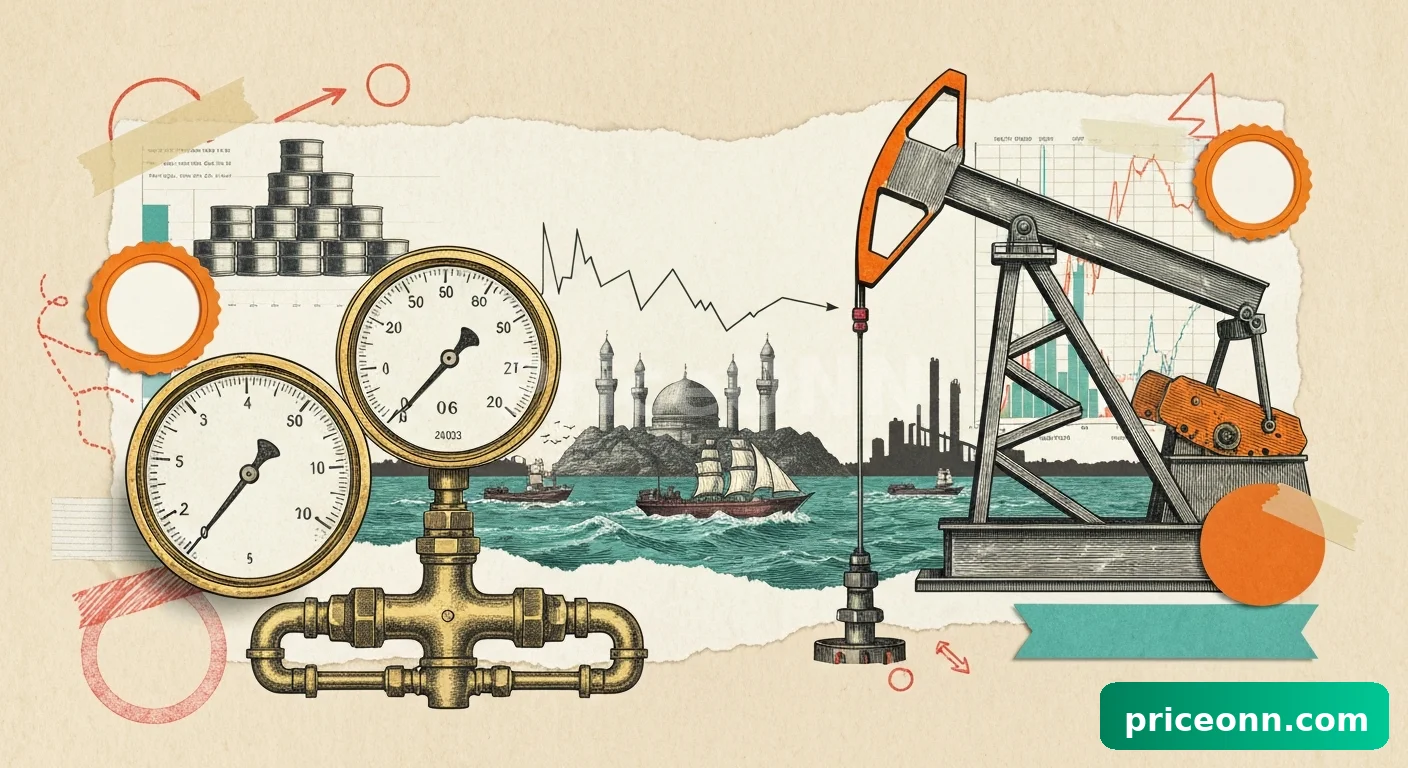
Baghdad is currently engaged in high-level discussions with Tehran, seeking a diplomatic solution to reopen a crucial energy artery. Iraq's Oil Minister, Hayyan Abdul Ghani, confirmed on Tuesday that communications are underway with Iran concerning the potential passage of some Iraqi oil tankers. This plea comes as the Strait of Hormuz, a critical chokepoint for global oil trade, has remained effectively closed to Iraqi vessels for over two weeks. Unlike regional heavyweights such as Saudi Arabia and the United Arab Emirates, Iraq lacks alternative export routes, leaving it acutely vulnerable to disruptions in this vital waterway.
The protracted closure has already forced Iraq to implement significant production cuts. Storage facilities and available tankers in the Gulf have reached capacity, creating a bottleneck that directly impacts upstream operations. Prior to this crisis, Iraq, holding the position of OPEC's second-largest producer, was pumping over 4.4 million barrels per day. However, the ongoing conflict has necessitated a drastic reduction, with current production levels maintained at approximately 1.4 million barrels per day.
Estimates from the International Energy Agency (IEA) paint a stark picture, suggesting initial daily output losses of around 5 million barrels have now escalated to affect roughly 10 million barrels across the affected region. This situation presents a particularly severe challenge for Iraq. Its national budget is heavily reliant on oil revenues, and unlike its wealthier neighbors, Baghdad does not possess substantial sovereign wealth funds to cushion the economic blow of prolonged export disruptions.
Scramble for Alternative Export Pathways
With the southern export route through the Strait of Hormuz severely compromised, Iraq is urgently exploring options to revive a northern oil export corridor. The focus is on reactivating a pipeline system that would transport crude oil from the Kirkuk fields directly to Turkey's Mediterranean port of Ceyhan. This initiative represents a critical effort to mitigate the economic fallout from the southern route's inaccessibility.
The closure of the Strait of Hormuz, even if temporary, highlights the geopolitical risks inherent in concentrated energy transit points. The IEA's recent report underscores the global impact of such disruptions, with the broader energy market experiencing significant pressure. For Iraq, however, the stakes are existential, given its high dependence on oil income and limited financial reserves.
Reading Between the Lines
This diplomatic overture from Iraq to Iran signals the extreme pressure Baghdad is under to resume oil exports. The fact that Iraq, a significant regional producer, is resorting to such measures underscores the severity of the blockade's impact. The success of these negotiations could have ripple effects not only for Iraq's economy but also for regional energy dynamics and global oil prices.
Traders and investors should monitor developments closely. The potential reopening of this shipping lane could alleviate some upward pressure on crude oil prices, especially if it signals a de-escalation of regional tensions. However, the underlying geopolitical risks remain elevated. The market will also be watching Iraq's progress in restoring its northern export route via Turkey, which offers a degree of diversification but comes with its own set of logistical and political considerations.
The immediate implications point to a potential short-term relief for Iraqi crude supply if passage is granted. Medium-term, however, the situation remains volatile. The broader market will likely price in the persistent risk premium associated with the Strait of Hormuz. Key levels to watch include Brent and WTI crude oil futures, as well as the performance of energy sector equities. The Iraqi Dinar (IQD) may also see some stability if export revenues begin to normalize, though this is a secondary effect compared to the impact on global benchmarks.
Track markets in real-time
Empower your investment decisions with AI-powered analysis, technical indicators and real-time price data.
Join Our Telegram Channel
Get breaking market news, AI analysis and trading signals delivered instantly to your Telegram.
Join Channel