Strait of Hormuz Closure Sparks 'Nuclear Option' Threat, Pushing Oil Past $100
Crude oil prices have surged past the $100 per barrel mark, driven by the dramatic closure of the Strait of Hormuz, a critical chokepoint for global energy flows. The escalating Middle East conflict has prompted Gulf Cooperation Council (GCC) nations to contemplate an extreme measure: declaring force majeure on oil and gas exports, which could remove an additional 20% of global supply from the market. This potential action, coupled with ongoing supply disruptions, has sent shockwaves through energy markets.
Market Context
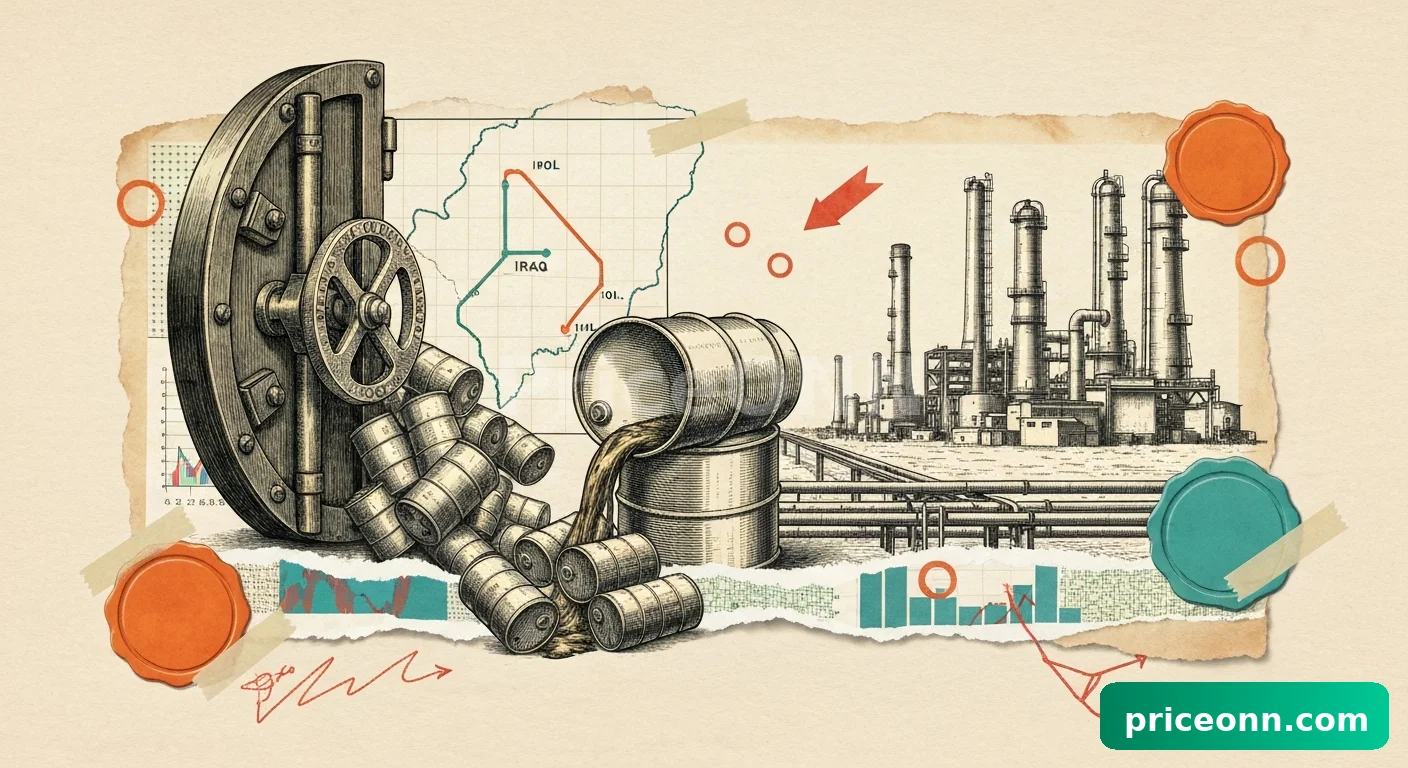
The Strait of Hormuz, through which approximately 15 million barrels of oil per day transit, has seen commercial traffic effectively cease. Vessel tracking data indicates zero commercial transits on a recent Saturday, a stark departure from the usual daily average. This disruption has already led to significant revenue losses for GCC nations, estimated at over $1.2 billion per day and exceeding $15 billion since the conflict began. The impact is being felt keenly by Asian refineries, particularly in China, which previously received over one-third of its crude imports through the strait in early 2025. The broader Middle East region has seen over 12 million barrels of oil equivalent per day (boepd) of production taken offline in less than three weeks, including approximately 7 million barrels per day (bpd) of crude, equivalent to 7% of global liquids demand. Iraq has been particularly hard-hit, with over 60% of its pre-conflict output curtailed.
Analysis & Drivers
The primary driver for the current market volatility is the geopolitical crisis unfolding in the Middle East, specifically the military actions impacting Iran and the subsequent closure of vital shipping lanes. The potential for Gulf producers to invoke force majeure represents a significant escalation, effectively weaponizing energy supply to influence the conflict's trajectory. Analysts note that this move would compel major oil-importing nations, such as China, India, Japan, and South Korea, to exert greater pressure for de-escalation. The United States is reportedly urging these nations to play a more active role in securing the route. While the immediate focus is on the supply shock, the economic ramifications are substantial. Intelligence firm Rystad Energy projects that U.S. shale producers could generate an additional $63.4 billion in free cash flow if U.S. benchmark crude averages $100 per barrel for the year. However, this scenario is not a guaranteed outcome, as market watchers remain divided on the sustainability of prices above this critical level, despite the immediate risk of short-term volatility.
Trader Implications
Traders should closely monitor geopolitical developments in the Middle East and any official statements from GCC nations regarding their export status. Key levels to watch for WTI crude include immediate resistance around the $100-$105 range, with potential support levels tested if de-escalation signals emerge. The risk of further supply curtailments from the Middle East, potentially pushing regional output down to 6 million bpd in a pessimistic scenario, remains a significant upside risk for prices. Conversely, any successful diplomatic efforts to reopen the Strait of Hormuz or the establishment of a multinational naval coalition to escort tankers could lead to a sharp price correction. The U.S. shale sector's ability to capitalize on higher prices will depend on sustained elevated crude benchmarks, but operational realities and strategic decision-making will be crucial. Traders should also consider the potential for increased volatility in natural gas markets, given the interconnectedness of energy supply chains.
Outlook
The immediate outlook for oil prices remains highly sensitive to geopolitical tensions and the actions of major energy producers. The threat of a 20% global supply reduction via force majeure by GCC countries looms large, suggesting that crude could remain elevated or even climb higher if the situation deteriorates. Diplomatic efforts, including potential Chinese involvement as requested by the U.S., will be critical in determining the future of the Strait of Hormuz. While U.S. shale producers stand to benefit from sustained high prices, the long-term stability of global energy markets hinges on a resolution to the Middle East conflict and the restoration of critical transit routes. Traders should prepare for continued price swings and closely watch for any signs of de-escalation or further supply disruptions.
Frequently Asked Questions
What is the 'nuclear option' being considered by Gulf producers?
The 'nuclear option' refers to Gulf Cooperation Council (GCC) nations declaring force majeure on their oil and gas exports. This drastic measure could deliberately remove approximately 20% of global supply from the market, significantly impacting prices and global economic stability.
How much crude oil transits the Strait of Hormuz daily?
Roughly 15 million barrels per day of crude oil normally transit the Strait of Hormuz. The current shutdown has immobilized this volume, leading to substantial economic losses for producing nations.
What is the potential financial windfall for U.S. shale producers?
Intelligence firm Rystad Energy estimates that U.S. shale producers could generate an additional $63.4 billion in free cash flow if the U.S. benchmark crude price averages $100 per barrel for the year, presenting a significant opportunity amid the supply crisis.
Track markets in real-time
Empower your investment decisions with AI-powered analysis, technical indicators and real-time price data.
Join Our Telegram Channel
Get breaking market news, AI analysis and trading signals delivered instantly to your Telegram.
Join Channel