Crude Oil Prices Spike as Geopolitical Tensions Escalate in the Middle East
Crude oil prices have experienced a notable upward swing, driven by escalating geopolitical tensions in the Middle East and the subsequent disruption of critical oil supply routes. The situation has led to a substantial decrease in the availability of global oil, prompting a sharp reaction in the market.
Market Context
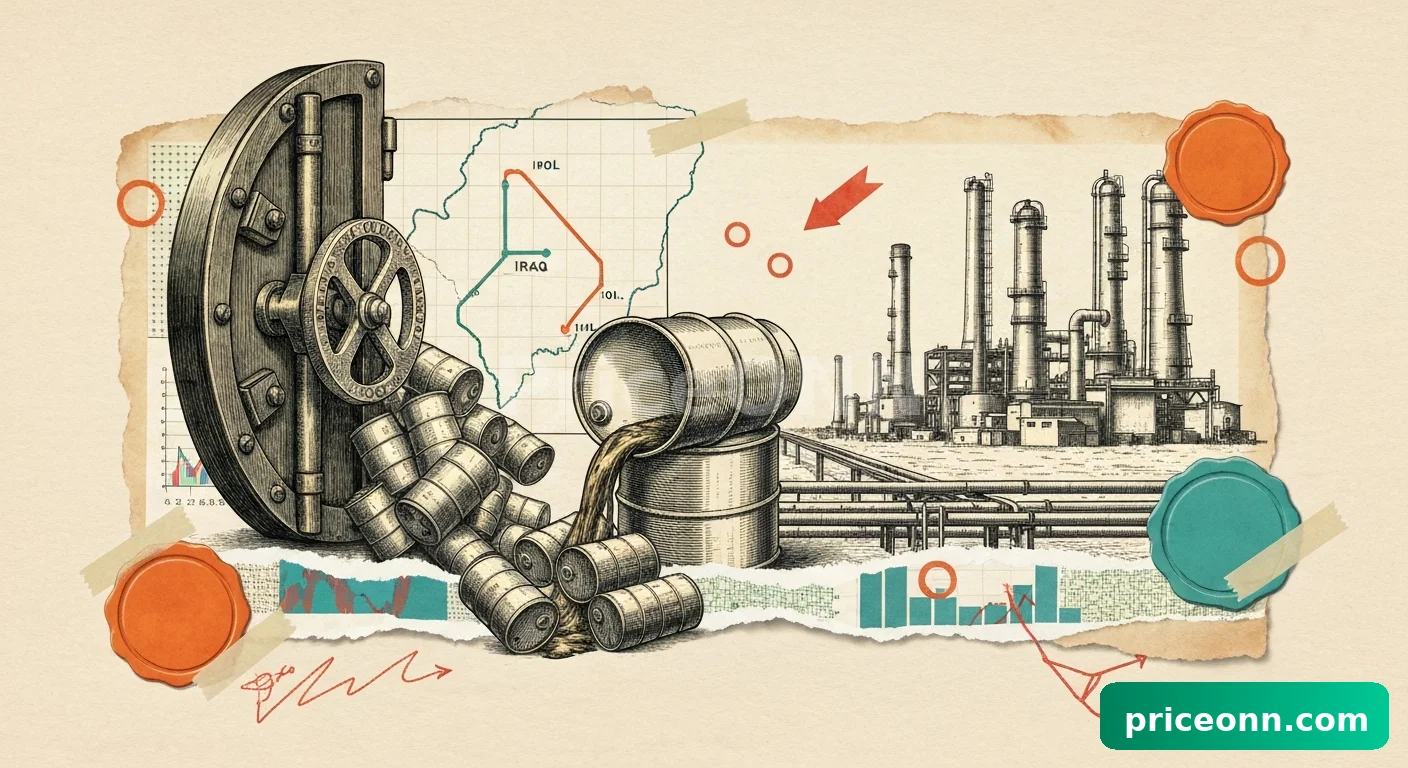
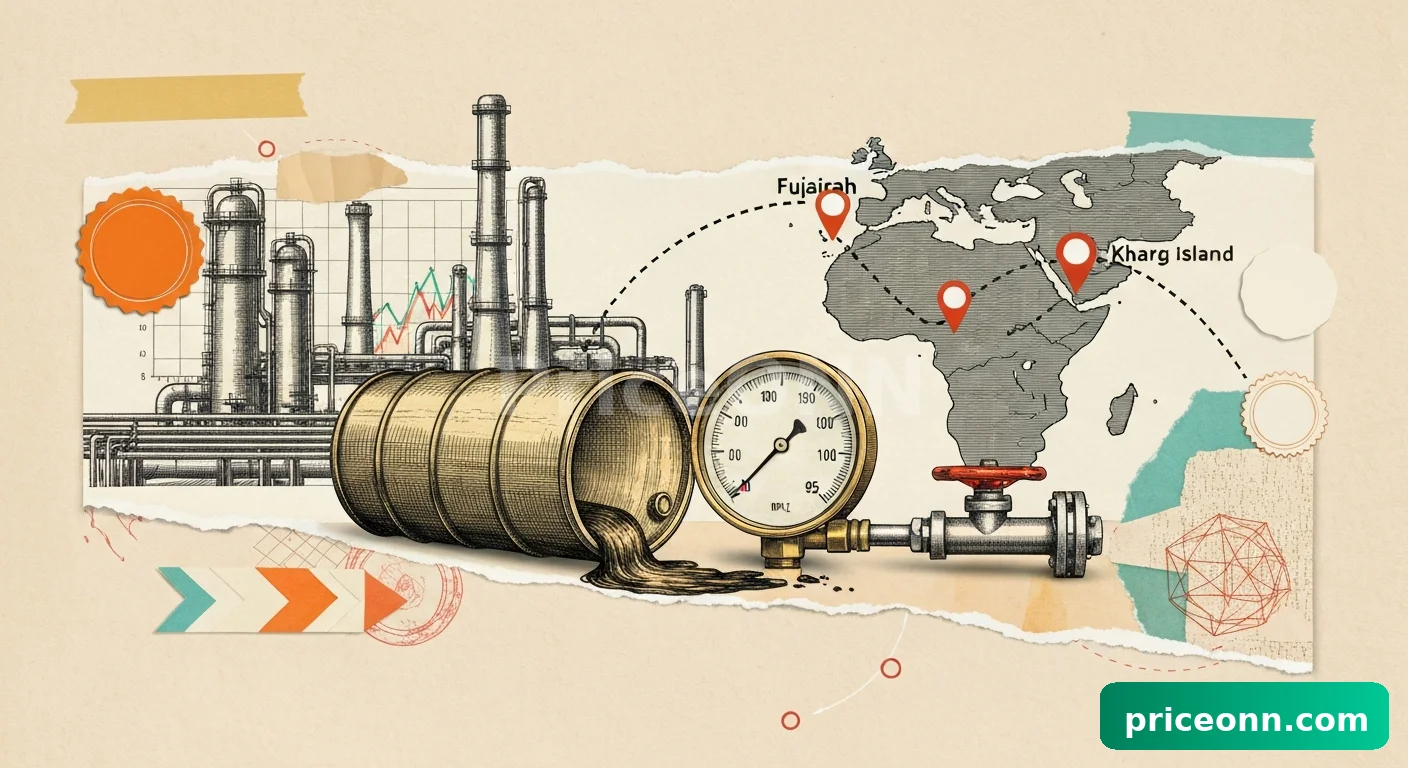
The market is grappling with a significant supply shock, estimated to be around one-fifth of the world's total supply, directly attributable to the ongoing conflict involving Iran. The closure of the Strait of Hormuz, a vital chokepoint for oil transit, has effectively halted approximately 20 million barrels per day of Persian Gulf exports. This dramatic reduction in supply, coupled with the strategic closure of the Iraq Turkey Pipeline (ITP) from the northern region, has created a deficit that is proving difficult to offset.
In response to the crisis, the International Energy Agency (IEA), representing 32 member countries, convened an emergency meeting. The consortium agreed to a coordinated release of 400 million barrels from strategic petroleum reserves. However, market data indicates that this release, while the largest in history, represents only about 20 days of lost supply and may not be deployable fast enough to counteract the immediate shortfall, leading to skepticism about its efficacy in stabilizing prices.
Analysis & Drivers
The primary driver behind the current price surge is the severe disruption to physical oil supply. Iran's stated intention to push oil prices to $200 per barrel, coupled with the physical closure of major transit routes, has created a potent mix of supply scarcity and fear-driven speculation. The geopolitical maneuvering between Iran, supported by China and Russia, aiming to influence Iraq's energy sector, and the U.S. and its allies seeking to curtail Iranian influence, has created a volatile environment.
The Federal Government of Iraq (FGI) is particularly vulnerable, as approximately 90% of its government revenues are derived from oil exports. With its primary export route through the Persian Gulf now compromised by the Strait of Hormuz closure, the ITP route through Turkey becomes its sole significant avenue for crude export. Tensions between Baghdad and the Kurdistan Regional Government (KRG) in the north add another layer of complexity to Iraq's ability to maintain consistent supply.
Trader Implications
Traders should be acutely aware of the developing supply-side risks. The effectiveness of the IEA's strategic reserve release remains a key point of observation. Market participants are closely monitoring whether the physical supply constraints can be eased or if speculative demand will continue to drive prices higher. The potential for further supply disruptions, either through escalated conflict or political instability in the region, remains a significant risk factor.
Key price levels to watch include the recent highs reached in the futures market. A sustained move above $90 per barrel for Brent crude could signal further upward momentum. Conversely, any signs of de-escalation or a more robust-than-expected supply response could lead to a price correction. The U.S. Department of the Treasury's indication of potential intervention in the futures market to curb speculation adds another variable, though its impact is expected to be limited if physical supply remains tight.
Outlook
The immediate outlook for crude oil prices remains bullish, contingent on the duration and intensity of the geopolitical conflict and its impact on supply chains. While the strategic reserve release offers some buffer, the fundamental imbalance between supply and demand, exacerbated by the Strait of Hormuz closure, suggests that upward price pressure is likely to persist in the short term. Traders should remain vigilant for news regarding diplomatic efforts, potential de-escalation, or further supply disruptions in the Middle East.
Frequently Asked Questions
What is the current impact of the Iran war on global oil supply?
The Iran war has led to a cutoff of approximately one-fifth of the world's oil supply, primarily due to the closure of the Strait of Hormuz and disruptions to Iraqi exports. This has removed about 20 million barrels per day from global markets.
How are governments trying to stabilize oil prices?
Governments are attempting to stabilize prices through various measures, including the coordinated release of 400 million barrels from strategic petroleum reserves by IEA member countries and the potential intervention in oil futures markets to curb speculation. Some nations are also considering price caps and rationing.
What are the key price levels to watch for crude oil?
Traders should monitor the key resistance level around $90 per barrel for Brent crude. A sustained break above this level could indicate further price appreciation, while a failure to hold above critical support could signal a potential pullback.
Track markets in real-time
Empower your investment decisions with AI-powered analysis, technical indicators and real-time price data.
Join Our Telegram Channel
Get breaking market news, AI analysis and trading signals delivered instantly to your Telegram.
Join Channel