
Why Did Oil Prices Tumble 5% Today as Strait of Hormuz Eases?
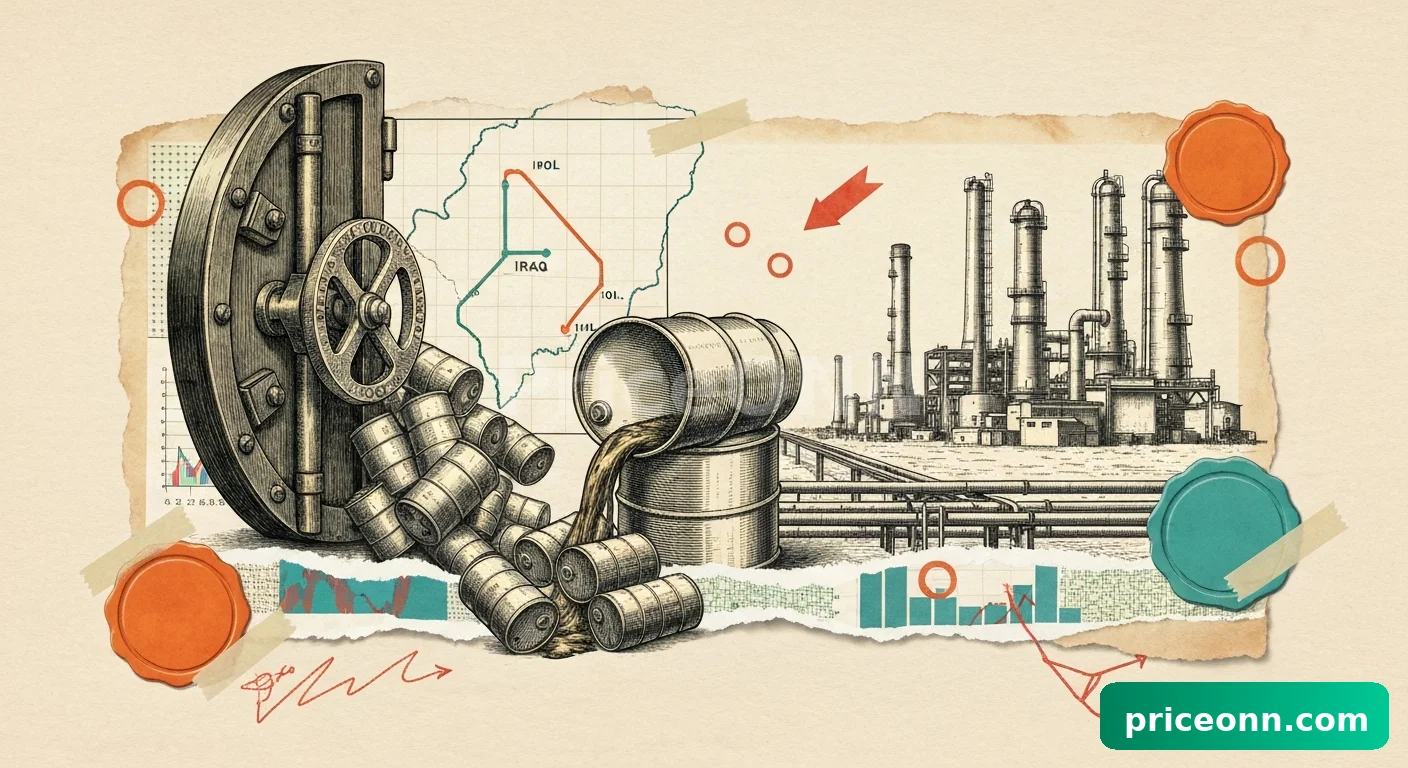
Crude oil prices experienced a sharp reversal on Monday, with West Texas Intermediate (WTI) futures for April delivery plummeting by 5.45% to $93.33 per barrel. This significant drop follows a three-session rally that saw prices climb as traders booked profits amid tentative signs of de-escalation in the critical Strait of Hormuz. The recent surge in oil prices was largely a reaction to concerns over supply disruptions due to ongoing military operations in the Middle East.
Market Context
The price of WTI crude had reached $98.71 per barrel by the close of trading last Friday, reflecting heightened anxieties over the conflict that began on February 28. The Strait of Hormuz, a vital chokepoint for a substantial portion of global oil exports, has been effectively closed since the conflict's inception. This closure forced Middle Eastern nations to scale back production due to storage limitations, leading to a dramatic increase in oil prices and contributing to global inflationary pressures. Market participants had begun to anticipate a more hawkish stance from major central banks in response to this inflation.
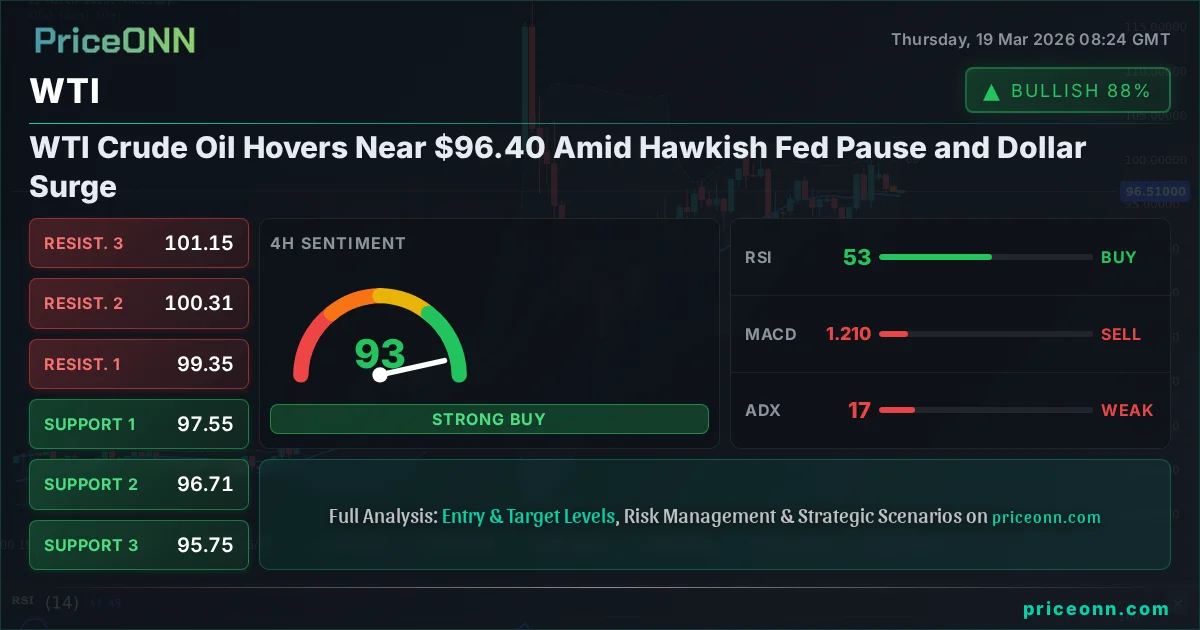
However, recent developments have injected a note of caution into the market. Reports indicate that several vessels, including an oil tanker and LPG carriers linked to Pakistan, have been granted clearance to transit the Strait over the weekend. Additionally, U.S. authorities have reportedly allowed Iranian tankers to pass. These developments, while incremental, suggest that the severe supply restrictions might begin to abate, prompting traders to unwind long positions and realize gains.
Analysis & Drivers
The primary driver behind Monday's price correction is the perceived easing of supply risks, however slight. While military actions, including reported strikes on Kharg Island, continue, the news that Iran's oil infrastructure remained undamaged and that transit through the Strait is showing nascent signs of normalization has significantly altered market sentiment. U.S. President Donald Trump's calls for international cooperation in securing maritime routes underscore the strategic importance of the region, but the immediate market reaction favors the de-escalation narrative.
Simultaneously, efforts are underway to reroute supply and mitigate the impact of the conflict on global oil flows. Iraq, for instance, is actively working to restore its northern export route via the Kirkuk-Turkey pipeline to the Mediterranean port of Ceyhan. This initiative aims to bypass the disrupted southern export corridor through the Gulf. The Iraqi Oil Minister stated that sections of the Kirkuk-Ceyhan pipeline network are being revamped to allow federal crude to flow north without reliance on infrastructure controlled by the Kurdistan Regional Government (KRG). While a dispute with the KRG over export routes persists, Iraq is preparing to revive its own federal pipeline, capable of carrying between 200,000 to 250,000 barrels per day. This pipeline, largely out of service since 2014, is undergoing final testing and could be operational within approximately a week, potentially adding significant volumes back to the market independent of the Strait of Hormuz.
Trader Implications
Traders should closely monitor the ongoing situation in the Strait of Hormuz and the broader Middle East conflict. Key levels to watch for WTI crude include the recent high around $98.71 as potential resistance, with immediate support seen at the current trading level of $93.33. A sustained break below this level could open the door for further downside, potentially targeting the $90 psychological mark if de-escalation continues. Conversely, any resurgence in geopolitical tensions or a complete closure of the Strait would likely reignite bullish momentum, pushing prices back towards the recent highs.
The restoration of Iraq's northern export route is a significant development that could provide a buffer against supply shocks, even if the KRG dispute is not immediately resolved. Traders should factor in the potential return of 200,000 to 250,000 barrels per day from Iraq into their supply-side calculations. The market's sensitivity to geopolitical news remains high, making it crucial to differentiate between headline risk and tangible supply disruptions. A cautious approach is warranted, with a focus on risk management and clearly defined entry and exit points based on evolving geopolitical and supply dynamics.
Outlook
The immediate outlook for crude oil prices remains volatile, caught between the potential for de-escalation and the persistent threat of renewed conflict. While the easing of transit restrictions in the Strait of Hormuz has led to a significant price pullback, any relapse into heightened tensions could quickly send prices soaring again. The successful revival of Iraq's alternative export route offers a degree of supply resilience, but its capacity is limited compared to the volumes typically transiting the Strait. Traders will be keenly watching for further diplomatic developments and any confirmation of increased oil flow through previously restricted channels. Upcoming economic data releases, particularly inflation figures and central bank commentary, will also play a role in shaping broader market sentiment and demand expectations.
Frequently Asked Questions
What caused the sharp decline in crude oil prices today?
Crude oil prices plunged primarily due to profit-taking by traders as early indications suggested a potential easing of tensions and transit restrictions in the Strait of Hormuz. WTI crude fell 5.45% to $93.33 per barrel.
How much oil could Iraq export through the restored Kirkuk-Turkey pipeline?
Iraq is working to restore its northern export route via the Kirkuk-Turkey pipeline, which has the capacity to carry between 200,000 to 250,000 barrels per day. This route could begin exporting oil within approximately a week.
What are the key price levels to watch for WTI crude oil?
Traders should monitor the recent high of approximately $98.71 as potential resistance and the current trading level around $93.33 as immediate support. A break below this support could lead prices towards the $90 level.
Track markets in real-time
Empower your investment decisions with AI-powered analysis, technical indicators and real-time price data.
Join Our Telegram Channel
Get breaking market news, AI analysis and trading signals delivered instantly to your Telegram.
Join Channel


PriceONN