Oil Prices Hit $112 as Iran Expands Strikes on Gulf Energy Sites

Geopolitical Tensions Ignite Oil Rally
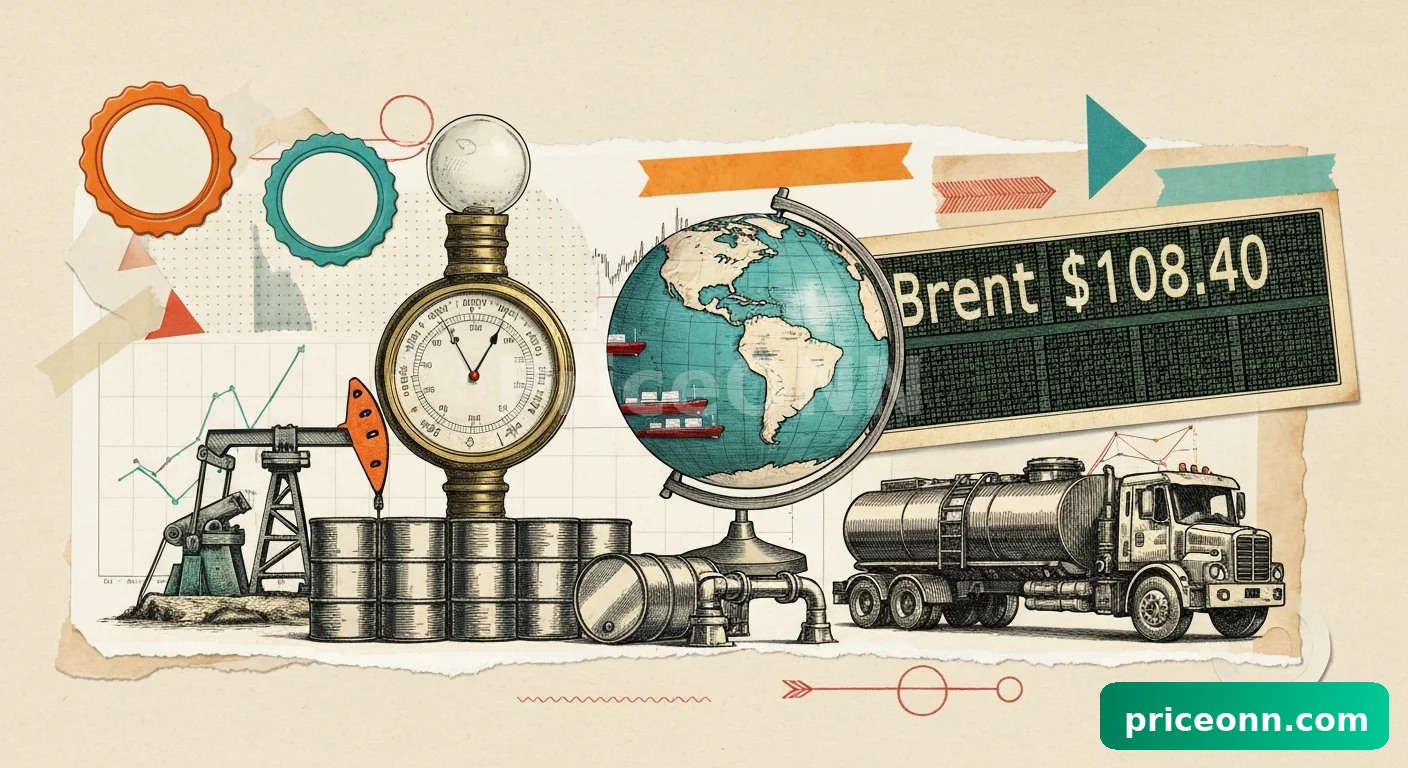
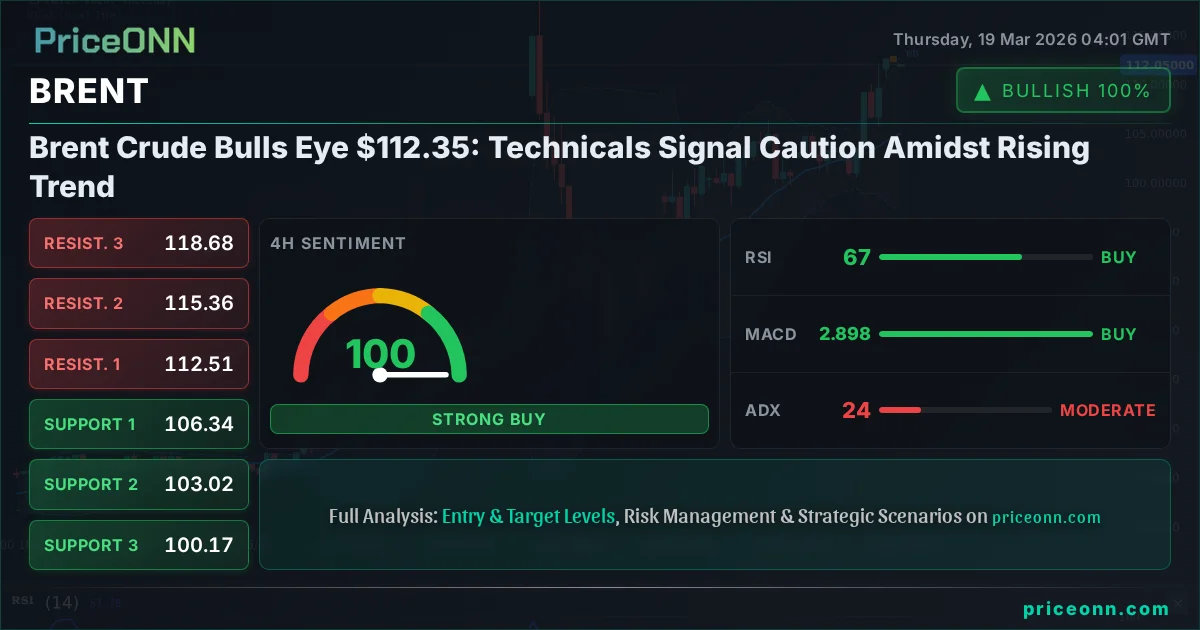
A dramatic escalation in Middle East hostilities sent oil prices soaring in Thursday's early Asian session. The conflict, now directly impacting energy supply routes, saw key infrastructure facilities become targets. At the time of this report, Brent crude had surged to $112.00, marking a substantial 4.27% increase. Simultaneously, the U.S. benchmark, West Texas Intermediate (WTI), climbed 2.73% to reach $98.95.
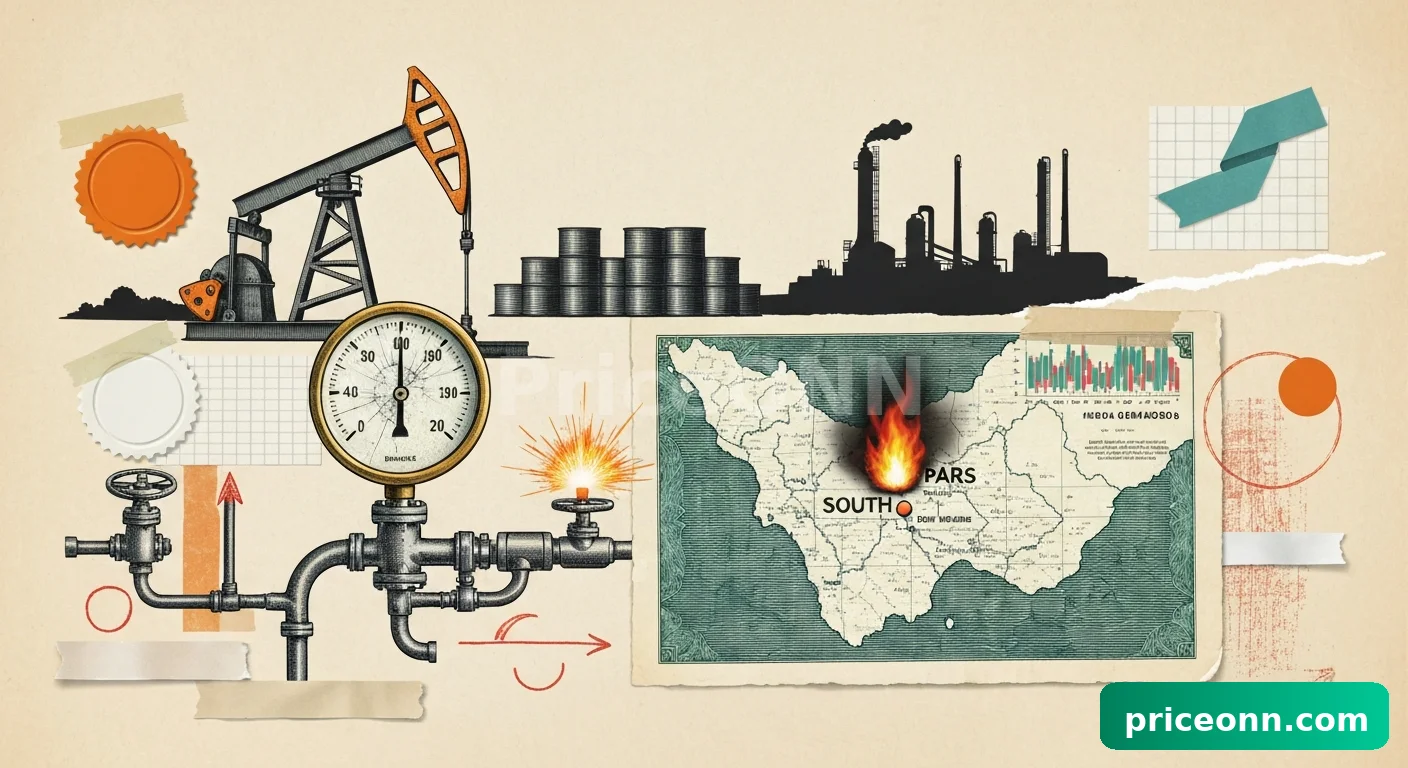
This latest price leap follows retaliatory actions by Iran, which reportedly struck energy assets throughout the region. These strikes were allegedly in response to earlier attacks on its South Pars gas field. Qatar has confirmed that Iranian missile barrages inflicted significant damage near the Ras Laffan industrial complex. This facility is critical, serving as the world's largest producer of liquefied natural gas and a linchpin for global gas supplies.
The ripple effect extended to the United Arab Emirates, where operations at the Habshan gas facility were halted subsequent to missile incidents. Reports indicate that debris from intercepted projectiles also impacted other vital energy infrastructure, including the Bab oil field. The scale of the attacks is extensive, with Saudi Arabia reporting that its air defenses successfully neutralized 19 drones and four missiles aimed at Riyadh and its Eastern Province.
Further south, Iran's campaign appears to be affecting Saudi Arabia, Kuwait, Iraq, and Bahrain. The intensity of these coordinated actions, coupled with prior evacuation advisories for regional energy hubs, points to a deliberate strategy. Iran seems intent on disrupting the Gulf's energy backbone, aiming to drive up prices and exert pressure on the United States, Israel, and their allies.
Adding to the security concerns, maritime traffic faces peril. The United Kingdom's maritime security authority has reported a vessel east of the Strait of Hormuz catching fire after being struck by an unidentified projectile. This incident underscores the broad threat to energy transit routes.
Reading Between the Lines
The strategic targeting of energy facilities is not merely a reactive measure; it's a calculated move designed to inflict maximum economic pain. By threatening the flow of oil and gas from a region that underpins global energy markets, Iran aims to leverage price volatility as a geopolitical weapon. The direct impact on key LNG hubs like Ras Laffan and oil fields in the UAE and Saudi Arabia demonstrates a sophisticated understanding of global energy dependencies.
The United States is reportedly considering a heightened military presence in the region, seeking to bolster security for maritime traffic, particularly through the critical Strait of Hormuz. This response highlights the delicate balance of power and the significant stakes involved in maintaining stable energy flows. With no immediate signs of de-escalation, the upward pressure on crude benchmarks is poised to persist, creating a challenging environment for global energy consumers and policymakers.
Market Ripple Effects
This dramatic uptick in oil prices has immediate implications beyond the energy sector. Traders and investors will be closely watching the knock-on effects across various asset classes.
Firstly, the US Dollar Index (DXY) could see renewed strength. As a safe-haven asset and given the US's potential military involvement, demand for the dollar might increase. Conversely, currencies of oil-importing nations, particularly in Europe and Asia, could face headwinds as the cost of energy imports rises.
Secondly, inflation expectations are likely to climb. Higher energy costs directly translate into increased transportation and production expenses for a wide array of goods and services. This could put pressure on central banks to maintain or even accelerate their hawkish monetary policy stances, impacting bond yields and equity markets.
Thirdly, equity markets, especially those sensitive to energy costs like airlines and manufacturing, may experience downward pressure. Conversely, energy stocks, particularly those with exploration and production assets in less affected regions, could see a boost. The geopolitical risk premium embedded in oil prices also lends support to commodities as an asset class, potentially drawing investment away from riskier assets.
Finally, the heightened tensions could indirectly affect cryptocurrency markets. While often uncorrelated, periods of extreme geopolitical uncertainty can lead to broad risk-off sentiment, impacting speculative assets like Bitcoin and Ethereum. Investors might shift capital towards perceived safer havens, away from digital assets.
Track markets in real-time
Empower your investment decisions with AI-powered analysis, technical indicators and real-time price data.
Join Our Telegram Channel
Get breaking market news, AI analysis and trading signals delivered instantly to your Telegram.
Join Channel