
Why Did Oil Prices Surge Today Amid Refinery Restart and Geopolitical Tensions?

Crude oil prices saw a significant upward movement today, driven by the restart of Saudi Arabia's Ras Tanura refinery, the nation's largest processing facility. The refinery, which has a capacity of 550,000 barrels per day, was temporarily halted on March 2 as a precautionary measure following a drone strike in the vicinity. This operational resumption is a critical development in stabilizing regional energy supplies amidst escalating geopolitical risks.
Market Context
The Ras Tanura refinery's shutdown had contributed to supply strains within the Middle East and the broader global market. The incident occurred as tensions escalated, with Iran retaliating against perceived U.S. and Israeli actions through attacks on energy infrastructure, including refineries, ports, and shipping in the Gulf region and the Strait of Hormuz. The closure of this key refinery, coupled with disruptions around the Strait of Hormuz-a vital chokepoint for approximately 20% of daily petroleum flows-had already led to widespread crude run reductions among Asian refiners. Major players like China's Sinopec reportedly slashed processing rates by 10%, while Japan's refiners reduced utilization rates to 69.1% from 77% in the preceding week, leading to a nearly 10% drop in gasoline stocks.
Analysis & Drivers
The restart of the Ras Tanura refinery signals a swift return to normalcy for Saudi Arabia's production capabilities, alleviating immediate supply concerns that had begun to ripple through global markets. However, the underlying geopolitical instability remains a significant factor. The initial drone attack, though seemingly contained, highlights the vulnerability of critical energy infrastructure in the region. Analysts note that while the refinery is back online, the threat of further disruptions due to regional conflicts continues to cast a shadow over oil prices. This uncertainty often prompts traders to price in a risk premium, contributing to price volatility. Furthermore, the broader debate surrounding energy economics, particularly the cost-competitiveness of renewables versus traditional fossil fuels, continues to evolve. While some argue that the high operational costs of aging fossil fuel plants, especially their fuel expenses, make renewables more economical in the long run, the immediate impact of supply disruptions from geopolitical events can quickly overshadow these long-term considerations. The cost comparison between new renewable installations and existing fossil fuel plants is complex, with the latter often having retired capital costs but substantial ongoing fuel expenses, which can sometimes exceed the generation cost of renewables.
Trader Implications
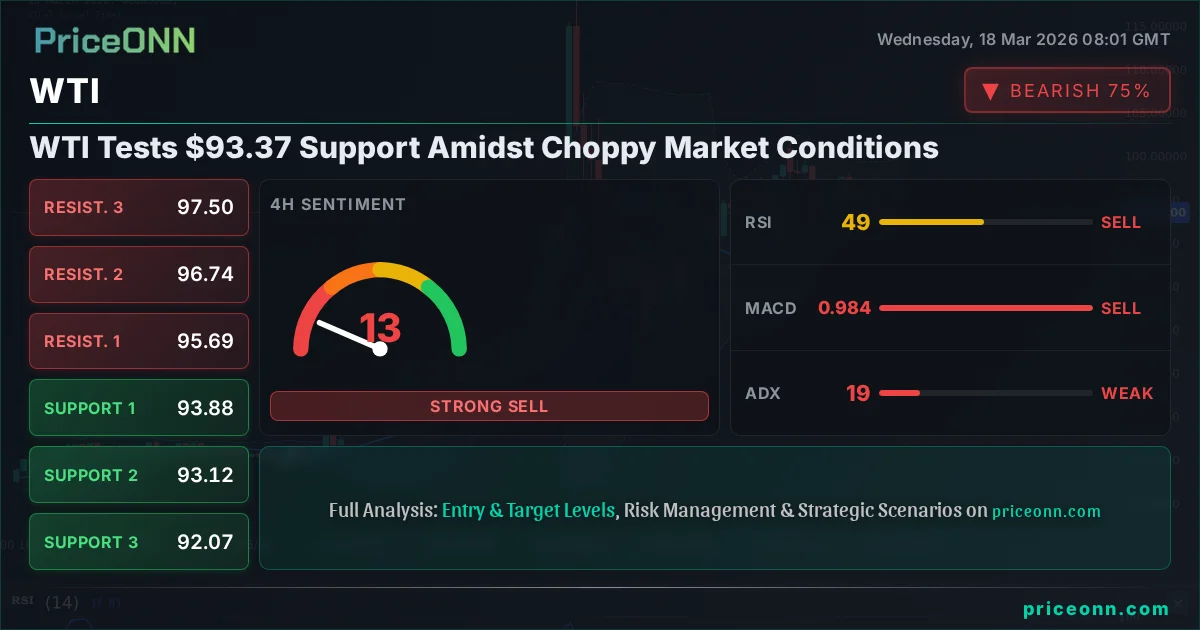
Traders should closely monitor developments in the Middle East for any signs of renewed conflict or infrastructure damage that could imperil oil supply routes. Key levels to watch include the $85 per barrel mark for Brent crude and $80 per barrel for WTI, which have served as significant psychological thresholds. The successful restart of Ras Tanura may provide temporary relief, but the potential for further geopolitical escalation means that upside risk for oil prices remains considerable. Market sentiment could shift rapidly on news of any new attacks or diplomatic breakthroughs. Investors should also consider the impact on refining margins, as the availability of crude directly influences the profitability of downstream operations. The recent disruptions have underscored the fragility of global refined product supply chains, making any sustained interruption a significant market-moving event.
Outlook
The immediate outlook for oil prices suggests continued sensitivity to geopolitical events in the Middle East. While the restart of the Ras Tanura refinery provides a degree of supply reassurance, the underlying tensions are far from resolved. Traders will be looking for confirmation of sustained operational stability and any further indications of escalating or de-escalating conflict. Upcoming economic data releases, particularly inflation figures and central bank policy signals from major consuming nations, will also play a role in shaping demand expectations. For now, the market appears to be pricing in a continued risk premium, suggesting that oil prices may remain elevated or susceptible to sharp upward swings should geopolitical risks re-emerge.
Frequently Asked Questions
What is the significance of the Ras Tanura refinery restart?
The restart of the 550,000 barrels per day Ras Tanura refinery is significant because it restores a substantial portion of Saudi Arabia's crude processing capacity, which was temporarily halted due to a drone strike. This helps alleviate concerns about regional supply disruptions and contributes to market stability.
How have recent geopolitical events affected oil prices?
Recent geopolitical events, including drone attacks on energy infrastructure and tensions in the Strait of Hormuz, have led to oil price volatility and a risk premium being priced into the market. The disruption to refining operations, such as the closure of Ras Tanura, has also impacted the availability of refined products, affecting prices globally.
What are the key price levels traders should watch for crude oil?
Traders should monitor key psychological levels such as $85 per barrel for Brent crude and $80 per barrel for WTI. These levels are critical indicators of market sentiment and potential price direction amidst ongoing geopolitical uncertainties and supply dynamics.
Track markets in real-time
Empower your investment decisions with AI-powered analysis, technical indicators and real-time price data.
Join Our Telegram Channel
Get breaking market news, AI analysis and trading signals delivered instantly to your Telegram.
Join Channel



PriceONN