
Middle East Tensions Spark Naphtha Shortage, Threatening Japanese Petrochemical Output
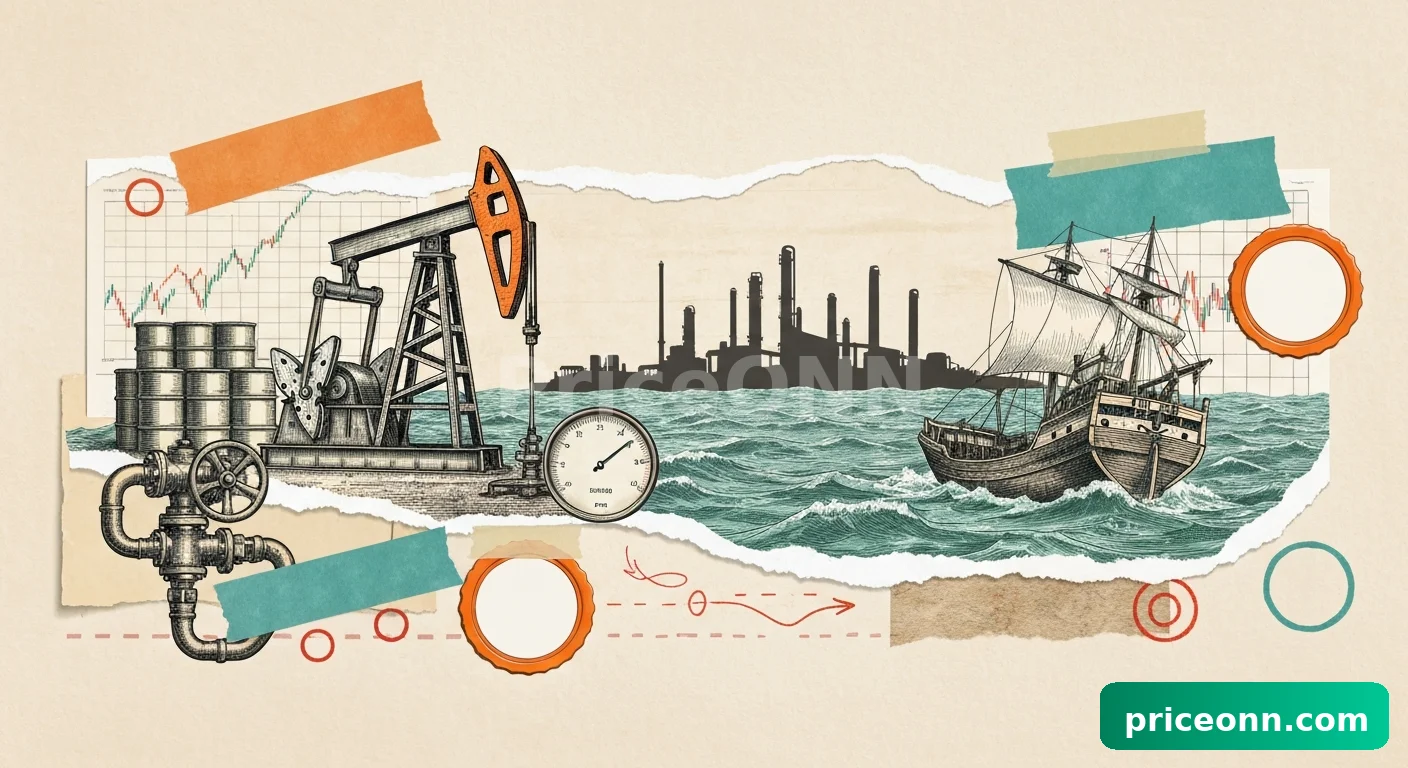
Escalating geopolitical tensions in the Middle East are creating significant ripple effects across global energy markets, with a particularly acute impact emerging in Asia's petrochemical sector. A critical shortage of naphtha, a key industrial feedstock, is now threatening to force Japanese petrochemical producers to scale back operations, potentially leading to a reduction in industrial natural gas demand.
Market Context
While Japan's liquefied natural gas (LNG) imports have thus far shown resilience against the Middle East supply shock, the downstream effects are becoming apparent. Major Japanese gas suppliers have expressed concerns that a slowdown in the petrochemical industry, driven by a scarcity of naphtha and other petroleum products, could directly impact their sales figures. Executives noted that customers relying on these products for manufacturing are beginning to contemplate production cuts.
The petrochemical industry in Asia is heavily dependent on feedstocks originating from the Persian Gulf, including naphtha, LPG, and methanol. The current hostilities have triggered a substantial supply disruption, with a significant portion of Asia's naphtha supply, estimated by industry analysts to be between 60% and 70%, transiting through the vital Strait of Hormuz. This strategic chokepoint makes the region highly vulnerable to any interference with shipping routes.
Analysis & Drivers
The primary driver behind the current naphtha squeeze is the heightened geopolitical risk in the Middle East, which has disrupted traditional supply chains. Companies in South Korea and Japan, key players in the global petrochemical landscape, typically operate with lean inventories of critical feedstocks like naphtha and LPG, often holding supplies sufficient for only a few weeks. The ongoing supply chain disruptions are rapidly depleting these reserves, pushing manufacturers towards difficult decisions regarding production levels.
Furthermore, the reliance on specific transit routes like the Strait of Hormuz amplifies the vulnerability. Any sustained interruption, whether due to direct conflict or precautionary rerouting by shipping companies, can lead to significant price volatility and physical shortages. This situation underscores the delicate balance of global energy supply and the outsized impact that regional instability can have on industries far removed from the conflict zone.
Trader Implications
Traders and investors in the energy and petrochemical sectors should closely monitor developments in the Middle East and their impact on key shipping lanes. The potential for reduced operating rates among Japanese and South Korean petrochemical producers could signal a broader slowdown in demand for certain refined products and feedstocks. Key levels to watch include the price of naphtha futures, which may see increased volatility, and the broader energy complex as supply concerns persist.
Attention should also be paid to the inventory levels reported by major industrial consumers and the strategic petroleum reserves held by nations. A prolonged shortage could lead to price increases for end products derived from petrochemicals, potentially impacting sectors ranging from plastics to textiles. For traders, this presents opportunities in hedging against price volatility and in identifying alternative supply sources or substitute materials where feasible. The immediate focus should be on the risk of production cuts, which could reduce demand for natural gas used in these industrial processes.
Outlook
The outlook for naphtha supply and Japanese petrochemical output remains uncertain, heavily contingent on the de-escalation of Middle East tensions and the normalization of shipping routes. Should disruptions persist, further production curtailments are likely, potentially leading to a noticeable decrease in industrial gas sales for Japanese suppliers. Market participants will be watching for any official statements from petrochemical giants and energy providers regarding operational adjustments and future feedstock procurement strategies.
Frequently Asked Questions
What is naphtha and why is it important for Japan's petrochemical industry?
Naphtha is a light petroleum distillate widely used as a feedstock in the petrochemical industry, particularly for producing olefins like ethylene and propylene, which are building blocks for plastics and other materials. Japan's petrochemical sector relies heavily on naphtha, with a significant portion of its supply historically sourced from the Middle East.
How much of Asia's naphtha supply transits through the Strait of Hormuz?
Industry analysts estimate that between 60% and 70% of Asia's naphtha supply transits through the Strait of Hormuz. This makes the region's supply chain extremely vulnerable to any disruptions in this critical maritime chokepoint.
What are the potential implications for natural gas sales in Japan?
Major Japanese gas suppliers have warned that if petrochemical plants are forced to curb output due to naphtha shortages, their sales of industrial natural gas could drop. This is because many petrochemical facilities use natural gas in their manufacturing processes alongside naphtha.
Track markets in real-time
Empower your investment decisions with AI-powered analysis, technical indicators and real-time price data.
Join Our Telegram Channel
Get breaking market news, AI analysis and trading signals delivered instantly to your Telegram.
Join Channel
PriceONN