
Middle East Tensions Spark Naphtha Shortage, Threatening Japanese Petrochemical Output
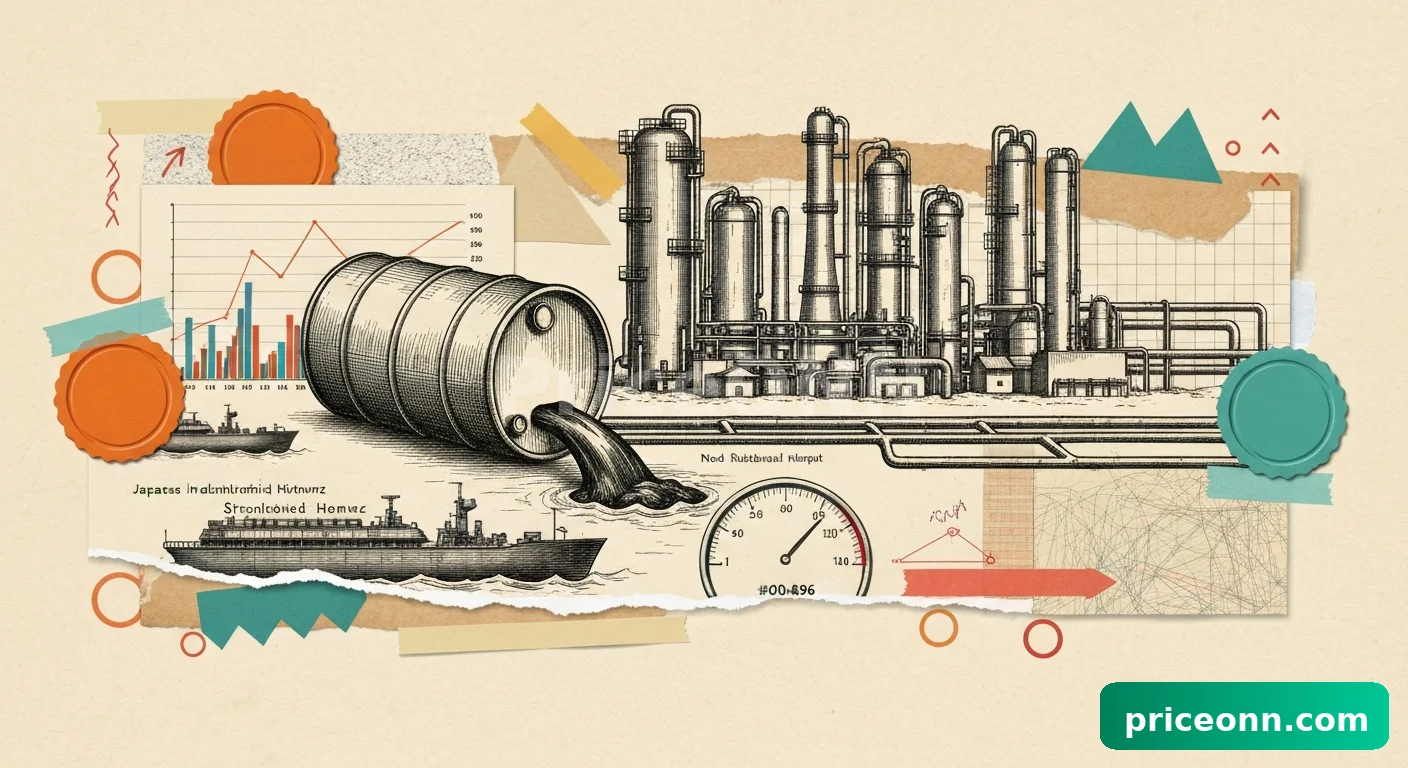
Middle East tensions are sending shockwaves through Asia's petrochemical supply chains, with a growing naphtha shortage now a significant concern for Japanese industrial producers. While the immediate impact on Japan's liquefied natural gas (LNG) imports appears limited, the scarcity of naphtha, a key feedstock, is prompting major Japanese gas suppliers to warn of potential drops in industrial gas sales.
Market Context
Executives from leading Japanese gas providers have indicated that any scaling back of operations by petrochemical plants due to constrained naphtha supplies could directly affect their sales figures. Shinichi Furukawa, president of Osaka Gas, noted on Wednesday that a reduction in activity by customers reliant on petroleum products for manufacturing would inevitably lead to decreased gas sales. This situation underscores the intricate link between global energy markets and industrial output, where disruptions in essential raw materials can trigger a cascade of economic consequences.
The Asian petrochemical sector's heavy dependence on feedstocks from the Persian Gulf, including naphtha, LPG, and methanol, makes it particularly vulnerable. Recent industry analysis suggests that a substantial portion of Asia's naphtha supply, estimated to be between 60% and 70%, passes through the critical Strait of Hormuz. This strategic waterway's susceptibility to disruption means that ongoing hostilities in the region pose a direct threat to consistent supply.
Analysis & Drivers
The primary driver behind the current naphtha crunch is the escalating geopolitical instability in the Middle East. Supply chain disruptions stemming from this conflict have created a significant shock, particularly impacting the flow of essential petrochemical feedstocks. Companies in key manufacturing hubs like South Korea and Japan typically operate with lean inventories, often stocking only enough naphtha and LPG for a few weeks of production.
These limited reserves are rapidly being depleted by the ongoing supply squeeze. Consequently, manufacturers are being compelled to consider or implement production cuts. Analysts are closely monitoring the duration of these supply interruptions, as prolonged blockades or shipping delays through the Strait of Hormuz could exacerbate the shortage, pushing naphtha prices higher and further pressuring petrochemical margins.
Trader Implications
Traders should be aware of the heightened volatility in naphtha and related petrochemical markets. The dependency on Middle Eastern supply and the critical role of the Strait of Hormuz represent significant risk factors. Key price levels to watch for naphtha will indicate the market's assessment of supply availability and geopolitical risk premiums.
For those involved in the energy and petrochemical sectors, monitoring inventory levels in Japan and South Korea will be crucial. A further drawdown could signal increased demand for alternative sourcing or prompt further price appreciation. Investors might consider companies with more diversified feedstock procurement strategies or those less exposed to the immediate Asian petrochemical market. The potential for reduced industrial gas demand also presents a risk for natural gas suppliers in the region.
Outlook
The outlook for Japanese petrochemical output remains uncertain, contingent on the resolution of Middle East tensions and the duration of supply chain disruptions. If the current naphtha shortage persists, further production curtailments are likely, potentially impacting downstream industries and energy demand. Traders should brace for continued price volatility in naphtha and related products as the market digests geopolitical developments and supply constraints.
Frequently Asked Questions
What is naphtha and why is it important for Japanese industry?
Naphtha is a key petroleum feedstock used in the production of plastics and other petrochemicals. Japanese petrochemical plants rely heavily on it, and its scarcity due to Middle East tensions is forcing production cut considerations.
How much of Asia's naphtha supply passes through the Strait of Hormuz?
Industry reports indicate that between 60% and 70% of Asia's naphtha supply transits through the Strait of Hormuz, making it a critical chokepoint vulnerable to geopolitical disruptions.
What are the potential impacts on natural gas markets?
If petrochemical plants reduce operations due to naphtha shortages, it could lead to a noticeable decrease in industrial natural gas sales for Japanese utility companies, impacting their revenue streams.
Track markets in real-time
Empower your investment decisions with AI-powered analysis, technical indicators and real-time price data.
Join Our Telegram Channel
Get breaking market news, AI analysis and trading signals delivered instantly to your Telegram.
Join Channel
PriceONN