
Why Did Oil Prices Tumble 5% on US-Iran Ceasefire Hopes?
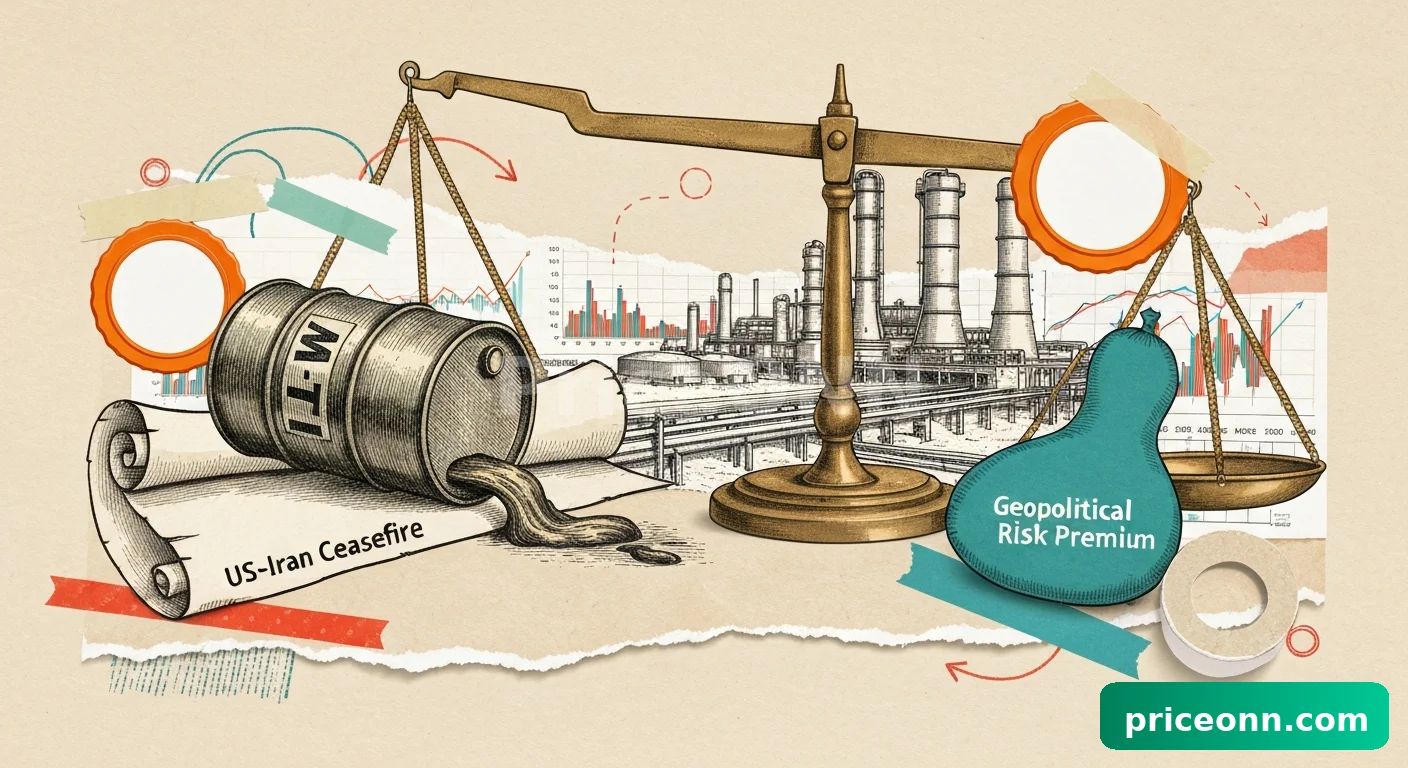
Oil prices experienced a significant downturn in early Asian trading on Wednesday, with both West Texas Intermediate (WTI) and Brent crude benchmarks shedding over 5% of their value. This dramatic reversal follows a period of heightened volatility where prices had previously surged due to escalating geopolitical tensions.
Market Context: A Sudden Shift in Sentiment
At the time of reporting, WTI was trading at $87.51, down 5.24%, while Brent crude had fallen below the psychologically important $100 mark to $98.03, a 6.08% decline. This sharp selloff was primarily driven by emerging signs of de-escalation in the Middle East. Reports indicated that the United States had presented a potential framework for peace to Iran, sparking hopes for a temporary cessation of hostilities. This development directly countered the anxieties that had previously propelled oil prices higher.
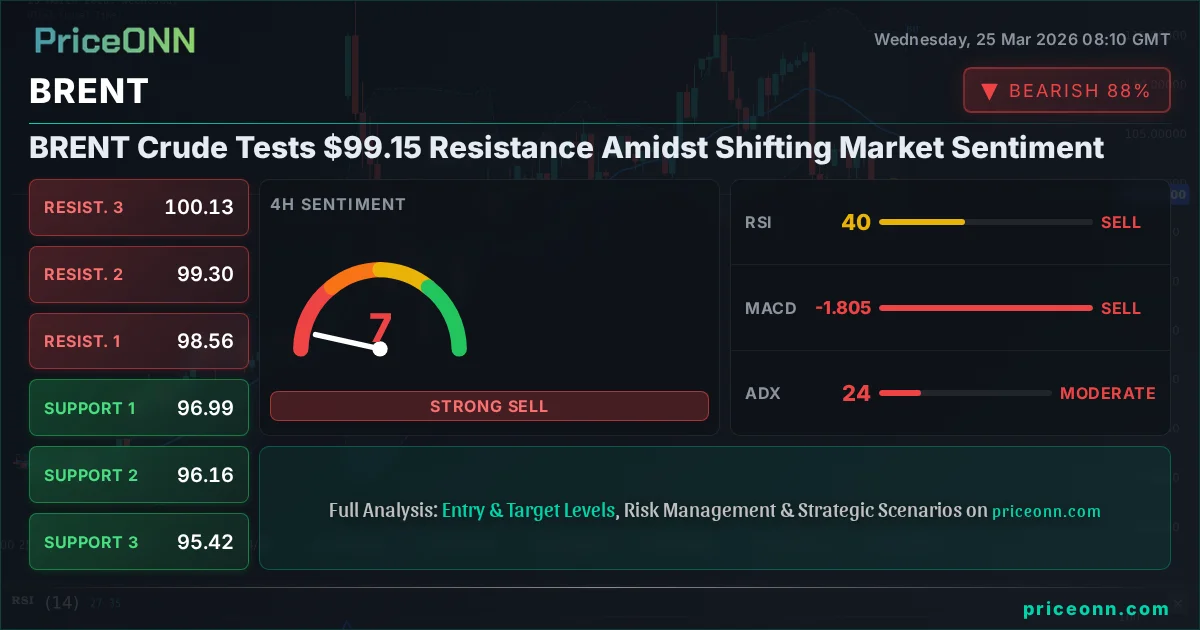
Further easing concerns in a critical global chokepoint, Iran communicated through official channels to the International Maritime Organization that “non-hostile vessels” could continue to navigate the Strait of Hormuz, provided they coordinate with Iranian authorities. Adding to the sentiment, President Trump commented on the progress of negotiations, suggesting that Iran was “talking sense” and that a potential 15-point settlement proposal could form the basis for a one-month ceasefire. However, it is important to note that Iranian officials have publicly refuted claims of direct talks occurring, adding a layer of uncertainty to the optimistic narrative.
Analysis & Drivers: Geopolitics and Inventory Data
The primary catalyst for the oil price slump was the shift in geopolitical sentiment. The prospect of a de-escalation in the Middle East, particularly concerning Iran, significantly reduced the risk premium that had been built into oil prices. This perceived reduction in supply disruption risk allowed market participants to reassess valuations.
Compounding the bearish pressure, especially for the WTI benchmark, was the release of inventory data from the American Petroleum Institute (API). The report indicated an unexpected build in both crude oil and gasoline inventories in the United States. This data suggests a potential loosening of supply-demand dynamics within the world's largest oil consumer, further weighing on prices.
Historically, WTI is a high-quality, light, and sweet crude oil sourced in the United States. Its price is sensitive to global economic growth, political instability, OPEC decisions, the value of the US Dollar, and crucially, weekly inventory reports from the API and EIA. A build in inventories typically signals increased supply or decreased demand, putting downward pressure on prices.
Trader Implications: Watching Key Levels and Statements
Traders should closely monitor statements from both US and Iranian officials for any further clarification or backtracking on the ceasefire optimism. Any renewed escalation of tensions could quickly reverse the current trend and send oil prices soaring again. The $100 level for Brent crude remains a key psychological barrier, and its breach below this point could signal further downside potential if the positive sentiment persists.
For WTI, the $87.51 level now represents resistance, with immediate support likely found around the $85-$86 range. Traders should also be attentive to upcoming EIA inventory data, which could either confirm or contradict the API's build, providing further direction.
The interplay between geopolitical developments and fundamental supply data will be crucial. A sustained period of de-escalation coupled with rising inventories could lead to a more prolonged price correction. Conversely, any disruption to Iranian maritime passage or a breakdown in diplomatic efforts would likely reignite bullish sentiment.
Outlook: Cautious Optimism and Data Dependency
The immediate outlook for oil prices remains cautious, heavily dependent on the evolution of US-Iran relations and upcoming economic data. While the ceasefire optimism has provided a significant short-term reprieve, the market remains sensitive to geopolitical shifts. Investors and traders will be looking for concrete evidence of a lasting peace or renewed conflict. The significant central bank accumulation of gold, as seen with 1,136 tonnes purchased in 2022 valued at $70 billion, highlights a broader trend of seeking stability amid global uncertainty, a sentiment that could also influence demand for other safe-haven assets and commodities.
Frequently Asked Questions
What caused the sharp drop in oil prices on Wednesday?
Oil prices tumbled over 5% due to growing optimism surrounding a potential US-Iran ceasefire. This de-escalation reduced the geopolitical risk premium, while an unexpected build in US crude inventories further pressured prices.
What are the key price levels traders should watch for WTI and Brent crude?
Traders should watch for Brent crude to hold below the $100 level, with $98.03 as the immediate price point. For WTI, $87.51 is now a resistance level, with potential support around $85-$86.
How do US-Iran relations impact the oil market going forward?
Renewed tensions or conflict involving Iran, a major oil producer, could quickly disrupt supply routes like the Strait of Hormuz, leading to a sharp price increase. Conversely, sustained diplomatic progress could lead to lower oil prices as risk premiums diminish.
Track markets in real-time
Empower your investment decisions with AI-powered analysis, technical indicators and real-time price data.
Join Our Telegram Channel
Get breaking market news, AI analysis and trading signals delivered instantly to your Telegram.
Join Channel



PriceONN