Oil Prices Soar as Middle East Conflict Triggers Record Supply Disruption
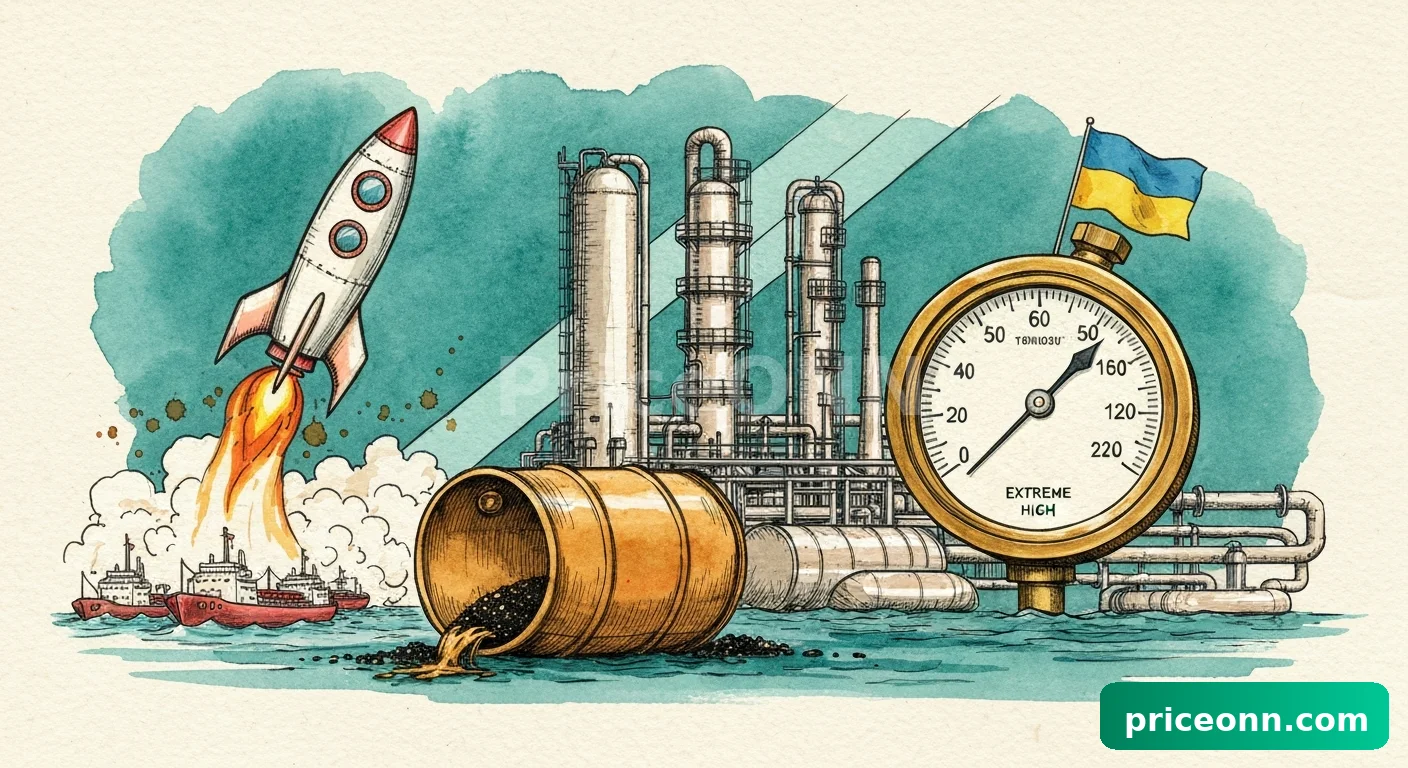
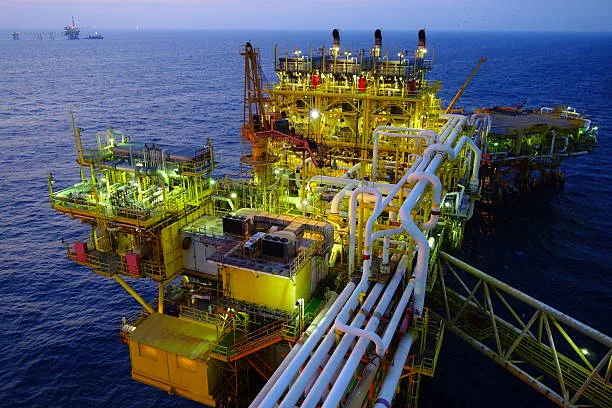
Oil markets are in turmoil as escalating geopolitical tensions trigger unprecedented supply disruptions. The International Energy Agency (IEA) reports that flows through the Strait of Hormuz have plummeted, creating the largest supply shock in the history of the oil market. This disruption, coupled with ongoing Ukrainian attacks on Russian energy infrastructure, has sent Brent crude futures soaring above $95 a barrel.
Market Context
The energy market is facing a confluence of crises. The Strait of Hormuz, a critical chokepoint for global oil transit, has seen its traffic reduced to a trickle due to escalating conflict in the Middle East. Approximately 20 million barrels per day (bpd) of crude and refined products typically transit this waterway. Gulf nations, struggling with limited rerouting options and filling storage facilities, have already cut combined oil production by at least 10 million bpd, according to the IEA. Simultaneously, Ukraine has intensified its attacks on Russian energy infrastructure, targeting key oil export pipelines and terminals. A recent drone strike hit a major oil pipeline hub in the Krasnodar region, causing a significant fire and raising concerns about disruptions to Russian oil flows from Black Sea ports. These attacks are impacting a crucial transshipment and pumping station that feeds crude oil to key ports like Novorossiysk and Tuapse.
Analysis & Drivers
Several factors are contributing to the current energy market volatility. The primary driver is the heightened geopolitical risk in the Middle East. Any disruption, military or proxy activities, or even perceived threats can destabilize markets and trigger dramatic price spikes within hours. The UAE, particularly Abu Dhabi, has emerged as a strategically important pillar of energy security, pursuing a dual-energy model that combines hydrocarbon reliability with large-scale investment in the energy transition. However, even the UAE's efforts are insufficient to fully offset the impact of a major supply disruption in the Strait of Hormuz. The Ukrainian attacks on Russian energy infrastructure are further exacerbating supply concerns. These attacks are not only disrupting Russian oil flows but also putting pressure on Russia's oil export revenues, which are already impacted by substantial discounts on Russian crude oil relative to global benchmarks. Market data indicates that these attacks are contributing to a tightening of global oil supplies and a corresponding increase in prices.
Trader Implications
Traders should closely monitor geopolitical developments in the Middle East and the Black Sea region. Key levels to watch for Brent crude are $90 as support and $100 as resistance. A break above $100 could signal further upside potential, while a drop below $90 could lead to a correction. Traders should also pay attention to inventory data, as declining inventories could signal further tightening of supplies and upward pressure on prices. Consider the following:
- Geopolitical Risk: Stay informed about developments in the Middle East and Ukraine.
- Key Levels: Watch $90 and $100 for Brent crude.
- Inventory Data: Monitor weekly inventory reports for supply signals.
- Volatility: Expect increased price swings due to uncertainty.
Given the current environment, traders may consider:
- Taking profits on existing short positions.
- Initiating long positions with tight stop-loss orders.
- Hedging against potential price spikes using options.
Outlook
The outlook for oil prices remains highly uncertain. The IEA has initiated a coordinated emergency release of oil stocks, drawing 400 million barrels from global reserves. However, this is only a temporary measure. The ultimate trajectory of oil prices will depend on the duration of the shipping disruptions through the Strait of Hormuz and the extent of further attacks on Russian energy infrastructure. Market sentiment is likely to remain bullish in the near term, with traders pricing in a significant risk premium due to the ongoing geopolitical tensions. Upcoming OPEC+ meetings will be closely watched for any signals of further production adjustments. If supply disruptions persist, oil prices could test new highs in the coming weeks.
Track markets in real-time
Empower your investment decisions with AI-powered analysis, technical indicators and real-time price data.
Join Our Telegram Channel
Get breaking market news, AI analysis and trading signals delivered instantly to your Telegram.
Join Channel