Oil Prices Surge 16% as Middle East Conflict Disrupts Supply

Oil Market Roiled by Middle East Conflict
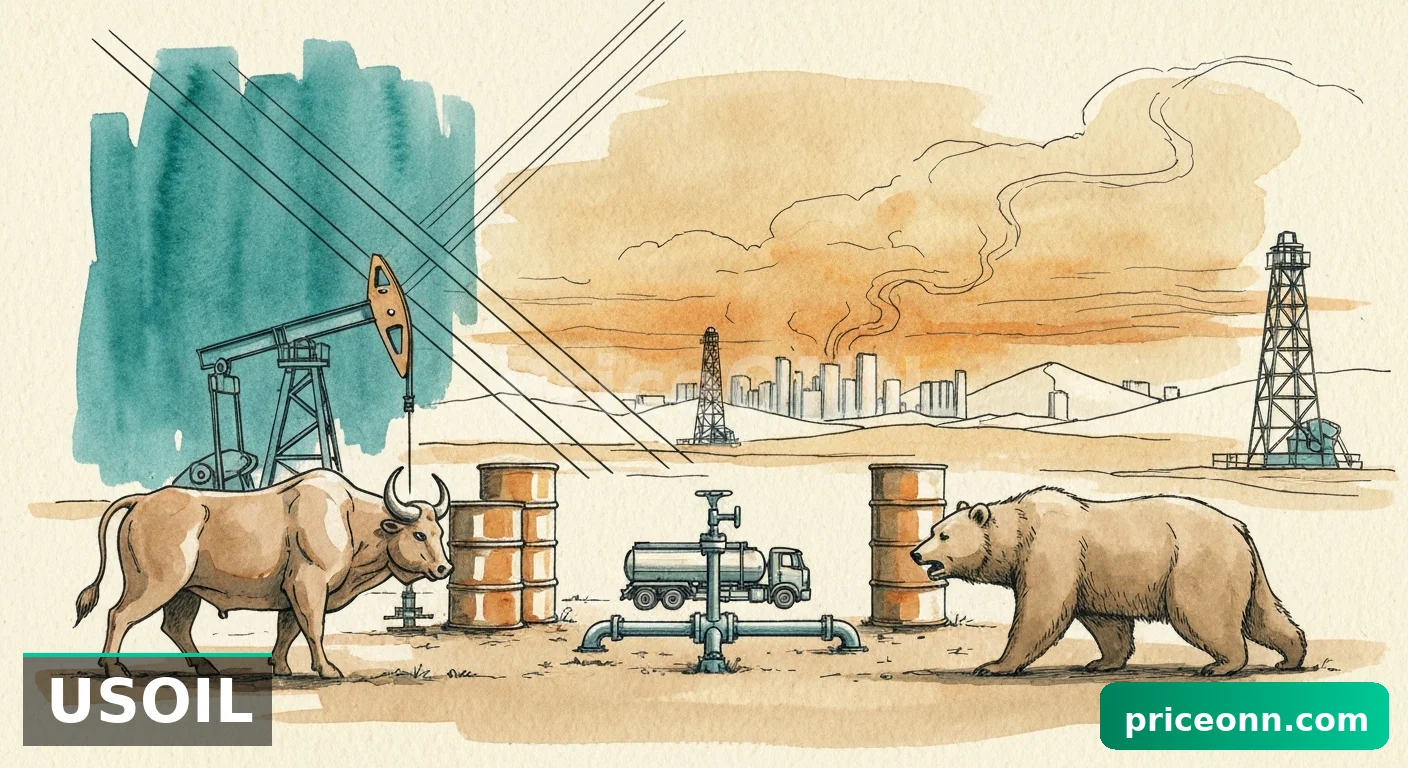
Crude oil markets are experiencing significant volatility as geopolitical tensions in the Middle East escalate. Brent crude, a global benchmark, surged to over $85 per barrel this week, marking a substantial increase from approximately $70 before the conflict began on February 28. This 16% weekly gain reflects growing concerns about supply disruptions stemming from the Strait of Hormuz.
West Texas Intermediate (WTI) also saw a rise, trading around $79.94 per barrel. The disruption in tanker traffic has raised fears of potential production cuts from Middle Eastern oil producers due to limited storage capacity. Iraq has reportedly already cut production by about 1.5 million barrels daily, and Kuwait could be next if the situation doesn't normalize within two weeks.
Ecopetrol Weighs Production Increase
Colombia's state-controlled oil company, Ecopetrol, is considering increasing its capital spending and boosting oil output in response to the higher price environment. CEO Ricardo Roa indicated the company is closely monitoring market developments and may adjust its capital expenditure plans to capitalize on the increased prices. Ecopetrol's current capital expenditure budget ranges from $5.4 billion to $6.7 billion for 2026, with a focus on exploration and production. The company had previously projected 2026 output of 730,000 to 740,000 barrels of oil equivalent per day, a figure based on a Brent price of $60. The potential production increase could offer some relief to strained global supplies.
Broader Economic Implications: Food Prices at Risk
The conflict's impact extends beyond the oil market. Disruptions to natural gas supplies from the Middle East could trigger a rise in food prices. The region is a major exporter of nitrogen fertilizer, which relies on natural gas as a key input. Approximately half of global food production depends on synthetic nitrogen. Restrictions to shipping through the Strait of Hormuz could therefore affect global food production.
The U.S. Treasury Department's decision to issue sanction waivers allowing commodity trading companies to sell Russian oil sitting on tankers (approximately 9.5 million barrels to India) may provide some temporary relief. However, analysts at ING suggest that this measure is not a "game-changer" and that a sustained reduction in prices requires the resumption of normal oil flows through the Strait of Hormuz.
For traders and investors, this environment presents both opportunities and risks. The increased volatility calls for careful risk management and a focus on geopolitical developments. Energy companies with the capacity to increase production may benefit, while consumers could face higher energy and food costs.
Key Takeaways
- Brent crude oil prices have surged above $85 per barrel due to Middle East tensions.
- Ecopetrol is considering increasing production in response to higher prices.
- Disruptions to natural gas supplies could lead to higher food prices.
- U.S. sanction waivers on Russian oil may offer limited relief.
Track markets in real-time
Empower your investment decisions with AI-powered analysis, technical indicators and real-time price data.
Join Our Telegram Channel
Get breaking market news, AI analysis and trading signals delivered instantly to your Telegram.
Join Channel