
Oil Prices Surge Over 3% as Hormuz Passage Continues Amid Heightened US-Iran Tensions

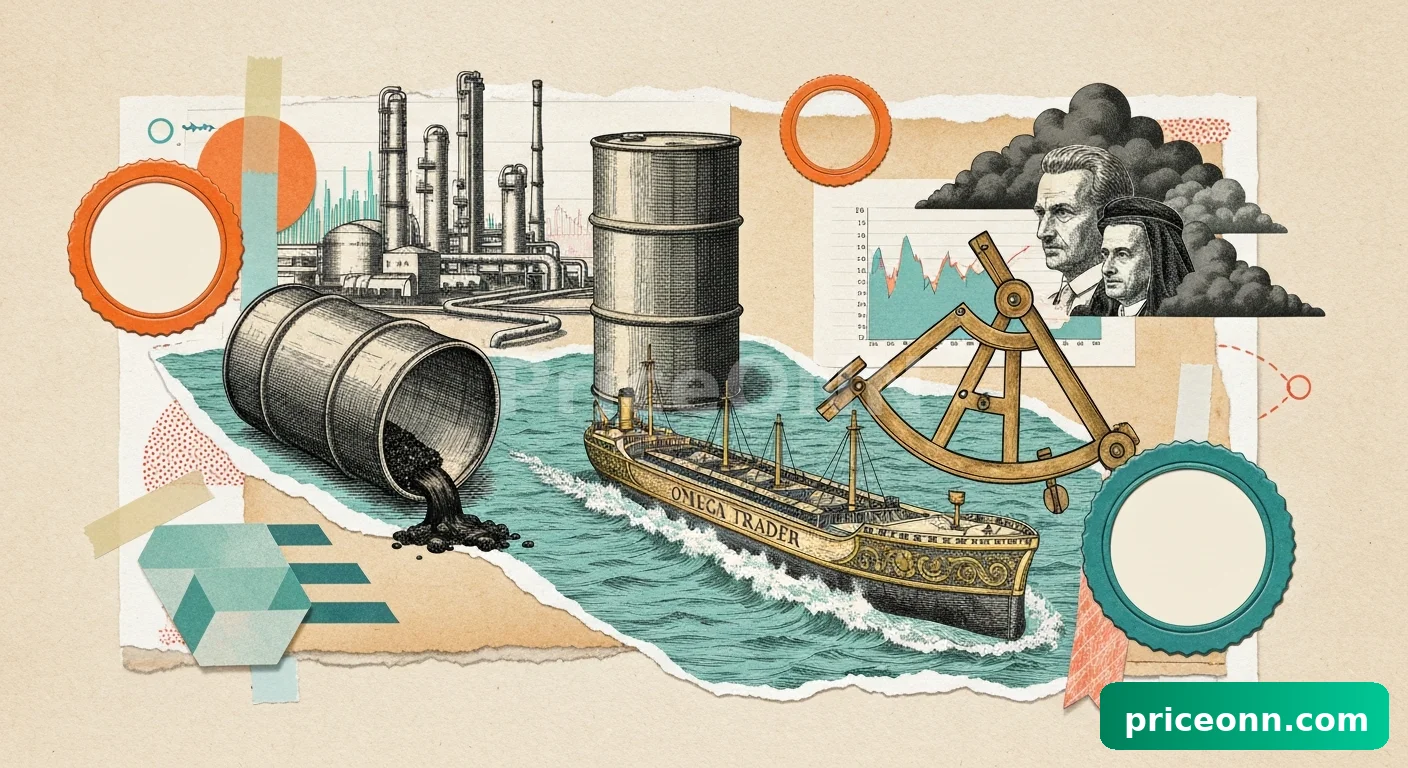
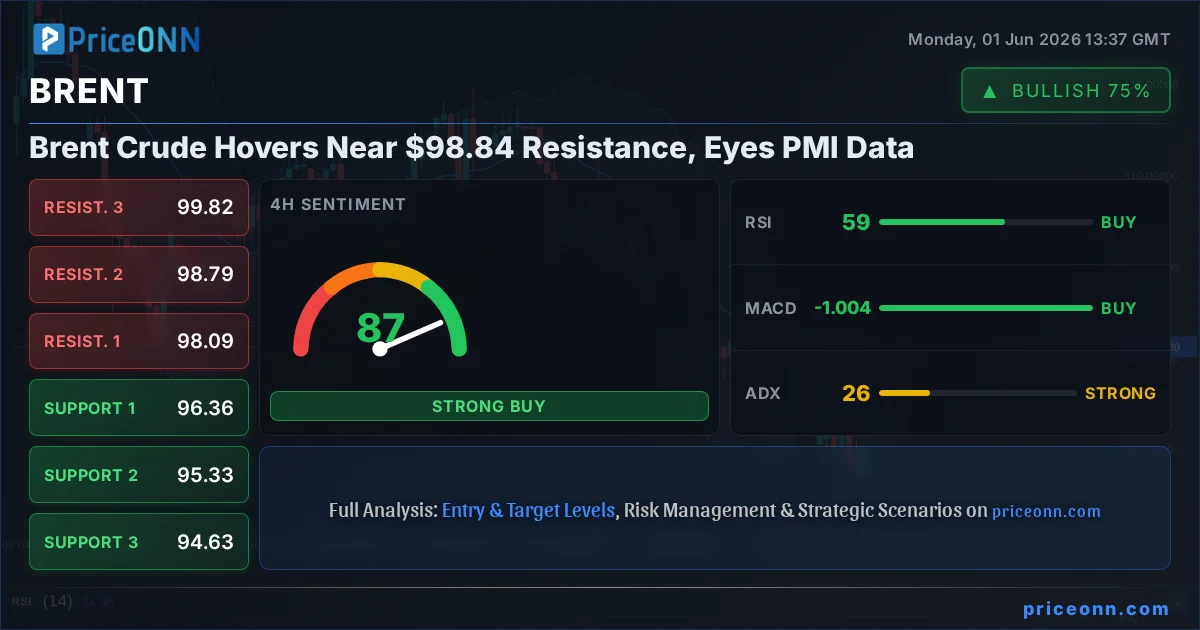
Global oil prices staged a notable recovery, reversing recent declines as geopolitical tensions between the United States and Iran continued to simmer. Benchmark Brent crude futures surged over 2 percent to trade at $98.25 a barrel, while West Texas Intermediate (WTI) crude futures saw an even sharper increase of 3.4 percent, reaching $91.09 per barrel.
Market Context
The upward price movement reflects persistent market anxieties surrounding potential supply disruptions originating from the Middle East. Despite reports of the U.S. President delaying potential strikes on Iran's energy infrastructure for a five-day period, the underlying geopolitical climate remains highly volatile. Market data shows that explosions were reportedly heard in Tehran and other Iranian cities, and Iran's Parliament Speaker Mohammad Bagher Ghalibaf publicly dismissed notions of negotiation, suggesting U.S. rhetoric was aimed at manipulating financial markets. Iran's foreign ministry characterized U.S. statements as a tactic to artificially depress energy prices. The ongoing friction has now entered its 25th day, with regional players like Saudi Arabia and the United Arab Emirates reportedly considering involvement, further complicating the situation.
Adding a layer of complexity to the supply narrative, a significant shipment of 2 million barrels of Iraqi crude oil successfully transited the Strait of Hormuz. The vessel, the Omega Trader, marks the first tanker to export Iraqi crude since Iran imposed significant restrictions on passage. Ship-tracking data indicates the tanker has since arrived in India, a key destination for oil that has been permitted through the strait. Industry reports suggest that maritime traffic in the Hormuz Strait remains under stringent management, with only a limited number of vessels observed with active Automatic Identification System (AIS) signals in the past week. This suggests a highly controlled, permission-based transit system rather than an outright closure.
Analysis & Drivers
The primary driver for the oil price rebound is the unresolved geopolitical standoff between the U.S. and Iran. While direct military action has been temporarily deferred, the threat of escalation continues to cast a long shadow over global oil supply. Iran's stance, as articulated by its officials, points to a strategic use of its influence over the Strait of Hormuz to counter perceived U.S. economic and military objectives. The selective transit of oil through the strait, with cargoes reportedly destined for China and India, highlights Iran's ability to manage and direct energy flows, creating uncertainty for other market participants.
Furthermore, the potential involvement of other regional powers like Saudi Arabia and the UAE could significantly alter the geopolitical calculus, potentially leading to broader regional instability and further impacting crude oil production and distribution. The 'fluid' and 'diplomatically sensitive' nature of the situation, as described by White House officials, underscores the unpredictability that traders and investors must navigate. The reappearance of 'zombie tankers,' vessels disguised as decommissioned ships, also points to the lengths some entities are going to circumvent restrictions and maintain oil flows, adding another layer of opacity to the market.
Trader Implications
Traders should closely monitor any developments in U.S.-Iran diplomatic communications and potential retaliatory actions. Key price levels to watch for Brent crude are the immediate resistance at $98.25 and potential support around the $90-$91 mark for WTI. The ongoing transit of oil through the Strait of Hormuz, even under managed conditions, provides a degree of supply reassurance, but any disruption to this flow could trigger sharp price increases. Geopolitical risk premiums are likely to remain elevated as long as tensions persist.
Given the volatility, a cautious approach is advised. Traders might consider strategies that benefit from price swings, such as options trading, while being mindful of the substantial downside risk associated with a sudden de-escalation or an unexpected escalation. Monitoring statements from OPEC+ members regarding production levels will also be crucial, as any indication of increased output could help to offset supply concerns stemming from the Middle East.
Outlook
The outlook for oil prices remains heavily dependent on the trajectory of U.S.-Iran relations. While the immediate threat of strikes has receded, the underlying tensions are far from resolved. Market sentiment could shift rapidly based on new intelligence or diplomatic pronouncements. The successful, albeit managed, passage of crude through the Strait of Hormuz may offer some temporary relief, but the potential for future disruptions keeps a floor under prices. Traders will be looking for clear signals of de-escalation or further confirmation of regional military involvement in the coming days.
Frequently Asked Questions
What is the current price of Brent crude oil?
As of the latest market data, Brent crude futures have surged over 2 percent to trade at $98.25 a barrel, reflecting increased geopolitical risk.
How much Iraqi crude passed through the Strait of Hormuz?
A total of 2 million barrels of Iraqi crude oil successfully transited the Strait of Hormuz on the vessel Omega Trader, marking a significant event amidst restricted passage.
What is the main factor influencing oil prices currently?
The primary factor influencing oil prices is the ongoing geopolitical tension between the U.S. and Iran, which continues to create uncertainty regarding global oil supply and has led to a heightened risk premium.
Track markets in real-time
Empower your investment decisions with AI-powered analysis, technical indicators and real-time price data.
Join Our Telegram Channel
Get breaking market news, AI analysis and trading signals delivered instantly to your Telegram.
Join Channel PriceONN News
Crude oil futures experienced a dramatic reversal, soaring overnight to $92.52 before plummeting nearly 6% to $89 a barrel. This volatility was driven by escalating US-Iran tensions followed by reports of a potential preliminary diplomatic understanding.
PriceONN News
Crude oil benchmarks experienced a sharp decline of over 5% this week, driven by renewed optimism surrounding U.S.-Iran peace talks and a potential easing of Middle East tensions. Both Brent and WTI futures saw significant drops as market sentiment shifted towards de-escalation.
PriceONN News
(RTTNews) - Oil prices were little changed on Thursday, after having fallen over 5 percent in the previous session amid optimism over a possible easing of Middle East tensions. Brent crude futures for July delivery were down 0.3 percent at $104.72 a barrel while WTI crude futures
PriceONN News
Crude oil prices experienced a significant drop, with WTI futures falling over 1.8% to $87.25, as optimism grew for a U.S.-Iran deal potentially reopening the Strait of Hormuz.
PriceONN News
(RTTNews) - Crude oil prices have tumbled on Friday as expectations of the U.S. and Iran signing a Memorandum of Understanding run high. The MoU would allow for immediate reopening of the Strait of Hormuz and pave the way for the resumption of oil and energy trade.
PriceONN News
Crude oil futures experienced a dramatic intraday reversal on Thursday, soaring overnight on geopolitical fears only to pull back significantly as reports of a potential diplomatic understanding between the U.S. and Iran emerged.
PriceONN News
Crude oil futures experienced a dramatic intraday reversal, soaring to $92.52 before pulling back significantly on Thursday. The volatile session was driven by shifting geopolitical narratives and U.S. inventory data.
PriceONN News
Brent crude prices surged towards the mid-$90s amid fears of supply disruptions from Middle East tensions, only to pare gains later as whispers of a potential US-Iran diplomatic understanding emerged.
PriceONN News
(RTTNews) - Crude oil futures skyrocketed overnight but have shown a significant pullback over the course of the trading day on Thursday.
PriceONN News
Global oil prices are treading water after a significant 5% slump, as market sentiment grapples with cautious optimism over Middle East de-escalation efforts versus lingering geopolitical uncertainties. Brent crude hovers near $104.72 and WTI near $98.07.
PriceONN News
WTI Crude Oil futures experienced a sharp decline of over 5.6%, falling to $98.26 per barrel as diplomatic efforts between the U.S. and Iran gained significant momentum, easing supply disruption fears.
PriceONN News
Crude oil prices experienced a sharp decline, with WTI futures for July delivery falling 5.66% to $98.26. This drop is largely attributed to renewed diplomatic efforts aimed at de-escalating the U.S.-Iran conflict and easing tensions around the Strait of Hormuz.