Oil Prices Waver as U.S. Eases Russian Crude Restrictions Amidst Hormuz Tensions
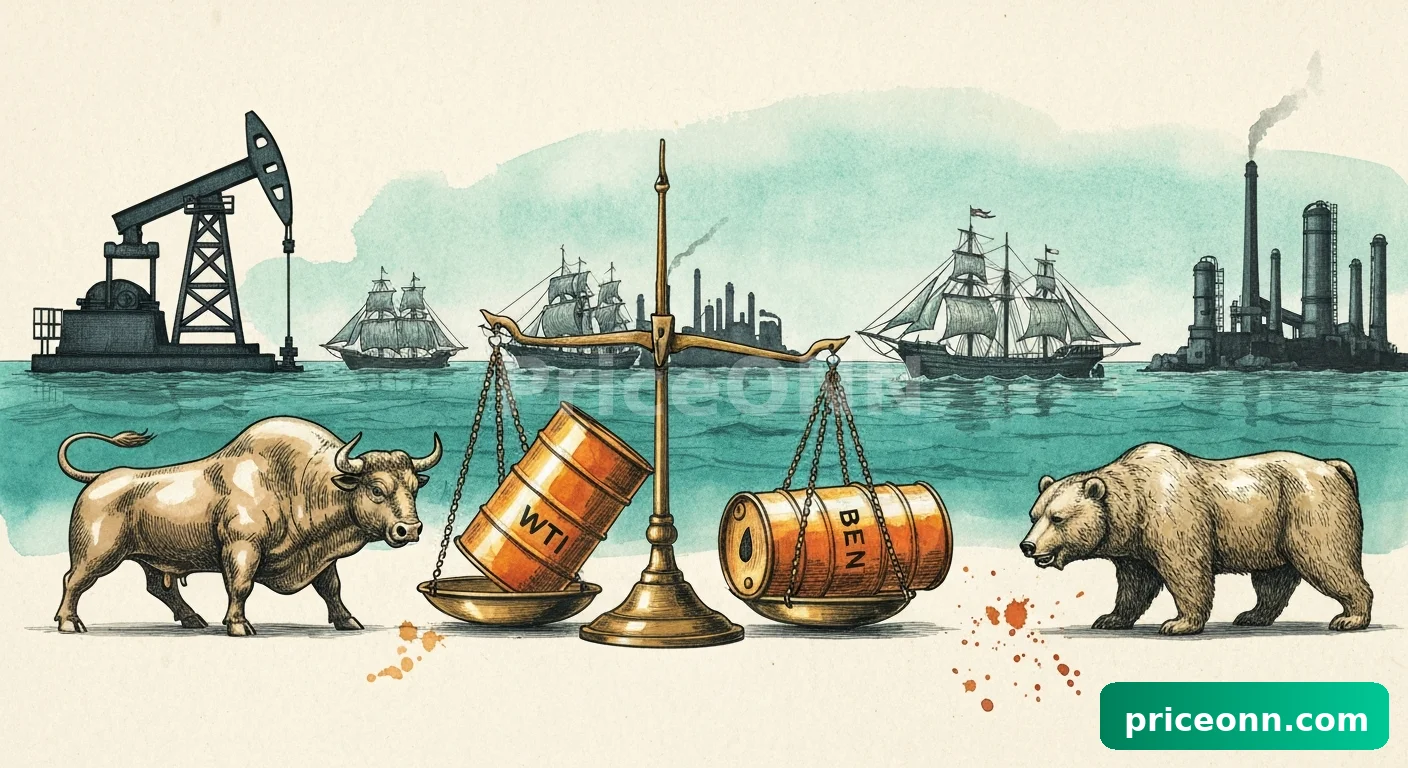
Oil prices are showing volatility, with Brent crude trading near $100 a barrel and West Texas Intermediate (WTI) hovering around $95, as markets digest conflicting signals of supply chain relief and persistent geopolitical tensions.
Market Context
Crude prices initially softened following the U.S. decision to issue a temporary license allowing the purchase of Russian crude oil and petroleum products that were stranded at sea. This move was intended to provide short-term relief to global oil markets facing significant disruption. Brent crude futures saw a slight decrease of 0.38%, settling at $100.10 per barrel, while WTI futures experienced a more pronounced drop of 0.58%, reaching $95.17 per barrel. However, prices remain elevated due to ongoing concerns about supply disruptions stemming from heightened tensions in the Middle East, particularly around the Strait of Hormuz.
Analysis & Drivers
The U.S. Treasury Secretary indicated that the 30-day waiver for Russian oil purchases is aimed at addressing shipments already en route and will not significantly benefit the Russian government. This measure comes as the U.S. and its allies are working to mitigate what is described as the most substantial oil supply disruption in decades. Earlier in the week, the U.S. Energy Department announced plans to release 172 million barrels from the Strategic Petroleum Reserve (SPR). This action is in coordination with the International Energy Agency, which has committed to releasing a record 400 million barrels from strategic reserves globally. However, these releases have had a limited impact as concerns over prolonged supply disruptions, especially attacks on vessels near the Strait of Hormuz, continue to dominate market sentiment. Adding to the complexity, operations at the Fujairah Oil Tanker Terminal (FOTT) in the UAE are gradually returning to normal after a recent drone attack that disrupted loading activities.
Trader Implications
Traders should closely monitor the following factors:
- Geopolitical Risks: Escalating tensions in the Middle East, particularly around the Strait of Hormuz, pose a significant threat to oil supplies and could lead to further price spikes.
- SPR Releases: The effectiveness of strategic petroleum reserve releases in stabilizing prices will be crucial. Traders should assess whether these releases are sufficient to offset supply disruptions.
- OPEC+ Decisions: Any decisions by OPEC+ regarding production quotas will have a significant impact on oil prices.
- Inventory Reports: Weekly oil inventory reports from the American Petroleum Institute (API) and the Energy Information Agency (EIA) provide valuable insights into supply and demand dynamics.
Key price levels to watch include resistance at $102 for Brent and $98 for WTI. Support levels lie around $98 and $93, respectively. A break above resistance could signal further upside, while a drop below support could indicate a deeper correction.
Outlook
The near-term outlook for oil prices remains highly uncertain. While the temporary easing of restrictions on Russian crude may provide some temporary relief, ongoing geopolitical tensions and potential supply disruptions are likely to keep prices elevated. Traders should remain vigilant and closely monitor developments in the Middle East and any further policy responses from major oil-producing nations.
Track markets in real-time
Empower your investment decisions with AI-powered analysis, technical indicators and real-time price data.
Join Our Telegram Channel
Get breaking market news, AI analysis and trading signals delivered instantly to your Telegram.
Join Channel