
Crude Oil Jumps Above $90 as Iran Threatens Regional Energy Infrastructure

Crude oil prices have jumped above $90 a barrel following heightened tensions in the Middle East. The catalyst was a stark warning from Iran, stating that any strikes on its oil and gas infrastructure would trigger a devastating response, potentially igniting a wider energy crisis across the region.
Market Context
The oil market is reacting sharply to the increased geopolitical risk. Iran's Islamic Revolutionary Guard Corps (IRGC) explicitly stated that oil and gas infrastructure linked to the United States and its allies would be targeted in the event of an attack on Iranian facilities. This threat comes amid already elevated tensions in the Gulf, with disruptions to shipping in the Strait of Hormuz adding to supply concerns. This crucial waterway sees a significant percentage of global oil transit, making it a chokepoint vulnerable to geopolitical instability. The price of Brent crude has responded, climbing from around $87 earlier in the week to over $90 following the IRGC statement.
Analysis & Drivers
The primary driver behind the price surge is fear of supply disruption. While European nations are considering increasing domestic energy production, such as reopening the Groningen gas field in the Netherlands or expanding North Sea drilling, these measures are unlikely to provide immediate relief or fully insulate them from global price shocks. As one energy economist pointed out, even significant supply-side adjustments from individual fields have a limited impact on overall European gas prices, which are largely determined by international supply and demand. The market's focus remains on the potential for a broader regional conflict that could severely curtail oil production and exports from the Middle East. Recent military actions and rhetoric from both Iran and the United States are contributing to this heightened sense of risk.
Trader Implications
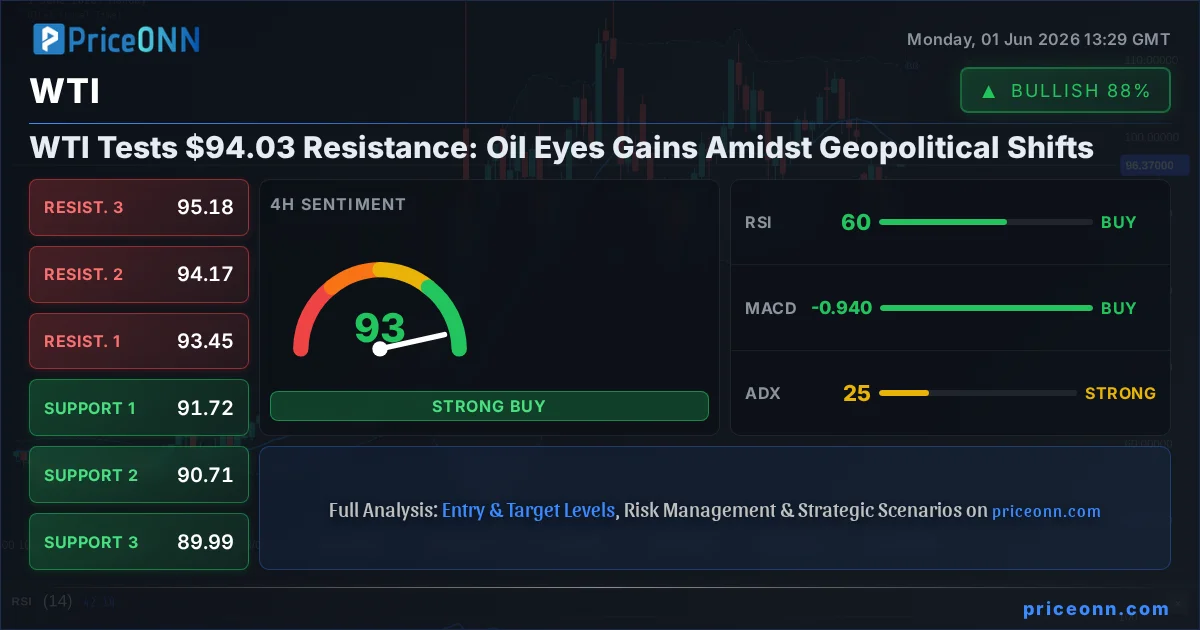
Traders should closely monitor geopolitical developments in the Middle East, particularly any escalation that could directly impact oil production or shipping. Key levels to watch include:
- $92: A break above this level could signal further upside potential, with the next target around $95.
- $88: A drop below this level might indicate a temporary easing of tensions and could lead to a pullback towards $85.
Risk management is crucial in this volatile environment. Consider using stop-loss orders to limit potential losses and be prepared for sudden price swings based on news headlines. Traders should also be aware that market sentiment can shift rapidly, making technical analysis less reliable than usual. Increased volatility may present opportunities for short-term trading, but also carries significant risk.
The market is currently pricing in a significant risk premium due to the potential for supply disruptions. Upcoming OPEC+ meetings will be closely watched for any indications of production adjustments. Furthermore, economic data releases from major economies could influence demand forecasts and impact prices. Any signs of weakening demand could offset some of the upward pressure from geopolitical tensions.
Outlook
The near-term outlook for crude oil remains highly uncertain, with geopolitical risks dominating market sentiment. While increased domestic production in Europe could offer some long-term relief, it is unlikely to have a significant immediate impact on prices. The market will continue to be driven by developments in the Middle East, with any escalation likely to push prices higher and any de-escalation potentially leading to a pullback.
Track markets in real-time
Empower your investment decisions with AI-powered analysis, technical indicators and real-time price data.
Join Our Telegram Channel
Get breaking market news, AI analysis and trading signals delivered instantly to your Telegram.
Join Channel PriceONN News
Crude oil futures experienced a dramatic reversal, soaring overnight to $92.52 before plummeting nearly 6% to $89 a barrel. This volatility was driven by escalating US-Iran tensions followed by reports of a potential preliminary diplomatic understanding.
PriceONN News
Crude oil prices experienced a significant drop, with WTI futures falling over 1.8% to $87.25, as optimism grew for a U.S.-Iran deal potentially reopening the Strait of Hormuz.
PriceONN News
(RTTNews) - Crude oil prices have tumbled on Friday as expectations of the U.S. and Iran signing a Memorandum of Understanding run high. The MoU would allow for immediate reopening of the Strait of Hormuz and pave the way for the resumption of oil and energy trade.
PriceONN News
Crude oil futures experienced a dramatic intraday reversal on Thursday, soaring overnight on geopolitical fears only to pull back significantly as reports of a potential diplomatic understanding between the U.S. and Iran emerged.
PriceONN News
Crude oil futures experienced a dramatic intraday reversal, soaring to $92.52 before pulling back significantly on Thursday. The volatile session was driven by shifting geopolitical narratives and U.S. inventory data.
PriceONN News
Brent crude prices surged towards the mid-$90s amid fears of supply disruptions from Middle East tensions, only to pare gains later as whispers of a potential US-Iran diplomatic understanding emerged.
PriceONN News
(RTTNews) - Crude oil futures skyrocketed overnight but have shown a significant pullback over the course of the trading day on Thursday.
PriceONN News
Crude oil benchmarks experienced a sharp decline of over 5% this week, driven by renewed optimism surrounding U.S.-Iran peace talks and a potential easing of Middle East tensions. Both Brent and WTI futures saw significant drops as market sentiment shifted towards de-escalation.
PriceONN News
Global oil prices are treading water after a significant 5% slump, as market sentiment grapples with cautious optimism over Middle East de-escalation efforts versus lingering geopolitical uncertainties. Brent crude hovers near $104.72 and WTI near $98.07.
PriceONN News
The Iran war suddenly turned what had started as a year of oversupply in global oil and LNG markets into the worst oil and gas supply disruption in history. Three months after the U.S.-Israeli strikes on Iran began on February 28, the world has already lost 1 billion barrels of crude oil supply, oil and gas prices have found a new, much higher floor, and whipsaw with violent volatility nearly every day, trade routes have shifted, and tanker rates have spiked. Actual supply shortages are...
PriceONN News
Crude oil prices experienced a significant downturn as market sentiment shifted towards optimism about a potential US-Iran Memorandum of Understanding that could reopen the Strait of Hormuz. WTI futures fell nearly 2% on the news.
PriceONN News
The market’s faith in an imminent US-Iran peace breakthrough has clearly weakened today - but it has not disappeared yet. Oil prices jumped again in after fresh military escalation around the Strait of Hormuz reignited fears of prolonged supply disruptions across the Gulf. Brent crude pushed back toward the mid-$90s after new U.S. strikes inside […] The post Brent Oil Holding Below $100 Suggests Markets Still See Room for a US-Iran Deal appeared first on ActionForex.