Oman Evacuates Key Oil Port as Iran War Intensifies
Tensions Rise: Oman Orders Port Evacuation
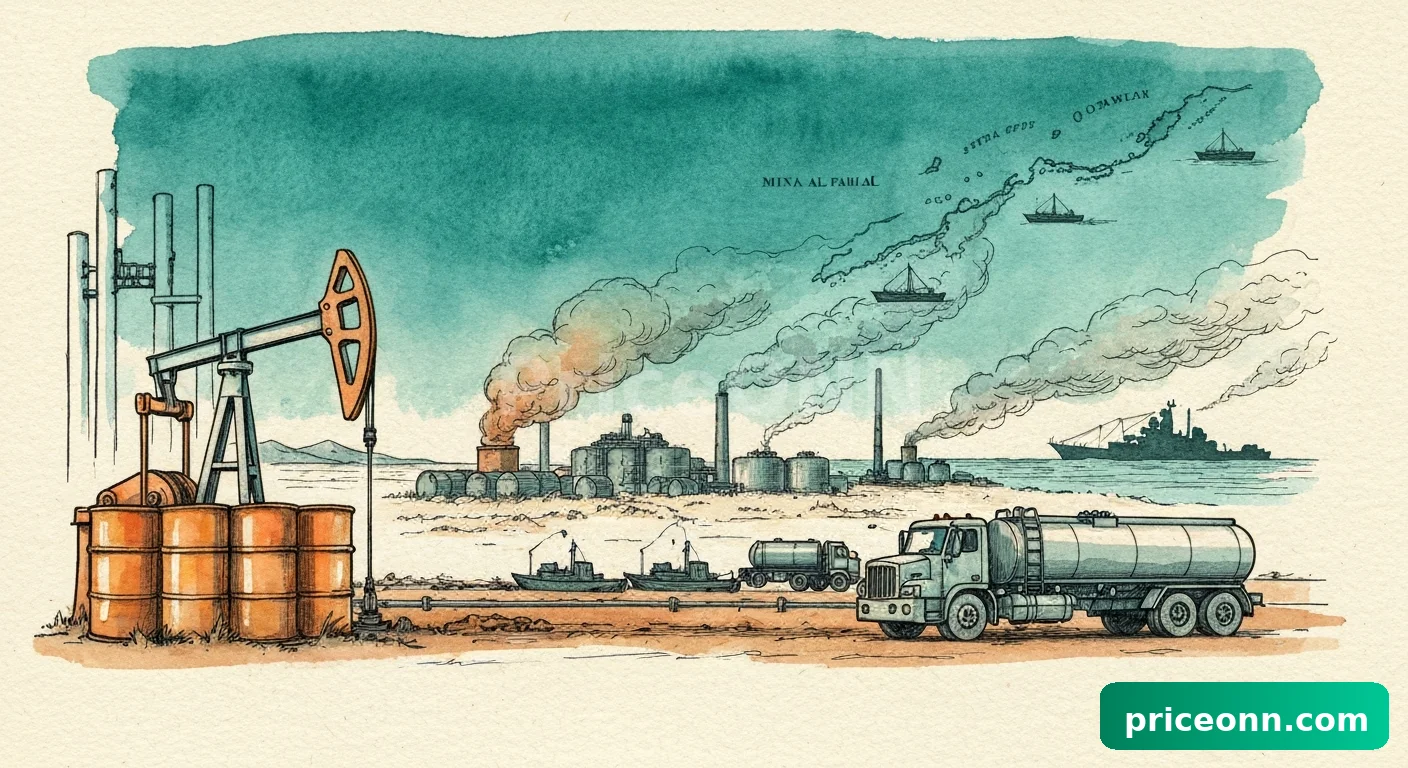
A critical development is unfolding in the Middle East, where geopolitical tensions are increasingly impacting global energy supply chains. Oman has directed all vessels to evacuate the Mina Al Fahal oil port. This port, strategically located outside the Strait of Hormuz, serves as a vital export hub.
The evacuation order, issued on Thursday, follows a concerning escalation in attacks targeting energy infrastructure throughout the region. Tankers and cargo vessels are now facing heightened risks, prompting a reassessment of maritime safety protocols. The situation intensified following reports that Iranian drones struck oil storage facilities at the Port of Salalah in Oman on Wednesday, signaling a potential expansion of the conflict.
Salalah's significance has grown as an alternative route for tankers seeking to bypass the increasingly perilous Strait of Hormuz. The recent strike highlights that the conflict may extend beyond the Strait, threatening alternative export routes used by oil producers and shipping companies.
Adding to the instability, two oil tankers transporting Iraqi oil products caught fire after being hit in Iraqi territorial waters, near Iraq’s southern export terminals. The attacks were claimed by Iran, with state media reporting that an underwater drone attack was responsible for the explosions.
Heightened Maritime Security Concerns
The Joint Maritime Information Center issued a stark warning regarding the evolving threats in the Gulf region. The center stated that "Recent incident patterns suggest a campaign focused on operational disruption and the creation of uncertainty across maritime traffic flows." This assessment underscores the deliberate targeting of maritime operations to create instability.
The attack on Oman’s storage facilities at Salalah "highlights the continued exposure of regional port and energy infrastructure beyond the Strait of Hormuz itself, reinforcing the broader risk environment for maritime logistics, fuel storage, and port operations across the Arabian Sea and Gulf approaches," according to the center. They also added that there is a high probability of stand-off or sabotage-style attacks against stationary vessels, offshore infrastructure, and port areas, over the next 24 hours.
The Bigger Picture for Energy Markets
The evacuation of Mina Al Fahal and the attacks on tankers represent a tangible threat to global oil supplies. With approximately 20% of the world's oil supply passing through the Strait of Hormuz, any disruption can have significant consequences for prices and availability.
These events are occurring against a backdrop of already tight supply, with OPEC+ production cuts and rising demand putting upward pressure on prices. The increased risk premium associated with Middle East oil exports is likely to further exacerbate price volatility.
Trader Takeaways
This escalating conflict presents both risks and opportunities for traders. The immediate impact is likely to be increased volatility in oil prices, particularly Brent Crude and West Texas Intermediate (WTI). Traders should also monitor related assets, such as the USD/CAD currency pair, as the Canadian dollar is closely tied to oil prices. Energy stocks may also experience increased volatility.
Furthermore, the situation underscores the importance of geopolitical risk in commodity trading. Unexpected events can rapidly shift market dynamics, creating opportunities for those who are prepared. However, it also highlights the need for careful risk management, as sudden price swings can lead to significant losses.
Watch for potential safe-haven flows into assets like gold and the US dollar as investors seek to reduce their exposure to riskier assets. The key level to watch is the immediate response of Brent Crude to these attacks; a sustained break above $90 per barrel could signal further escalation and potential supply disruptions.
Track markets in real-time
Empower your investment decisions with AI-powered analysis, technical indicators and real-time price data.
Join Our Telegram Channel
Get breaking market news, AI analysis and trading signals delivered instantly to your Telegram.
Join Channel