Open-pit gold miners most exposed to high oil prices: Jefferies
Oil Price Surge Threatens Gold Miner Margins
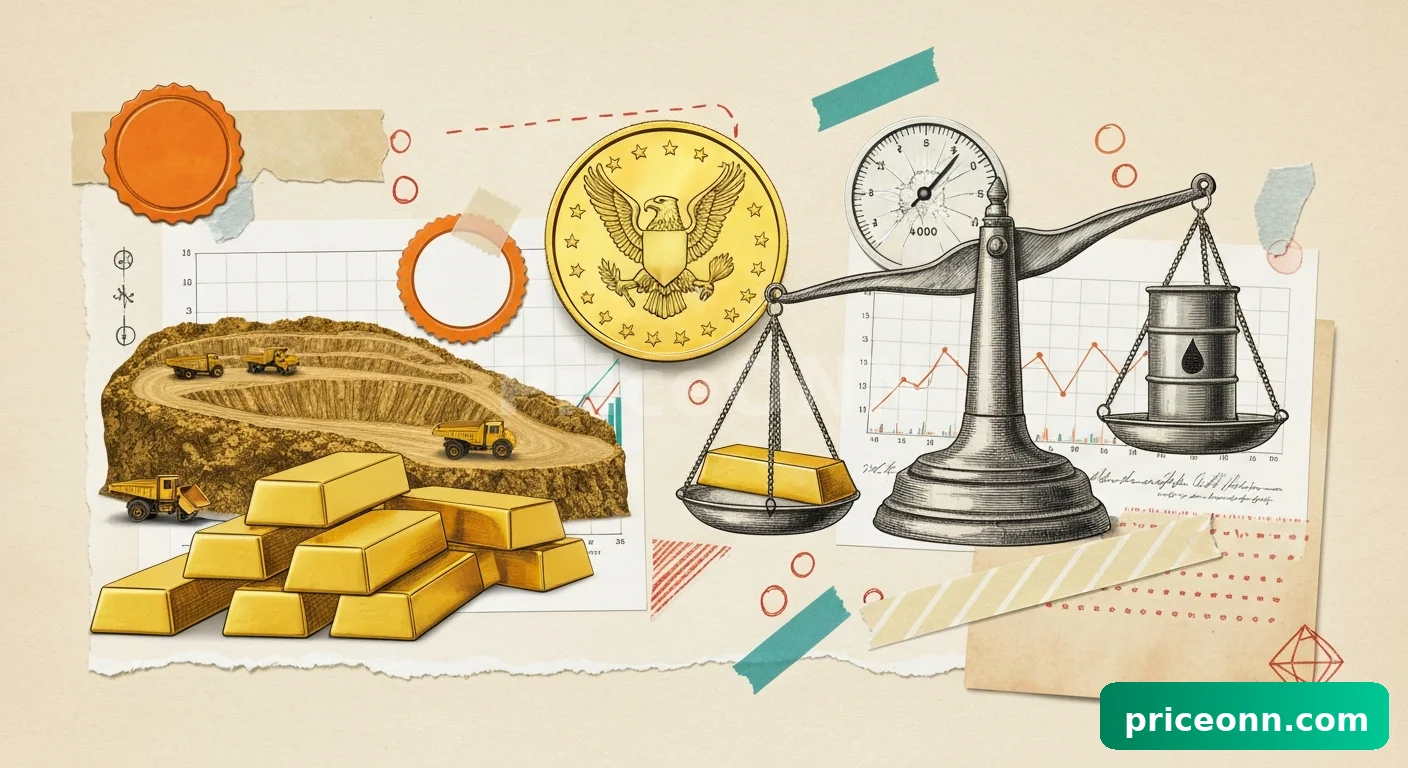
Gold mining companies operating large open-pit mines are particularly vulnerable to rising oil prices, which could significantly impact their profit margins. Diesel fuel powers essential operations like haul trucks and electricity generation, making these mines susceptible to increased energy costs. This exposure is especially pronounced given the ongoing geopolitical tensions in the Middle East. The question isn't *if* costs will rise, but *when*, according to industry analysts.
Producers with a substantial portion of their output from open-pit mines are more sensitive to sustained oil price increases compared to those focused on underground mining. While energy costs were previously seen as a tailwind for miners, that dynamic has shifted, now presenting a significant challenge.
Escalating tensions, including restricted shipping through the Strait of Hormuz, have prompted investors to reassess the cost outlook for gold miners. Energy constitutes a critical input for the mining sector, and any prolonged disruption in oil markets stands to drive up operating expenses across the board.
Which Companies Face the Biggest Headwinds?
Several North American gold producers are heavily exposed to open-pit mining. G Mining Ventures (TSX: GMIN), with 100% of its production from its Tocantinzinho operation in Brazil, tops the list. Endeavour Mining (LSE, TSX: EDV) follows at approximately 85%, with B2Gold (TSX: BTO; NYSE-A: BTG) at between 78% and 83%, and OceanaGold (TSX: OGC) at around 71%.
Other major gold miners sourcing more than half of their output from open-pit operations include Barrick Gold (TSX: ABX; NYSE: GOLD), with 52% to 66%, and Kinross Gold (TSX: K; NYSE: KGC), at around 55%.
Mining companies with diesel hedging programs or regulated pricing structures may experience some short-term insulation from these pressures. However, the longer geopolitical tensions persist, the greater the likelihood that higher fuel and consumable costs will impact operating results.
The Bigger Picture for Gold Investors
Gold equities began 2024 with considerable momentum, boosted by rising bullion prices. The S&P/TSX Global Gold Index has already increased by approximately 14% this year, reflecting the leverage miners have to rising gold prices. Investors are now focusing intently on near-term input costs as geopolitical risks intensify.
Energy accounts for roughly 12% of the average gold miner's cost structure. This compares with 46% for labor and contractors and 33% for consumables and materials. A 10% increase in oil prices could increase all-in sustaining costs by approximately $10 per ounce on average, although the precise impact varies based on asset mix and hedging strategies.
Beyond energy, there's a risk of “second-order” inflation in mining consumables if supply disruptions persist. Gold producers rely on specialized inputs such as sodium cyanide, explosives, grinding media, steel, flotation agents, and tires. While many miners accumulated substantial inventories following pandemic-era supply chain issues, these reserves will eventually deplete, exposing companies to higher replacement costs.
What Smart Money Is Watching
This situation presents both risks and opportunities for investors. The key takeaway is that stock performance within the gold sector will likely become more divergent. Company-specific factors like mine type, cost structure, energy exposure, and hedging positions will increasingly dictate outcomes.
Consider these factors when evaluating gold mining stocks:
- Hedging Strategies: How effectively has the company hedged against rising fuel costs?
- Open-Pit vs. Underground Ratio: What percentage of their production comes from open-pit mines?
- Geographic Exposure: Are their operations located in regions with stable energy supplies?
While higher gold prices can mitigate cost pressures for some producers, others may see their margins erode. Investors should closely monitor companies with significant open-pit exposure and limited hedging in place. This situation could also benefit gold streaming and royalty companies, which are less directly exposed to operating cost inflation.
Assets to watch closely include: WTI Crude Oil, Brent Crude Oil, the S&P/TSX Global Gold Index, and individual gold mining stocks like Barrick Gold, Newmont, and Agnico Eagle Mines.
Track markets in real-time
Empower your investment decisions with AI-powered analysis, technical indicators and real-time price data.