Qatar Leases Tankers as LNG Market Hits Crisis Mode
LNG Market Under Pressure
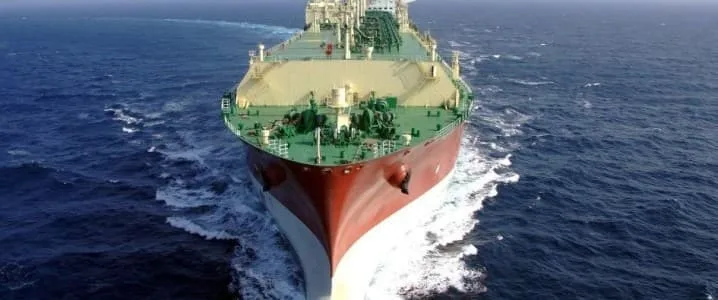
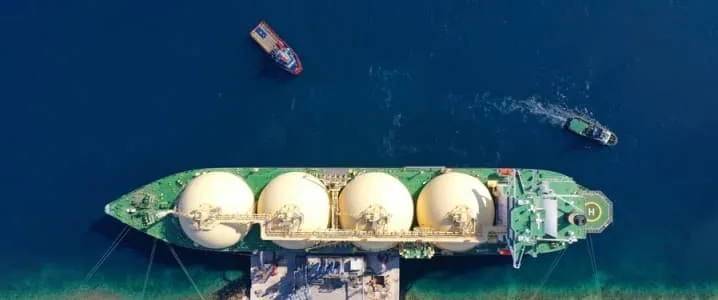
The global liquefied natural gas (LNG) market is currently experiencing significant strain, prompting Qatar, a major player in the industry, to offer two LNG carriers for lease. According to sources cited by Bloomberg, this decision comes amidst a critical shortage of available vessels and a corresponding spike in daily charter rates. The location of these vessels is reportedly off the west coast of Africa.
This development is largely attributed to the recent disruptions in the Strait of Hormuz, a vital transit point for energy shipments. These disruptions have triggered a dramatic increase in LNG tanker rates. To illustrate, charter rates for routes between the U.S. Gulf Coast and Europe have catapulted from approximately $40,000 per day to as high as $300,000 per day within a single week. Similar escalations have been observed on the Gulf Coast to Asia route, with rates surging from around $42,000 per day to the same $300,000 level.
Supply Chain Concerns and Regional Impact
Earlier in the week, operations at the world's largest LNG plant, operated by QatarEnergy, were temporarily suspended following strikes within Iran. The resumption of production at this critical facility could potentially take weeks, contingent upon the cessation of military actions. Subsequently, QatarEnergy issued a force majeure declaration, effectively suspending exports of the energy commodity. Together, QatarEnergy and the UAE account for a substantial portion, roughly one-fifth, of the world's total LNG production.
The Ras Laffan LNG facility, located in Qatar, is designed to process gas extracted from the massive North Field, which is shared with Iran. Since the early 2010s, Qatar has held a dominant position in the global LNG market. While the majority of Qatari LNG is destined for Asian markets, Europe is also feeling the ripple effects of the Hormuz crisis. As the global market tightens, the premium on Asian LNG prices over European prices is increasing, further incentivizing the diversion of available spot supplies to Asian importers.
Expert Analysis and Market Outlook
According to Claire Jungman, Director of Maritime Risk & Intelligence at Vortexa, a leading energy market analytics firm, the LNG market's lack of spare capacity means that any disruption could have immediate and far-reaching consequences.
"There’s no spare capacity in the LNG market, so the disruption could be immediate and immense,"
The situation underscores the fragility of global energy supply chains and the potential for geopolitical events to trigger significant price volatility. Market participants are closely monitoring developments in the region and their potential impact on LNG flows.
Track markets in real-time
Empower your investment decisions with AI-powered analysis, technical indicators and real-time price data.
Join Our Telegram Channel
Get breaking market news, AI analysis and trading signals delivered instantly to your Telegram.
Join Channel