
Strait of Hormuz Blockade Sends Oil Prices Soaring Amid Global Supply Shock
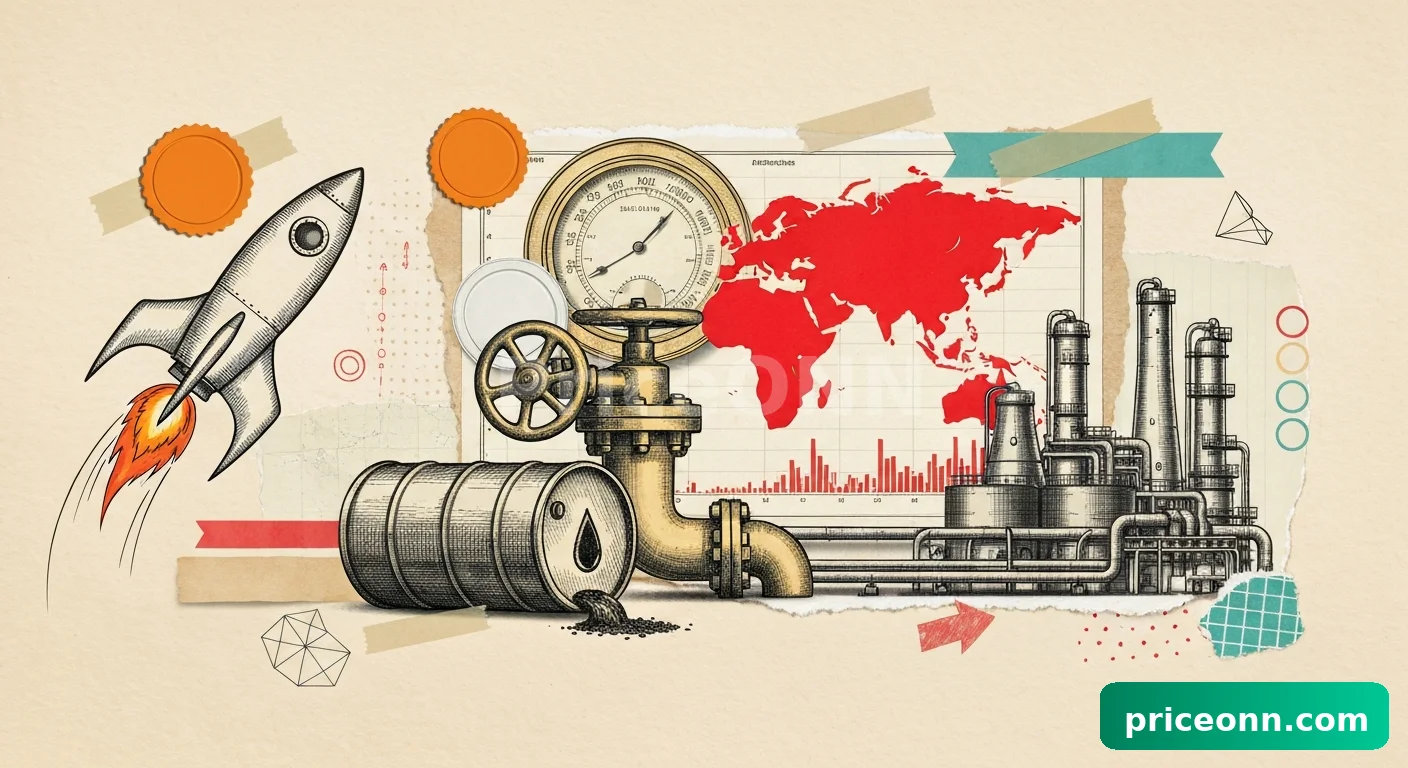
The global energy landscape has been dramatically reshaped by a severe disruption at the Strait of Hormuz, a critical chokepoint for oil and liquefied natural gas (LNG) shipments. This event has sent shockwaves across continents, exposing the vulnerabilities in energy security for Asia, Europe, and the United States. Market data shows that no major consuming nation is insulated from this unprecedented supply upheaval, with all experiencing soaring fuel prices and a heightened risk of accelerating inflation, dimming prospects for near-term interest rate cuts.
Market Context
The immediate impact of the Strait of Hormuz blockade is a significant constriction of global energy arteries. Asia, heavily reliant on Middle Eastern crude and LNG that transits this vital waterway, faces the most acute supply crunch. Reports indicate that Asian buyers are urgently seeking alternative sources, including Russian oil and supplies from distant origins like the United States, West Africa, and Brazil. This scramble underscores the region's deep dependence on consistent flows from the Persian Gulf. While strategic petroleum reserve releases from countries like Japan and South Korea may offer temporary relief for refiners, likely extending into April, these measures are viewed as stopgap solutions against a persistent underlying supply deficit.
Analysis & Drivers
The primary driver for the current market turmoil is the physical interruption of supply at the Strait of Hormuz. This chokepoint typically handles a substantial volume of global oil and LNG trade, making its closure a potent catalyst for price spikes and supply shortages. Analysts note that the event has amplified existing geopolitical tensions, creating significant uncertainty in the market. The ripple effect is being felt even in theoretically insulated markets like the United States, where domestic refining operations are closely tied to global crude benchmarks. This has led to unprecedented surges in diesel and gasoline prices, demonstrating the interconnectedness of the modern energy market. The threat of escalating inflation is now a primary concern for central banks, as higher energy costs feed directly into consumer price indices.
Trader Implications
Traders should brace for continued volatility in energy markets. Key levels to watch for crude oil include the $90 per barrel mark for Brent crude and $85 per barrel for West Texas Intermediate (WTI), which could be tested or broken if supply disruptions persist. The immediate focus will be on inventory data and any official statements from major energy-producing nations or consuming blocs regarding supply management or strategic reserve deployment. Geopolitical developments surrounding the Strait of Hormuz will remain a paramount factor influencing price direction. Strategies involving long positions on crude oil futures or call options may be considered, contingent on risk management protocols. Conversely, traders should monitor for signs of demand destruction due to persistently high prices, which could cap further upside.
Outlook
The outlook for global energy prices remains highly uncertain, contingent on the duration and resolution of the Strait of Hormuz blockade. If the disruption is prolonged, sustained high prices are expected, potentially leading to a more severe global economic slowdown and persistent inflationary pressures. Any indication of a swift resolution could lead to a sharp price correction, though the underlying supply fragility will likely keep a floor under prices. Upcoming economic data, particularly inflation reports and central bank commentary on interest rate policy, will be crucial in gauging the broader market sentiment.
Frequently Asked Questions
What is the immediate impact of the Strait of Hormuz blockade on oil prices?
The blockade has caused a significant surge in oil prices. Market data indicates that crude benchmarks are trading at multi-month highs, with Brent crude approaching the $90 per barrel level and WTI nearing $85 per barrel due to the severe supply shock.
Which regions are most affected by the energy supply disruption?
Asia is experiencing the most immediate and intense impact due to its heavy reliance on Middle Eastern energy transiting the Strait of Hormuz. However, Europe and the United States are also facing significant price increases and supply concerns, highlighting a global vulnerability.
What are the key factors to watch for traders in the coming weeks?
Traders should closely monitor geopolitical developments related to the Strait of Hormuz, official energy supply statements, and global inventory data. Additionally, upcoming inflation reports and central bank pronouncements on interest rates will be critical for market direction.
Track markets in real-time
Empower your investment decisions with AI-powered analysis, technical indicators and real-time price data.
Join Our Telegram Channel
Get breaking market news, AI analysis and trading signals delivered instantly to your Telegram.
Join Channel

PriceONN