Oil Prices Edge Lower but Remain Poised to End the Week Higher

Oil Market Navigates Geopolitical Crosscurrents
Global crude benchmarks experienced a slight pullback as the trading week drew to a close. Nevertheless, the overall trajectory points towards a weekly advance, largely fueled by ongoing export disruptions emanating from the Middle East, which have now persisted for three consecutive weeks. At the time of this report, Brent crude futures were valued at $106.71 per barrel. This represents a significant jump from its opening price of approximately $103 at the week's commencement. Similarly, West Texas Intermediate (WTI) futures saw a retreat to $93.58 a barrel, a noticeable decrease from its position above $99 at the start of the week's trading sessions.
The late-week price softening can be attributed to public statements from international leaders who acknowledged the critical necessity of reestablishing unimpeded tanker traffic through the vital Strait of Hormuz. However, these pronouncements lacked specific actionable strategies for achieving this objective. Adding further pressure on prices, remarks from U.S. Treasury Secretary Scott Bessent indicated that Washington was contemplating the relaxation of sanctions on Iranian crude oil currently held in floating storage facilities. Concurrently, speculation regarding potential additional releases from the U.S. Strategic Petroleum Reserve also contributed to the downward price movement.
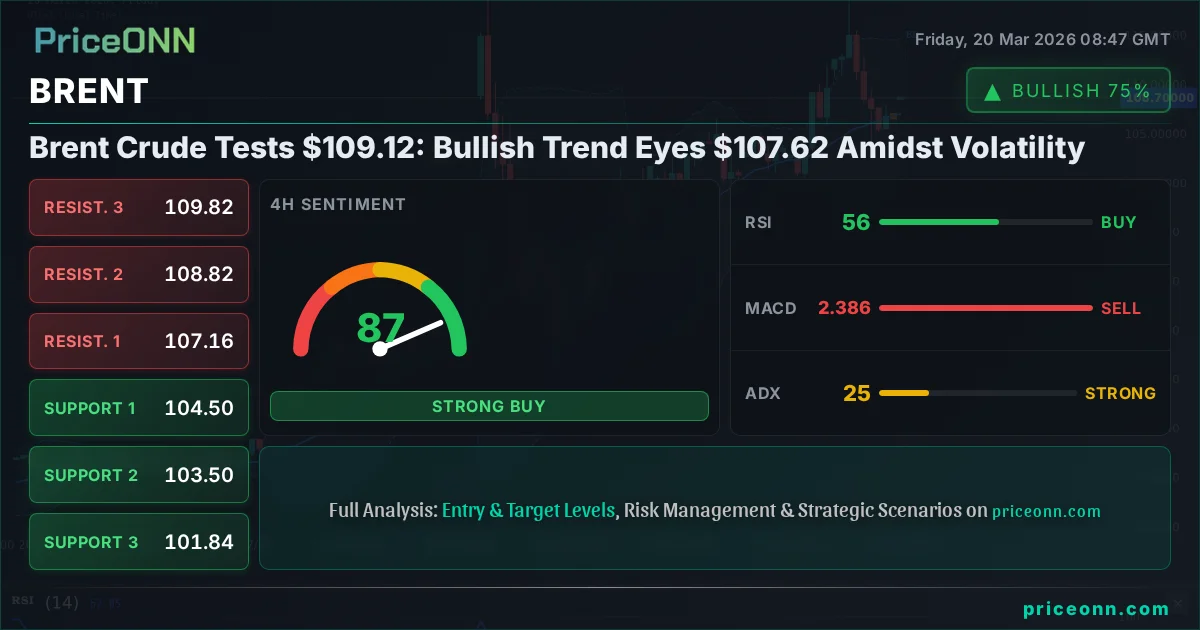
While pronouncements from global leaders carry weight, the practical execution of the ideas discussed may present considerable hurdles, even under the most optimistic scenario of the Strait reopening swiftly. The fundamental reality is that reversing extensive damage and disruption to oil and gas production infrastructure is not an instantaneous process. This crucial point appears to be somewhat overlooked by many market participants currently. The prevailing geopolitical climate, with reports of further Israeli military actions against Iran despite assurances from President Trump to cease such operations, suggests that diplomatic resolutions remain distant prospects.
Reading Between the Lines
The market is grappling with a complex interplay of immediate supply concerns and speculative geopolitical risk. The extended disruption in the Middle East, coupled with the potential for even more Iranian crude to enter the market if sanctions ease, creates a volatile pricing environment. Investors are weighing the immediate impact of reduced supply against the possibility of future supply increases, however uncertain their timing and scale may be.
The statements regarding the Strait of Hormuz, while intended to calm markets, highlight the fragility of global energy routes. The logistical and political challenges of securing such a critical chokepoint cannot be underestimated. Furthermore, the suggestion of tapping the Strategic Petroleum Reserve indicates a growing concern among policymakers about sustained high energy prices and their broader economic implications.
The disconnect between leaders' calls for de-escalation and continued military actions in the region introduces a significant layer of uncertainty. This tension between diplomatic rhetoric and on-the-ground realities is a key driver of price volatility. Traders are watching closely for any concrete steps towards de-escalation or, conversely, further escalation, which could dramatically alter the supply outlook.
Market Ripple Effects
The current oil price dynamics have significant implications beyond crude benchmarks themselves. The elevated cost of energy directly impacts inflation expectations and consumer spending, potentially influencing central bank policy. As a result, we should monitor several related markets:
- The US Dollar Index (DXY): Rising oil prices can sometimes correlate with a stronger dollar, as it is often seen as a safe-haven asset during times of geopolitical uncertainty. However, persistent inflation driven by high energy costs could also pressure the dollar if it leads to expectations of slower economic growth.
- Equity Markets: Energy stocks, particularly integrated oil and gas companies, are direct beneficiaries of higher crude prices. Conversely, sectors heavily reliant on energy, such as airlines and transportation, may face increased operating costs and reduced profit margins. Broader market sentiment can also be affected by inflation fears stemming from high energy prices.
- Natural Gas Prices: Geopolitical events impacting oil supply often spill over into natural gas markets, especially if crude oil production disruptions also affect associated gas output. Increased demand for alternative energy sources due to oil concerns could also boost natural gas prices.
- Gold Prices: As a traditional safe-haven asset, gold often rallies during periods of geopolitical tension and economic uncertainty. High oil prices contributing to inflation fears can further bolster gold's appeal as an inflation hedge.
Track markets in real-time
Empower your investment decisions with AI-powered analysis, technical indicators and real-time price data.
Join Our Telegram Channel
Get breaking market news, AI analysis and trading signals delivered instantly to your Telegram.
Join Channel