The Good, the Bad and the Simply Perplexing

Current Economic Trajectory
The Australian economy is currently navigating a cyclical upswing, with recent quarterly figures indicating a greater capacity for supply than previously estimated. While government initiatives continue to utilize significant resources, consumer expenditure has not reached anticipated levels. The latest national accounts corroborate this expansion, suggesting a broadening foundation for economic growth.
A significant portion of this growth is attributed to investments in Australia's future prosperity. Revisions to economic data also suggest a stronger supply capacity than initially projected. However, robust public sector resource demands may overlap with the increasing requirements of business and residential investments. This is further compounded by a resurgence in household income tax burdens to elevated levels, coupled with rising petrol prices amidst ongoing geopolitical tensions in the Middle East.
Consumption and Investment Dynamics
Consumption data from the fourth quarter presented an enigma, falling short of both internal and Reserve Bank of Australia (RBA) forecasts. While some of this discrepancy may be attributed to transient factors expected to normalize in subsequent quarters, or potential measurement inaccuracies subject to future revisions, it appears the anticipated recovery in the private sector is more heavily reliant on investment in both business and housing, rather than consumer spending. The prevailing inflationary pressures are expected to constrain consumer activity until they subside.
The Australian Bureau of Statistics (ABS) conducts quarterly evaluations of the economy, providing insights into current and historical economic activity. These assessments typically reveal a combination of positive and negative developments, alongside perplexing outcomes. The latest quarter's results are no exception.
Key Factors and Considerations
Several factors contribute to the current economic landscape:
- Cyclical Upswing: Australia's economy is in a cyclical upswing with broad-based growth.
- Business Investment: Business investment is positive, albeit volatile due to the timing of data center equipment purchases.
- Mineral Exports: Mineral export volumes have rebounded, contributing to increased income and tax revenue due to higher commodity prices.
- Supply Capacity: Supply capacity is better than feared, supporting faster growth alongside recent inflation.
- Productivity Growth: Productivity growth is above the RBA's forecasts.
However, there are also challenges:
- Public Sector Expansion: The public sector continues to expand, potentially competing with the private sector for resources.
- Rising Taxation: Taxation as a share of household income has risen, reducing disposable incomes.
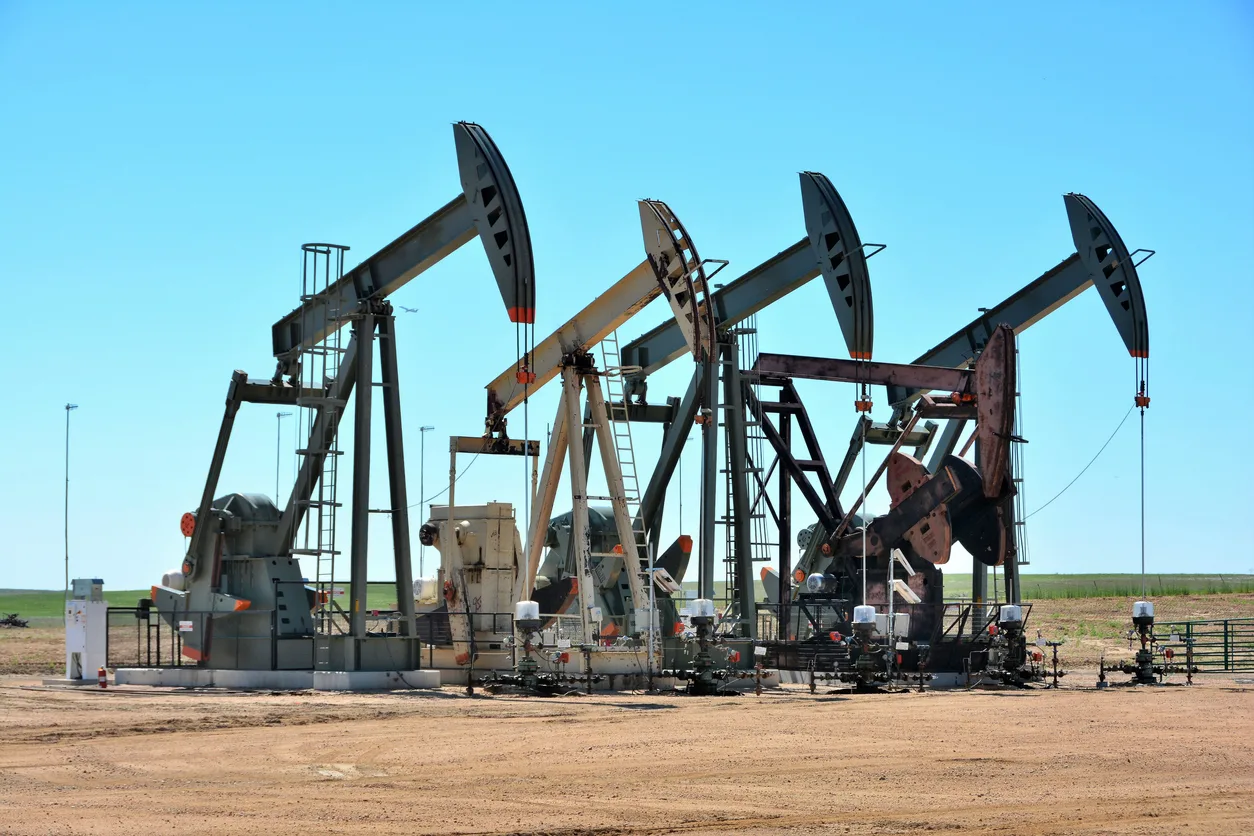
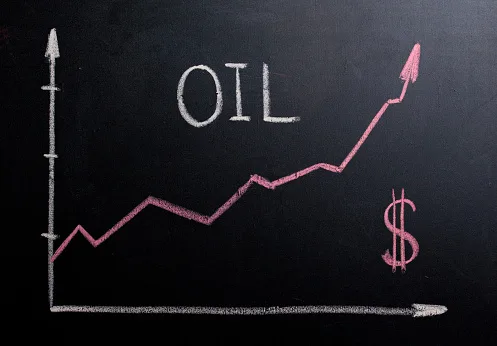
- Geopolitical Risks: The war in the Middle East has led to higher oil and petrol prices.
In conclusion, the anticipated private sector recovery is driven more by investment than consumer spending. Restrictive monetary policy and rising tax burdens will likely constrain consumers until inflation eases.
Track markets in real-time
Empower your investment decisions with AI-powered analysis, technical indicators and real-time price data.
Join Our Telegram Channel
Get breaking market news, AI analysis and trading signals delivered instantly to your Telegram.
Join Channel