Trump raises the stakes on China with Section 301 trade probe, weeks before Beijing summit
Trade War Flashpoint: Section 301 Investigation Launched
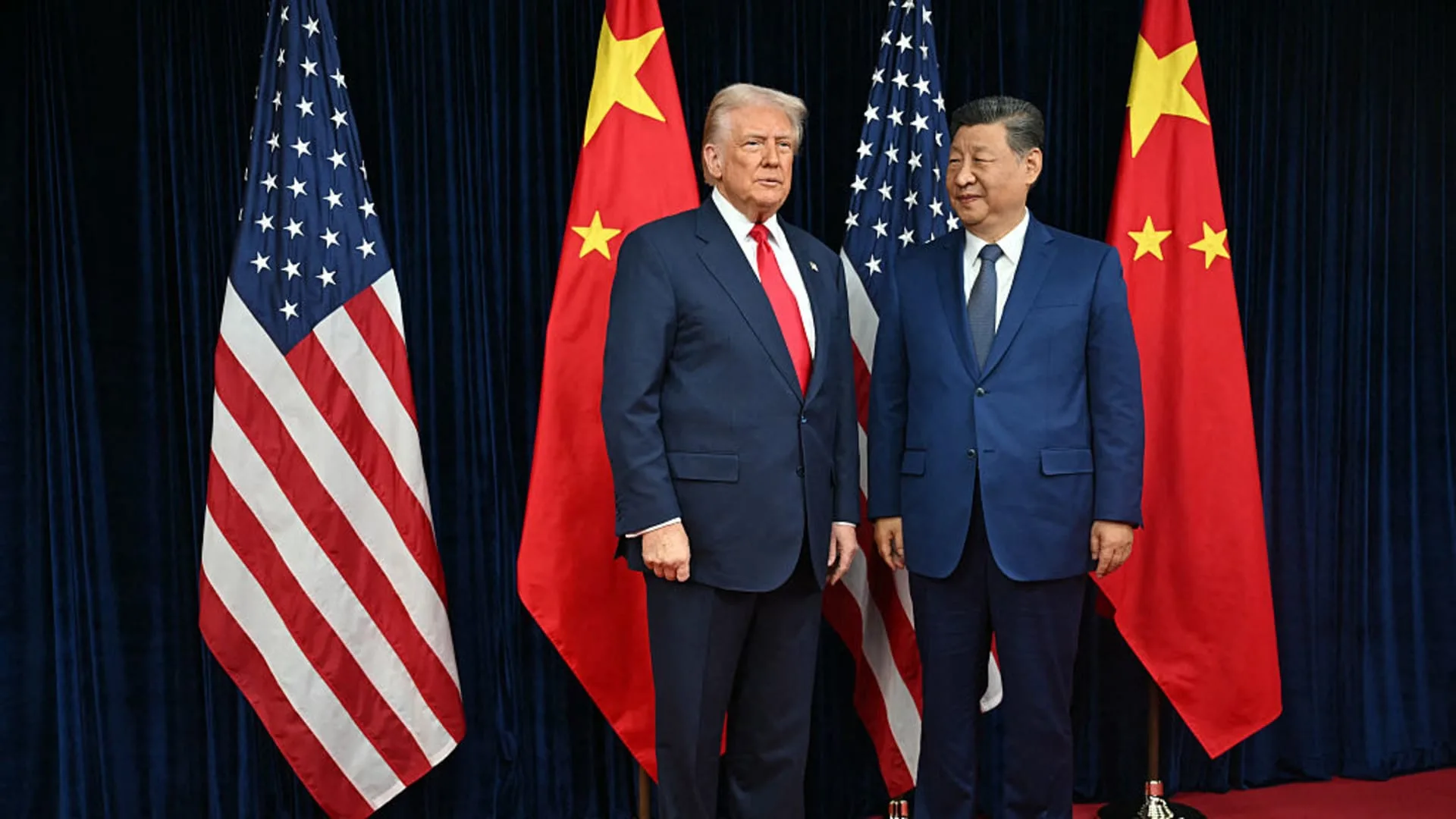
Just three weeks before a pivotal summit in Beijing, the U.S. has escalated trade tensions with China by initiating broad investigations. These probes, conducted under Section 301 of the Trade Act of 1974, are designed to identify unfair trade practices, with a particular focus on structural excess capacity and production in key manufacturing sectors. While the investigation casts a wide net, examining over a dozen trading partners, it is widely perceived as directly targeting China given its documented history of overcapacity and concerns around forced labor practices.
One analyst noted that the U.S. move aims to establish leverage on tariffs, a key pressure point, ahead of the summit. However, they also suggested that Beijing was likely expecting this escalation. This action follows a recent Supreme Court decision that curtailed the U.S. president's ability to unilaterally impose tariffs, potentially strengthening China's hand in upcoming negotiations.
The current administration is reportedly shifting its strategy to utilize other tools to maintain its tariff agenda. Section 301 allows the president to impose tariffs on countries found to be engaging in unfair trade practices without needing congressional approval. Previous administrations have also used Section 301 to levy tariffs against China.
Despite global criticism, including from the U.S. China's export sector continues to operate at full capacity. Chinese exports surged by 21.8% in the first two months of the year compared to the previous year, pushing its trade surplus to a record high of $213.6 billion. These trade probes introduce fresh uncertainty into an already complex diplomatic environment and a fragile trade truce between the world's two largest economies. The agendas for the summit appear to be diverging, complicating the path toward a potential agreement.
Summit Expectations Dim as Tensions Rise
Experts express uncertainty about the specific topics to be discussed at the upcoming summit, emphasizing the limited time available for preparation. The investigation coincides with heightened geopolitical risks stemming from U.S. actions related to Iran, which could impact China's energy supplies. While China has strategic oil and gas reserves to buffer against short-term disruptions, prolonged supply chain issues originating from the Strait of Hormuz remain a concern.
Escalating tensions in the Middle East are unwelcome for policymakers in Beijing. Recent strikes in the region have prompted retaliatory actions that threaten to disrupt critical oil supply routes. As a major consumer of Iranian crude, China has dispatched a special envoy to mediate, advocating for an immediate ceasefire and a return to diplomatic negotiations.
The upcoming meeting between the two leaders is expected to yield only limited progress, with both sides prioritizing the maintenance of stability in their bilateral relations. Maintaining the status quo achieved at a previous meeting is considered a positive outcome in itself.
China's Foreign Minister has called for both sides to create a conducive environment for the summit and avoid unnecessary disruptions. The U.S. is likely to press for extended commitments on agricultural purchases and assurances that China will not restrict its rare earth exports. Deliverables are expected to focus on commercial purchases, such as soybeans, rather than a comprehensive agreement. China, in turn, will likely seek clarity on the future of U.S. technology export restrictions. The possibility of American executives accompanying the U.S. president on the trip appears to be diminishing, further dampening expectations for the summit.
What This Means for Traders
The renewed trade tensions inject volatility into several key markets. Traders should closely monitor movements in the USD/CNY currency pair, as any escalation could trigger significant fluctuations. Furthermore, keep an eye on commodity prices, particularly soybeans and rare earth minerals, which are central to the trade discussions. Energy markets, especially Brent Crude, are also vulnerable due to the geopolitical risks intertwined with the trade negotiations.
The short-term impact could involve increased risk aversion, benefiting safe-haven assets like the U.S. Dollar Index (DXY). Medium-term, the outcome of the summit will dictate the direction of these assets. A positive surprise could spark a rally in risk assets, while a breakdown in talks could lead to further declines.
Key risks to watch include any unexpected tariff announcements or escalatory rhetoric from either side. Opportunities may arise from short-term price swings, but traders should exercise caution and manage their positions carefully.
Track markets in real-time
Empower your investment decisions with AI-powered analysis, technical indicators and real-time price data.
Join Our Telegram Channel
Get breaking market news, AI analysis and trading signals delivered instantly to your Telegram.
Join Channel