Is the US Dollar Poised for Further Gains as Oil Prices Surge Past $100?

The US Dollar is showing resilience and challenging recent highs as global financial markets digest the persistent surge in oil prices, with Brent crude trading near the $100 per barrel mark. This sharp increase in energy costs is fueling inflation anxieties and prompting investors to seek refuge in perceived safe-haven assets, benefiting the greenback.
Market Context
Financial markets experienced heightened volatility as the week opened, with oil prices initially spiking before paring some gains. Investors are closely monitoring the geopolitical situation in the Middle East, which remains a significant driver of energy market sentiment. The bombing of a major Iranian export hub late Friday and ongoing tensions have cast a shadow over supply security. Simultaneously, the International Energy Agency (IEA) has indicated that oil from emergency reserves could be made available, particularly to Asia, a region heavily reliant on shipping routes through the Strait of Hormuz. Despite some relief from the passage of two LPG tankers, the broader conflict suggests a prolonged period of uncertainty.
The impact of elevated energy prices is reverberating through fixed-income markets. In the United States, the yield curve showed signs of steepening. While the 2-year Treasury yield saw a modest dip, longer-dated yields, such as the 30-year Treasury, continued their ascent, pushing the 10-year yield towards its year-to-date peak near 4.3%. European yields also followed suit, with German yields rising across various maturities and the 10-year Eurozone swap yield breaching 3% for the first time since late November 2023. The UK yield curve similarly reflected inflation concerns, with the 30-year gilt yield approaching 5.5%.
Equity markets have struggled under the weight of these economic pressures. The S&P 500 index recorded a decline of 0.61%, while the Eurostoxx 50 index fell by 0.56%. Amidst this backdrop, the US Dollar has emerged as a primary beneficiary, with market data indicating that the United States is perceived as being in a stronger position to navigate these energy-related uncertainties. The DXY index, which measures the dollar's strength against a basket of major currencies, is challenging its range highs.
Analysis & Drivers
The current market dynamic is largely dictated by two intertwined factors: geopolitical instability in the Middle East and its direct impact on oil supply, and the subsequent inflationary pressures that central banks must contend with. The conflict's continuation, evidenced by attacks on key infrastructure, signals that a swift resolution is unlikely. While the IEA's potential release of strategic reserves offers a short-term buffer, it does not fundamentally alter the supply-demand imbalance driven by conflict.
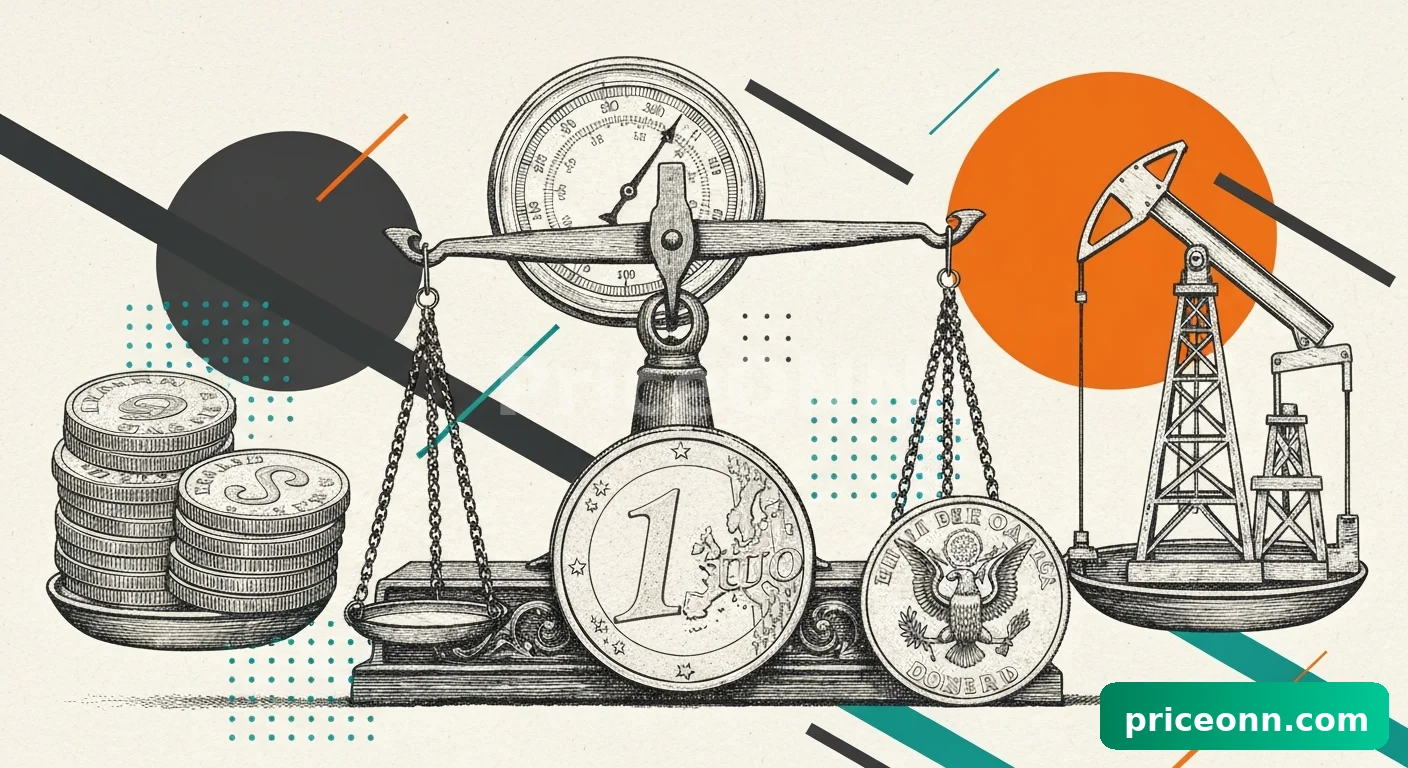
The divergence in crude oil prices is also noteworthy. US crude has stabilized around $98.50, while Brent crude hovers just above $100. Dubai crude, however, is trading significantly higher, above $123, reflecting regional supply dynamics and shipping risks. This price action underscores the sensitivity of oil markets to Middle Eastern developments.
The rising yields across major economies are a clear signal of market expectations for sustained or even higher inflation, which could complicate central bank policy. Analysts note that the pressure on longer-term yields reflects concerns about inflation expectations becoming unanchored. This environment typically favors currencies of economies perceived as having more robust inflation management tools or greater energy independence, which currently points to the US Dollar.
Trader Implications
Traders should remain vigilant regarding geopolitical developments in the Middle East, as any escalation or de-escalation will have immediate repercussions on oil prices and, consequently, on currency markets. Key levels to watch for the US Dollar Index (DXY) include its recent range top. A sustained break above this level could signal further upside potential.
For currency pairs, the Euro and Sterling may face headwinds if inflation concerns continue to push European and UK yields higher without a corresponding increase in economic growth prospects. Conversely, the US Dollar could see continued strength against a basket of currencies, including the Yen, which often weakens in a risk-off environment fueled by energy shocks.
Key considerations for traders include:
- Monitoring oil price movements, particularly Brent crude's ability to hold above the $100 psychological level.
- Watching central bank communications for any hints on how they plan to address inflation stemming from higher energy costs.
- Assessing the effectiveness of any potential IEA reserve releases in stabilizing Asian energy markets.
- Observing US Treasury yields, specifically the 10-year, for signs of further upward pressure.
The primary risk for a bullish US Dollar narrative remains a rapid de-escalation of the Middle East conflict, which could ease inflation fears and reduce the demand for safe-haven assets. However, based on current market data and geopolitical visibility, the risks appear skewed towards continued dollar strength.
Outlook
The immediate outlook suggests that the US Dollar may continue its upward trajectory as long as oil prices remain elevated and geopolitical tensions persist. Investors will be closely watching upcoming economic data releases from major economies, particularly inflation figures and central bank statements, for further clues on policy direction. The market sentiment appears to favor a 'risk-off' environment, which typically supports the US Dollar. The potential release of strategic oil reserves by the IEA could offer some temporary respite, but the underlying supply concerns driven by conflict are likely to keep energy prices and inflation expectations elevated, reinforcing the case for dollar strength in the short to medium term.
Frequently Asked Questions
What is the current price of Brent crude oil?
Brent crude oil is trading near the $100 per barrel mark, a level that is significantly influencing global economic and market sentiment.
How are rising oil prices impacting US Treasury yields?
Rising oil prices are contributing to inflation concerns, leading to an increase in longer-dated US Treasury yields. The 10-year Treasury yield is approaching its year-to-date peak near 4.3%.
What is the short-term outlook for the US Dollar?
The short-term outlook for the US Dollar is cautiously optimistic, as persistent high oil prices and geopolitical tensions are driving demand for safe-haven assets. The DXY index is challenging recent highs.
Track markets in real-time
Empower your investment decisions with AI-powered analysis, technical indicators and real-time price data.
Join Our Telegram Channel
Get breaking market news, AI analysis and trading signals delivered instantly to your Telegram.
Join Channel