
Why Are Institutions Pouring More Capital into Digital Assets Despite Market Volatility?
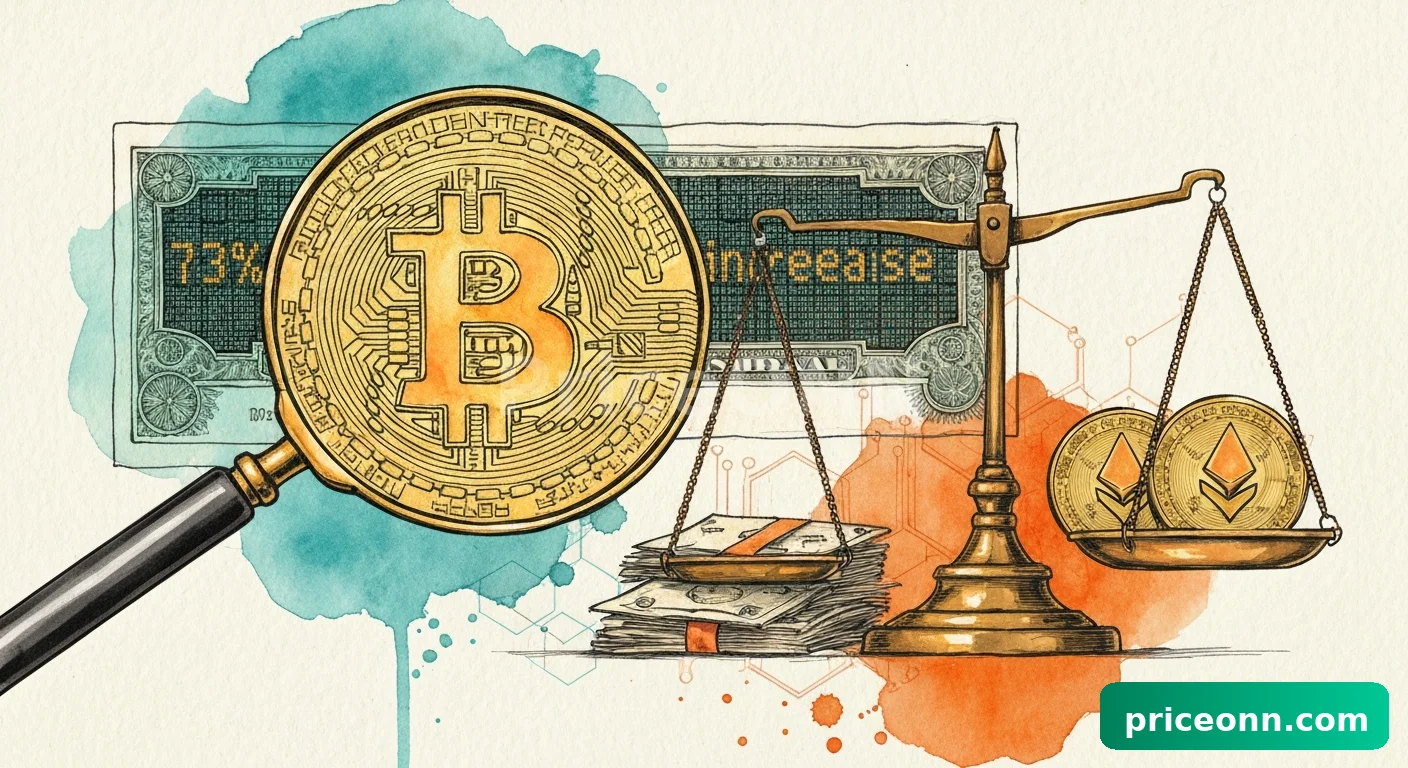
The cryptocurrency market, despite its inherent volatility, is seeing a surge of interest from institutional investors looking to increase their exposure to digital assets. Recent market data indicates that a substantial portion of these large-scale players are not only holding their ground but are actively planning to expand their digital asset portfolios in the coming year, even following recent price corrections.
Institutional Demand Continues Amidst Market Turbulence
Industry reports reveal that nearly 73% of institutional investors intend to increase their allocations to digital assets within the current year. This trend persists despite a notable market sell-off that has seen the broader crypto market decline by approximately 40% since October. Furthermore, a striking 74% of these investors expect prices to rise over the next 12 months, underscoring a robust belief in the long-term potential of cryptocurrencies. Bitcoin (BTC) and Ether (ETH) continue to be the primary focus for these institutions, but interest is demonstrably broadening to include stablecoins and the rapidly developing space of tokenized assets.
Key Drivers and Preferred Investment Vehicles
The sustained institutional interest is driven by a confluence of factors, including the growing maturity of the digital asset ecosystem and the increasing availability of regulated investment products. Market data shows that two-thirds of surveyed institutional investors prefer gaining exposure through regulated vehicles such as exchange-traded products (ETPs). This preference highlights a crucial shift towards structured and compliant pathways for capital deployment, even as regulatory landscapes continue to evolve. The traction of stablecoins, both at the retail and institutional levels, is also noteworthy, with developments like regulated USDC lending products in Japan beginning to take shape. The emergence of new models tied to real-world assets further broadens the appeal and accessibility of digital investments for a wider institutional base.
Trader Implications: Navigating the Institutional Inflow
For traders and market participants, the ongoing institutional inflow presents both opportunities and challenges. The preference for regulated vehicles suggests that products like Bitcoin and Ether ETPs could see increased liquidity and potentially influence price action more directly. Traders should monitor the flows into these regulated products as a key indicator of institutional sentiment. The expanding interest in stablecoins and tokenized assets also opens up new trading avenues, though these may require more specialized knowledge and risk management. A key takeaway for traders is the clear signal that institutional capital is moving through established, compliant channels, suggesting a strategy focused on assets with clear regulatory frameworks and robust market infrastructure is likely to be more sustainable. Watching for announcements from traditional financial institutions regarding new digital asset offerings or partnerships could provide early clues to market direction.
Outlook: Continued Growth Through Regulated Pathways
The trajectory for digital assets appears set for continued expansion, largely driven by institutional adoption via regulated channels. While price volatility remains an inherent characteristic of the crypto market, the underlying confidence among large investors suggests a resilient and maturing asset class. Future developments to watch include further integration of tokenized real-world assets and the potential for more crypto companies to tap traditional capital markets through avenues like SPAC deals. The overall sentiment points towards a market that is steadily growing, adapting, and seeking legitimacy through established financial systems, paving the way for broader adoption and potentially more stable price discovery in the long term.
Frequently Asked Questions
What percentage of institutional investors plan to increase their crypto holdings?
Market data indicates that approximately 73% of institutional investors plan to increase their digital asset allocations this year, signaling strong confidence in the market's future growth prospects.
Which digital assets are most popular among institutions?
Bitcoin (BTC) and Ether (ETH) remain the primary interests for institutional investors. However, there is a growing focus on stablecoins and tokenized assets, reflecting a diversifying investment strategy.
How are institutions primarily accessing digital assets?
A significant majority, around two-thirds, of institutional investors prefer gaining exposure through regulated vehicles such as exchange-traded products (ETPs). This preference highlights a move towards structured and compliant investment pathways.
Track markets in real-time
Empower your investment decisions with AI-powered analysis, technical indicators and real-time price data.
Join Our Telegram Channel
Get breaking market news, AI analysis and trading signals delivered instantly to your Telegram.
Join Channel


PriceONN