
Why Red States Are Leading America's Solar Surge Despite Political Headwinds
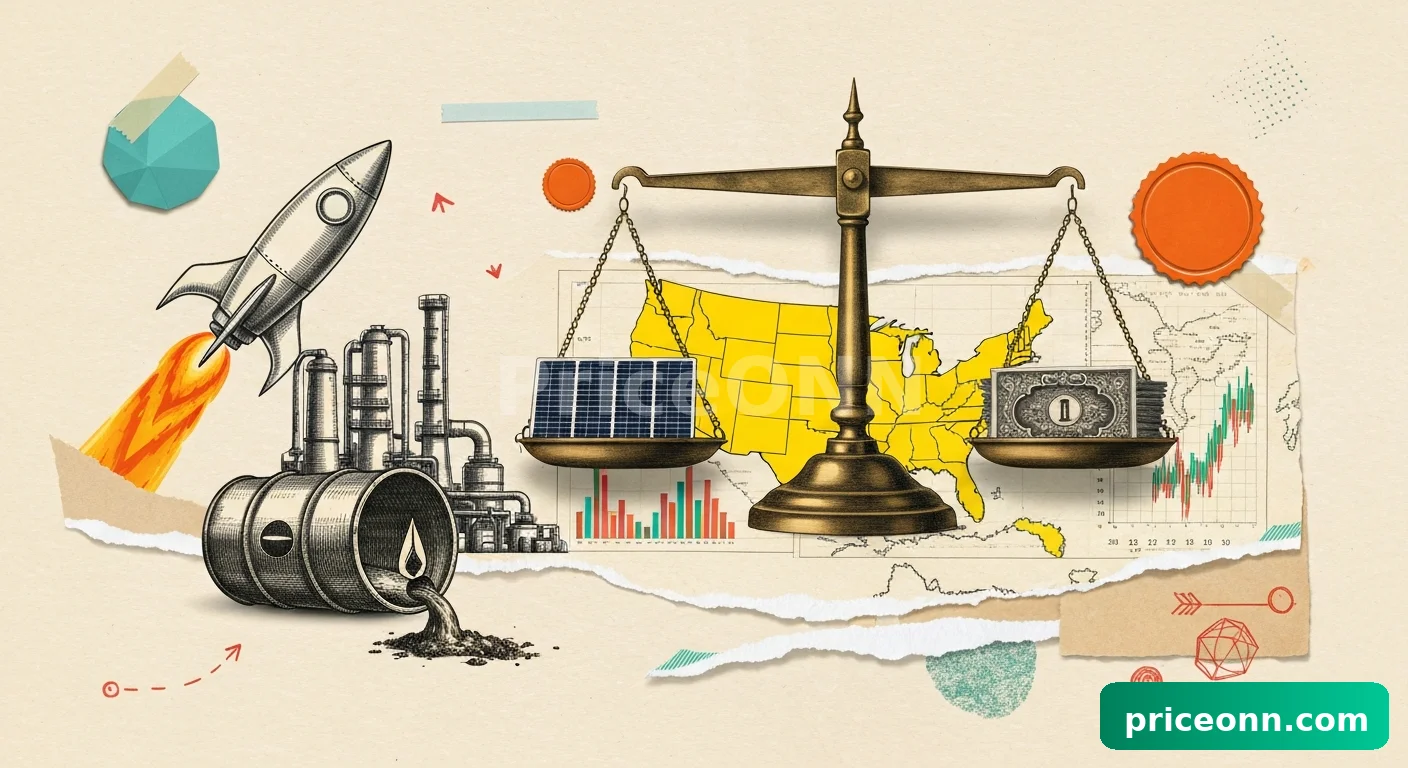
A curious divergence is unfolding in the American energy sector, where a strong push for renewable energy, particularly solar power, is gaining momentum despite explicit political headwinds. While the current presidential administration has consistently voiced skepticism towards green energy, framing it as a threat to national security and an economic burden, market data and on-the-ground developments reveal a powerful counter-trend.
Executive orders aimed at bolstering fossil fuel production and restricting renewable energy development have been a notable feature of the current political landscape. However, these directives appear to be facing significant resistance from both market forces and a substantial segment of the electorate. Reports indicate that voter support for solar and wind projects remains robust across a wide political spectrum, suggesting that the administration's stance is not universally mirrored.
Market Context: A Renewed Push for Solar
The narrative surrounding solar energy's growth is particularly striking given the persistent criticism from the nation's highest office. Statements have repeatedly highlighted concerns that the rapid expansion of wind and solar energy could lead to an unstable and costly electricity grid. This sentiment has been accompanied by policy shifts, including stricter federal permitting processes for renewable projects and executive orders designed to curtail or repeal tax incentives that have historically supported solar and wind development. The stated justifications often revolve around the perceived unreliability of these sources, dependence on foreign supply chains, and concerns about environmental impacts.
Analysis & Drivers: Economic Incentives Trump Political Rhetoric
Despite the political rhetoric, the economic underpinnings of solar energy expansion appear to be a formidable driving force. Industry analysts note that the growth observed in both traditionally liberal and conservative states is significantly influenced by the economic benefits fostered by legislation like the 2022 Inflation Reduction Act. This act has demonstrably stimulated investment and job creation within the renewable energy sector, making solar projects attractive even in regions that might otherwise be ideologically opposed.
Data indicates a notable surge in solar installations in states that might be considered politically conservative. For instance, reports from industry associations show a marked increase in new solar capacity coming online in states like Texas and Florida, which are not typically considered leaders in renewable energy policy. This trend suggests that the economic advantages, such as lower energy costs for consumers and new revenue streams for landowners through solar farms, are outweighing political opposition.
Furthermore, the declining cost of solar technology itself is playing a crucial role. Market data shows that the levelized cost of energy (LCOE) for utility-scale solar photovoltaic (PV) projects has fallen dramatically over the past decade, making it increasingly competitive with, and in many cases cheaper than, traditional fossil fuel power generation. This economic reality is a powerful catalyst for adoption, regardless of political affiliation.
Trader Implications: Shifting Investment Landscape
For traders and investors, this divergence presents both opportunities and risks. The continued expansion of solar power, particularly in unexpected regions, suggests that companies involved in solar panel manufacturing, installation, and project development could see sustained demand. Investors looking at the energy sector might consider focusing on companies with a strong presence in these growing solar markets.
Key levels to watch include solar installation permit approvals and the performance of renewable energy ETFs. While political uncertainty remains a factor, the economic viability and increasing voter support for solar projects are likely to provide a floor for the sector. Traders should monitor regional energy demand and pricing trends, as the integration of more solar capacity could impact wholesale electricity prices and the profitability of traditional power generators.
The implication for energy markets is a gradual but significant shift in the supply mix. As solar generation becomes a larger component, it could influence the demand for natural gas and other fossil fuels used for peak load generation. This dynamic could create trading opportunities in related commodities and energy futures contracts.
Outlook: Continued Growth Expected
Looking ahead, the momentum behind solar energy adoption in the United States is expected to continue. The economic incentives remain strong, and the technology continues to improve in efficiency and affordability. While political rhetoric may persist, the tangible economic benefits and growing public acceptance suggest that solar power will play an increasingly vital role in the nation's energy mix. Traders and investors should anticipate further growth, particularly in states that are embracing the economic opportunities presented by the solar boom, potentially leading to new investment horizons and evolving market dynamics.
Frequently Asked Questions
Which states are seeing the biggest solar growth despite political opposition?
Traditionally conservative states such as Texas and Florida are experiencing significant solar growth. Market data indicates a substantial increase in new solar capacity installations in these regions, driven by economic factors rather than political mandates.
What is driving the solar energy boom in the US?
The primary drivers are the economic benefits spurred by legislation like the 2022 Inflation Reduction Act and the declining levelized cost of energy (LCOE) for solar technology, making it increasingly competitive with traditional energy sources.
What should traders watch for in the solar energy sector?
Traders should monitor solar installation permit approvals, the performance of renewable energy Exchange Traded Funds (ETFs), and regional energy pricing trends. These indicators can signal future demand and impact related energy commodities.
Track markets in real-time
Empower your investment decisions with AI-powered analysis, technical indicators and real-time price data.
Join Our Telegram Channel
Get breaking market news, AI analysis and trading signals delivered instantly to your Telegram.
Join Channel


PriceONN