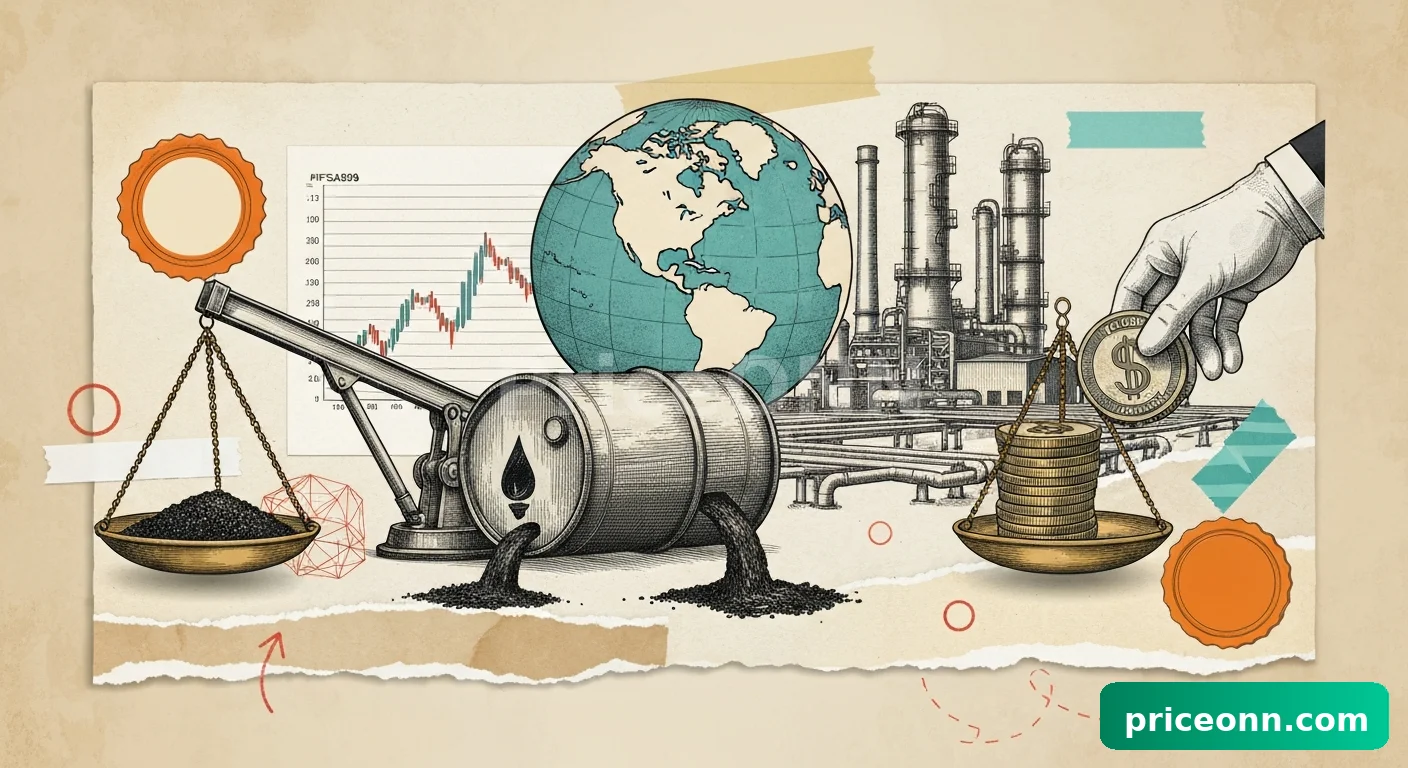
WTI hovers around 98.00 due to persistent Middle East supply concerns

Global Supply Jitters Bolster Oil Prices
Crude oil markets are experiencing sustained upward pressure, with West Texas Intermediate (WTI) futures holding their ground around the $98.10 per barrel threshold. This resilience, observed during early trading in Asia, stems directly from ongoing anxieties surrounding supply stability originating from the Middle East. These geopolitical undercurrents are proving a potent force, overriding typical market dynamics and keeping prices elevated.
The intricate dance of global oil pricing is fundamentally governed by the perpetual push and pull between supply and demand. Factors such as the pace of global economic expansion directly influence demand; robust growth typically fuels a greater appetite for energy, while economic slowdowns can dampen it. Conversely, disruptions to supply chains, whether triggered by political instability, international conflicts, or economic sanctions, can dramatically impact availability and, consequently, prices. The strategic production decisions made by the Organization of the Petroleum Exporting Countries (OPEC) and its allies also play a critical role, acting as a significant lever on global oil output and market sentiment.
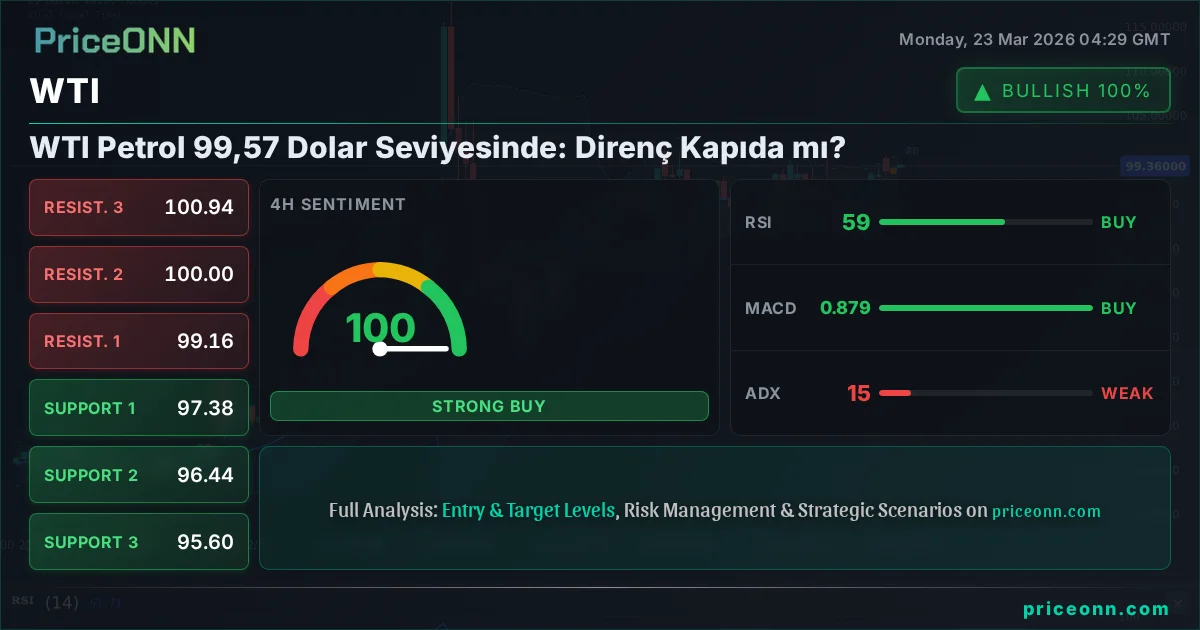
Furthermore, the prevailing strength of the US Dollar often correlates inversely with oil prices. As crude oil is predominantly denominated in dollars, a weaker greenback renders the commodity more accessible and affordable for holders of other currencies, potentially boosting demand and driving prices higher. Conversely, a strengthening dollar can exert downward pressure.
Unpacking the Weekly Inventory Pulse
The weekly drumbeat of oil inventory reports from the American Petroleum Institute (API) and the Energy Information Administration (EIA) provides crucial real-time data on the supply and demand balance. These releases offer a snapshot of how much crude is being stored across the United States. A notable decline in these stockpiles can signal robust demand or constrained supply, often leading to upward price adjustments. Conversely, an unexpected build in inventories might suggest weaker demand or oversupply, potentially pressuring prices lower.
Historically, the API releases its findings each Tuesday, with the EIA following suit the next day. While their reported figures tend to align closely, with variations typically within 1% about three-quarters of the time, the EIA's data is generally regarded as the more authoritative due to its governmental status. These reports are keenly watched by traders and analysts alike, serving as a key indicator of immediate market conditions.
OPEC's Shadow Over Market Dynamics
The Organization of the Petroleum Exporting Countries (OPEC), a cartel of 12 major oil-producing nations, wields significant influence through its biannual meetings where production quotas are meticulously set. Their collective decisions can directly shape global supply levels and, by extension, WTI's price trajectory. When OPEC opts to curtail production, it tightens the global supply, often precipitating a rise in oil prices. An increase in output quotas, on the other hand, tends to have the opposite effect, potentially leading to price moderation.
The scope of OPEC's influence has expanded with the formation of OPEC+, which incorporates ten additional non-OPEC countries, notably Russia. This broader alliance amplifies the group's ability to manage global oil markets, making their pronouncements and policy shifts critical focal points for market participants worldwide.
Market Ripple Effects
The sustained strength in crude oil prices, driven by Middle East supply concerns, creates a complex web of implications across various financial instruments and economies. Traders are closely monitoring the potential for further price escalation, which could reignite inflationary pressures globally. This scenario directly impacts central bank policy, potentially leading to more aggressive interest rate hikes in economies heavily reliant on energy imports, such as those in Europe and Japan.
The US Dollar Index (DXY) could see renewed strength if higher energy costs contribute to a perception of persistent inflation, prompting more hawkish stances from the Federal Reserve. Conversely, countries with significant oil export revenues, like Canada and Norway, may benefit from higher prices, potentially strengthening their respective currencies, the CAD and NOK. Equity markets, particularly the energy sector, are likely to see continued outperformance, while sectors sensitive to consumer spending and higher input costs, such as airlines and manufacturing, could face headwinds. Investors should remain vigilant for shifts in geopolitical risk premiums and monitor inventory data closely for any signs of demand destruction or unexpected supply resolutions.
Track markets in real-time
Empower your investment decisions with AI-powered analysis, technical indicators and real-time price data.
Join Our Telegram Channel
Get breaking market news, AI analysis and trading signals delivered instantly to your Telegram.
Join Channel