
Why Did WTI Oil Surge Past $100 on Geopolitical Tensions?
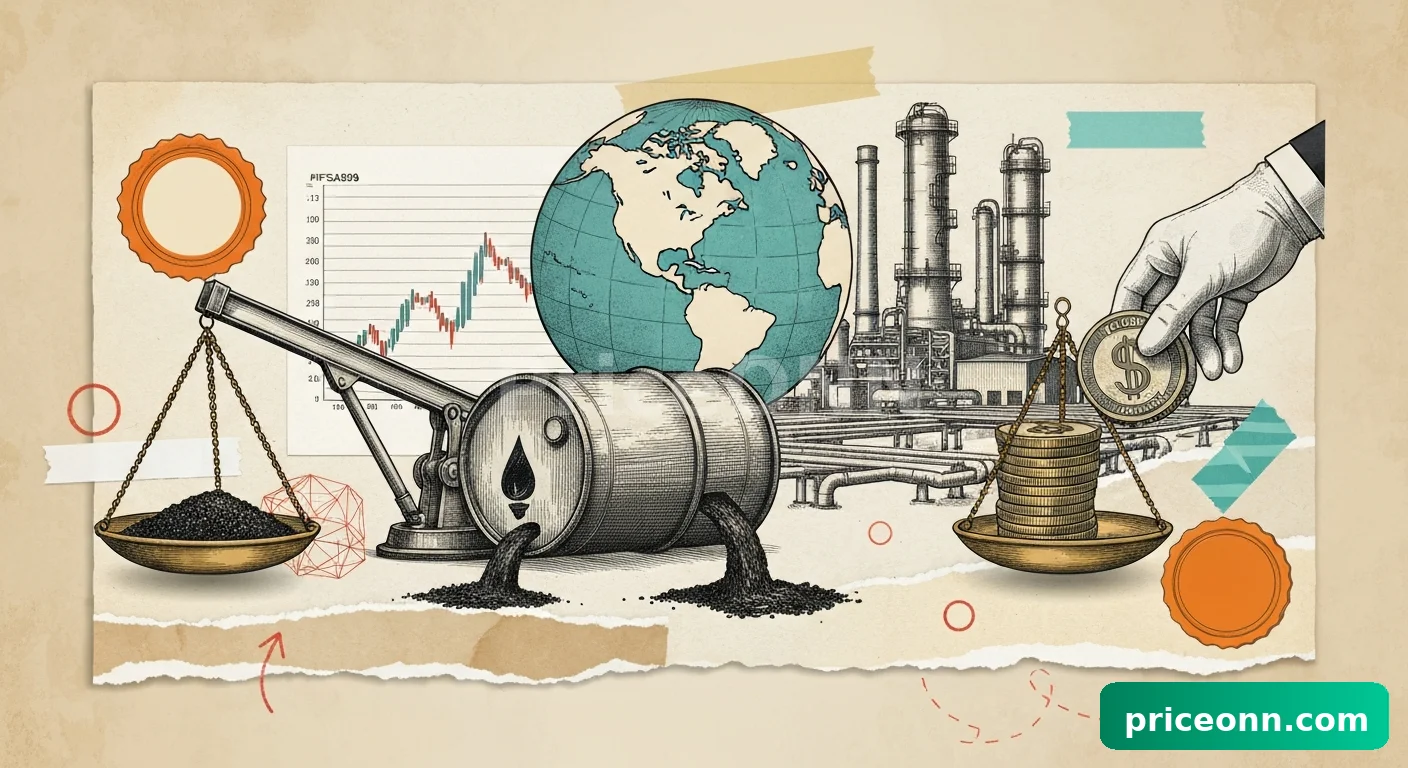
West Texas Intermediate (WTI) crude oil futures opened the trading week with a significant rally, climbing past the $100 per barrel level. This surge extended a strong 3.5% advance recorded on Friday, underscoring the market's heightened sensitivity to escalating global geopolitical developments.
Market Context and Recent Price Action
The price of WTI, a critical benchmark for global oil pricing known for its light, sweet crude characteristics and reliance on the Cushing, Oklahoma hub, has been directly impacted by a confluence of factors. The recent upward momentum is a clear signal that market participants are factoring in increased global instability. This benchmark's valuation is intrinsically tied to the fundamental interplay of supply and demand, but its trajectory can be dramatically altered by non-economic events.
Analysis and Drivers of the Price Surge
The primary catalyst for this sharp ascent appears to be heightened geopolitical tensions. While specific details remain fluid, market data indicates that concerns over potential supply disruptions stemming from international conflicts or political instability are driving prices higher. The historical precedent shows that such events, even those not directly impacting major oil-producing regions, can trigger significant price volatility as traders price in risk premiums. Furthermore, the decisions of the Organization of the Petroleum Exporting Countries (OPEC) and its allies remain a constant influence on supply dynamics. Any perceived tightening of global supply, whether through strategic production cuts or external disruptions, typically fuels upward price pressure.
The strength of the US Dollar also plays a role, albeit indirectly. As oil is denominated in dollars, a weaker dollar generally makes crude more affordable for holders of other currencies, potentially boosting demand and, consequently, prices. Conversely, a strong dollar can exert downward pressure. Weekly inventory reports from the American Petroleum Institute (API) and the Energy Information Administration (EIA) are closely watched. Declining crude stockpiles often signal robust demand, providing further support to prices.
Trader Implications and Key Levels
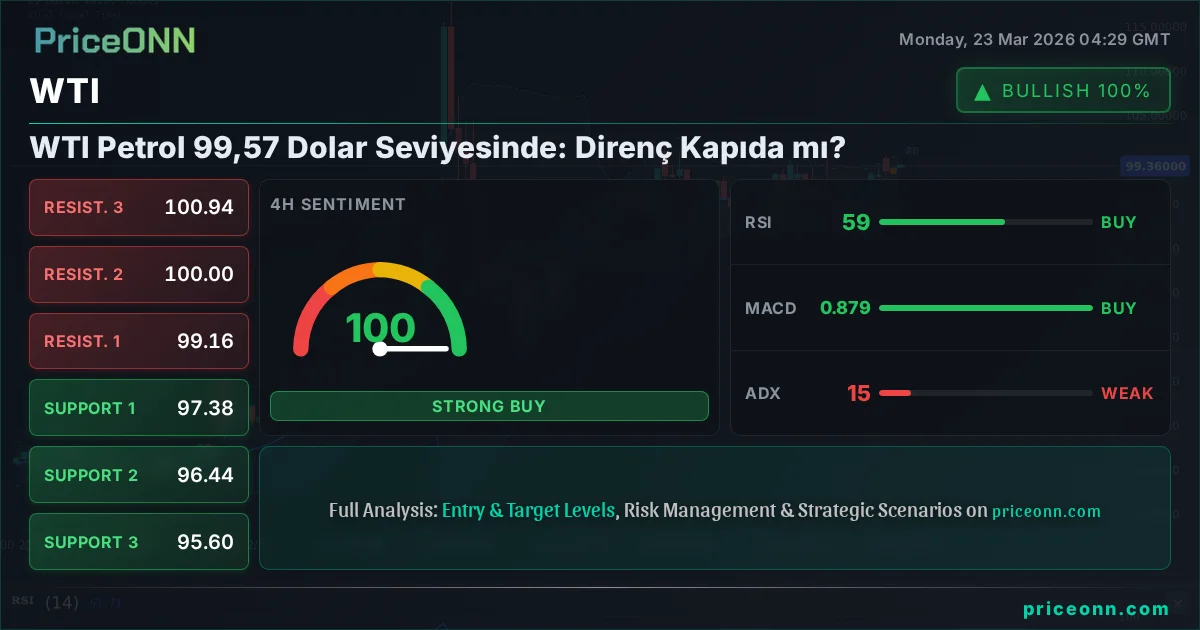
For traders, the breach of the $100 psychological level is a significant technical development. Key support is now likely to be found around this mark, with immediate resistance potentially forming near the recent highs. The current market sentiment suggests a risk-on appetite for oil, driven by fear of supply shortages rather than purely economic demand indicators. Traders should closely monitor geopolitical headlines for any further escalations or de-escalations, as these will likely dictate short-term price direction. Additionally, upcoming inventory data will be crucial for assessing the underlying supply-demand balance. A sustained move above $100 could signal a broader bullish trend, while a failure to hold this level might indicate profit-taking or a reassessment of geopolitical risks.
Outlook
The immediate outlook for WTI remains heavily influenced by geopolitical headlines. Should tensions continue to simmer or escalate, the commodity could see further upward pressure, potentially testing higher resistance levels. Conversely, any signs of de-escalation or resolution could lead to a retracement as the risk premium is unwound. Traders will be looking for confirmation from technical indicators and inventory data to gauge the sustainability of the current move. The market's reaction to the $100 level as either support or resistance will be a critical determinant of price action in the coming days.
Frequently Asked Questions
What caused WTI crude oil to break above $100?
WTI oil surged past $100 per barrel primarily due to escalating geopolitical tensions and fears of potential supply disruptions. This rise extended a 3.5% gain from the previous trading session, indicating a market prioritizing perceived instability risks.
What are the key support and resistance levels for WTI following this surge?
The $100 per barrel mark has become a significant psychological level and is now expected to act as immediate support. Traders will be watching for any potential resistance to form near recent highs, as the market assesses the sustainability of this breakout.
What should traders watch for to predict WTI's next move?
Traders should closely monitor geopolitical developments for any shifts in tension, as these are the primary drivers of current price action. Additionally, upcoming API and EIA inventory reports will be crucial for understanding the underlying supply and demand fundamentals.
Track markets in real-time
Empower your investment decisions with AI-powered analysis, technical indicators and real-time price data.
Join Our Telegram Channel
Get breaking market news, AI analysis and trading signals delivered instantly to your Telegram.
Join Channel
PriceONN