Trump’s Iran Uranium Dilemma Raises Stakes for Oil Markets
Geopolitical Chess: Securing Iran's Nuclear Ambitions
A stark strategic quandary confronts global powers: Iran's accumulating enriched uranium demands a definitive containment strategy, a goal that aerial bombardments have thus far failed to achieve. The most direct path to assert control appears to involve ground forces, a move fraught with the peril of escalating regional tensions to unprecedented levels. This pervasive uncertainty has begun to seep into the fabric of worldwide energy markets.
While crude benchmarks have retreated from their most recent apexes, they persist at elevated levels, a clear reflection of the ongoing instability in the Middle East. European nations have largely shied away from committing to military interventions to safeguard the vital Strait of Hormuz. Meanwhile, U.S. leadership continues to deliberate the profound implications of deploying American troops within Iran to secure its enriched uranium reserves.
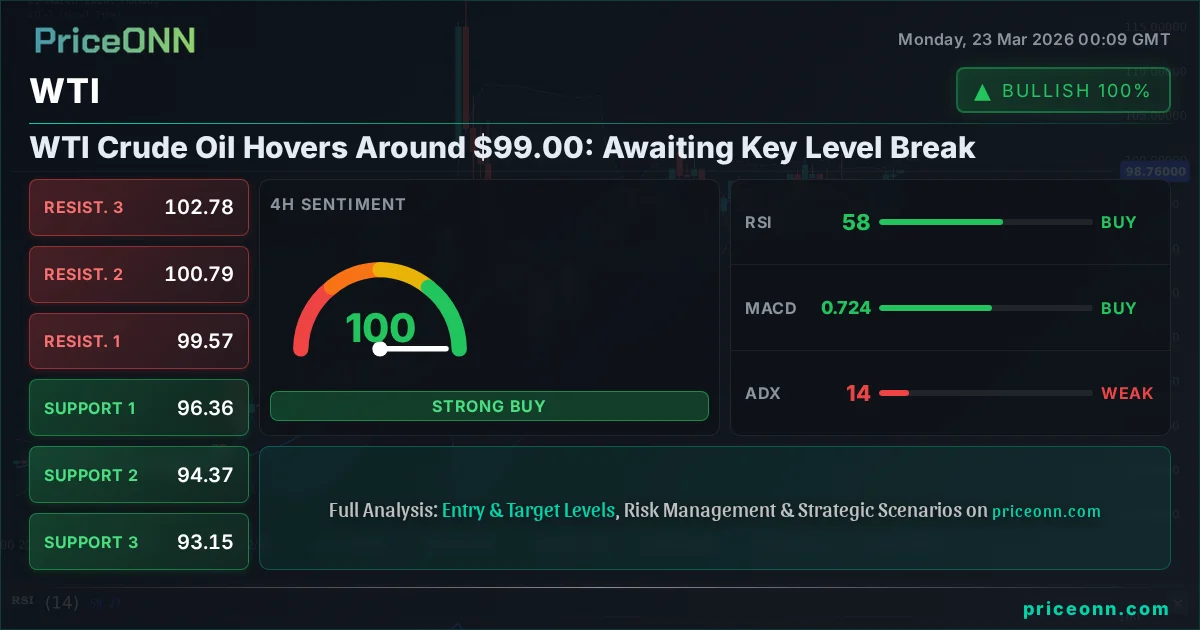
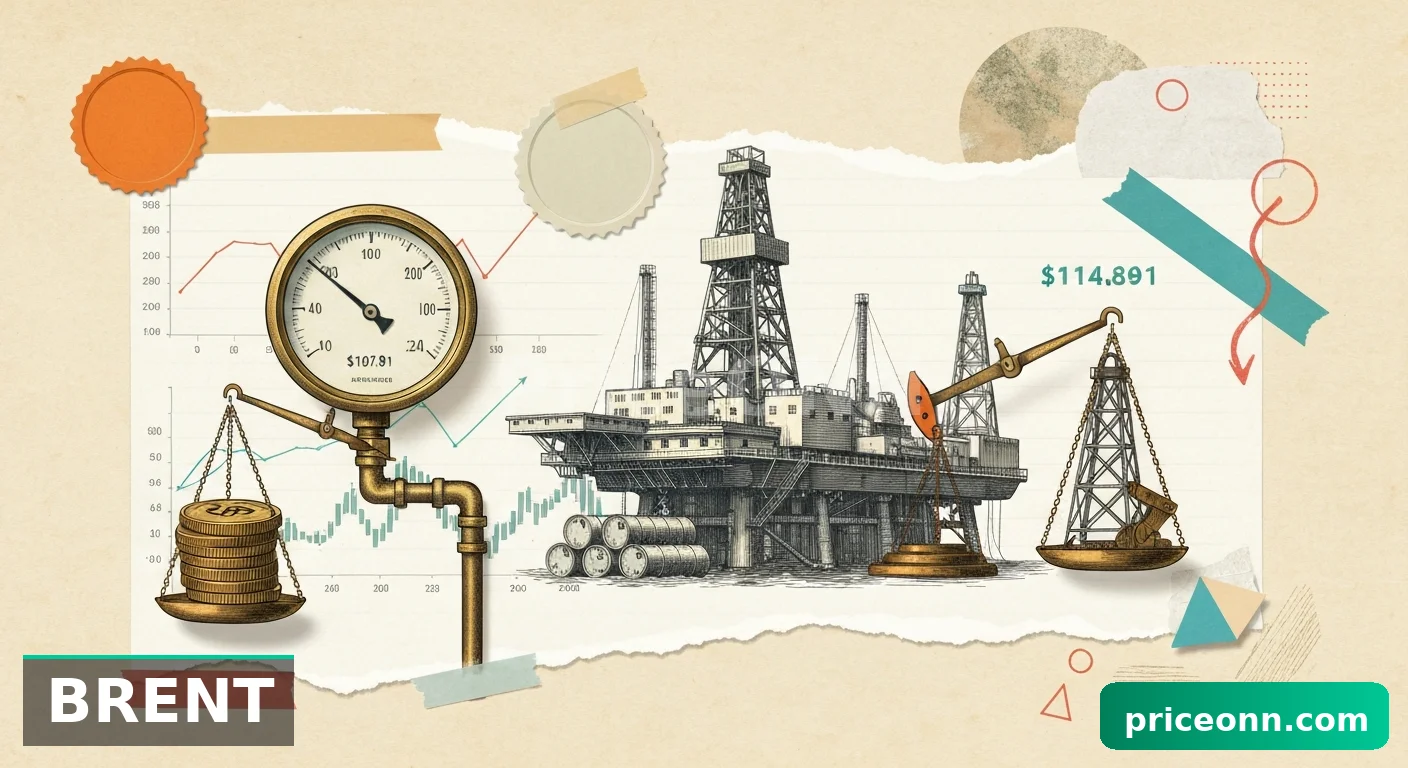
As of 8:10 pm ET, Brent crude for May delivery was trading at $112.02 per barrel, a notable dip from Thursday's high exceeding $118. The West Texas Intermediate (WTI) crude contract for the same period changed hands at $98.32 per barrel, down from its Thursday high of $101.
International Hesitation and Diplomatic Standoff
On Thursday, a joint declaration from the United Kingdom, France, Germany, Italy, the Netherlands, and Japan condemned Iran's aggressive actions against commercial shipping, stating their readiness to "contribute to appropriate efforts to ensure safe passage through the Strait of Hormuz." However, this statement stopped short of concrete commitments to a specific, U.S.-led security initiative.
It is significant that Germany, Italy, and Greece had previously signaled their refusal to dispatch naval assets to join a U.S. military operation in the Gulf. Their stance has been that the conflict does not fall within their direct purview and that they were not adequately consulted. Furthermore, European Union foreign ministers have confirmed that their current "Aspides" naval mission, operating in the Red Sea, will not be extended into the Strait of Hormuz, with indications suggesting a lack of appetite to broaden the mission's scope.
In a public statement, President Trump sharply criticized Europe's reluctance to support a Gulf security mission, labeling them "cowards." He articulated on his Truth Social platform, "Now that fight is militarily WON, with very little danger for them, they complain about the high oil prices they are forced to pay, but don’t want to help open the Strait of Hormuz, a simple military maneuver that is the single reason for the high oil prices. So easy for them to do, with so little risk."
The Weight of Decision: Troops or Tensions?
The ultimate decision now rests with President Trump regarding the potential deployment of U.S. ground troops to secure Iran's enriched uranium stockpile. This represents one of the most consequential and contentious choices of the ongoing geopolitical crisis. The stated objective of the Trump administration remains the prevention of a nuclear-armed Iran, yet the President is now navigating a complex intersection between ambitious containment goals and the desire to minimize costs and avoid protracted regime-change warfare.
Estimates suggest Iran possesses approximately 970 pounds of enriched uranium, a quantity sufficient to construct up to 10 nuclear weapons. A substantial portion of this material is reportedly housed in underground facilities targeted by previous U.S. strikes.
While President Trump publicly stated on Thursday that he was not considering deploying troops to Iran, he cryptically added that such a move would not be pre-announced if it were to occur. Conversely, sources within the administration suggest that deploying special forces to secure near-bomb-grade uranium remains an active option under serious consideration.
Expert assessments indicate that the extraction or dilution of this enriched material would likely necessitate a force exceeding 1,000 troops per site. However, any such deployment would face considerable practical and political hurdles. Director of National Intelligence Tulsi Gabbard testified on Wednesday that U.S. and Israeli airstrikes have already devastated Iran's enrichment program, burying underground facilities under rubble, thereby presenting a physically formidable challenge for any recovery mission.
The path forward also faces potential congressional opposition. Many lawmakers contend that such a significant escalation would require formal authorization from the U.S. Congress, despite the administration's assertion of executive authority. Interestingly, this issue does not divide neatly along party lines. Senator Rick Scott (R Florida) has underscored the untenable situation of allowing the stockpile to remain with Iranian hardliners, while Senator Richard Blumenthal (D Connecticut) argues that securing the uranium is impossible without a physical presence.
Public sentiment appears largely against such a military mission. A recent YouGov poll revealed a net approval rating of -20 for President Trump's handling of the Iran situation, with 56% disapproving and only 36% approving, marking it as the least popular major American conflict in nearly a century.
Market Ripple Effects
Concerns are mounting regarding the potential for oil prices to surge to previously unseen levels. Analysts at Wood Mackenzie project that crude could approach $200 per barrel if the Strait of Hormuz experiences a sustained blockage. Further underscoring the supply shock, Standard Chartered estimates that the ongoing Middle East conflict has already reduced global oil supply by an estimated 7.4 to 8.2 million barrels per day. The recent pledge by 32 International Energy Agency (IEA) members to release 400 million barrels over 12 months would only offset approximately 1.1 million barrels per day of this shortfall, potentially leaving global markets facing a substantial deficit.
Track markets in real-time
Empower your investment decisions with AI-powered analysis, technical indicators and real-time price data.
Join Our Telegram Channel
Get breaking market news, AI analysis and trading signals delivered instantly to your Telegram.
Join Channel