
Will Nuclear Power Fill the Gap as Oil and Gas Prices Soar?
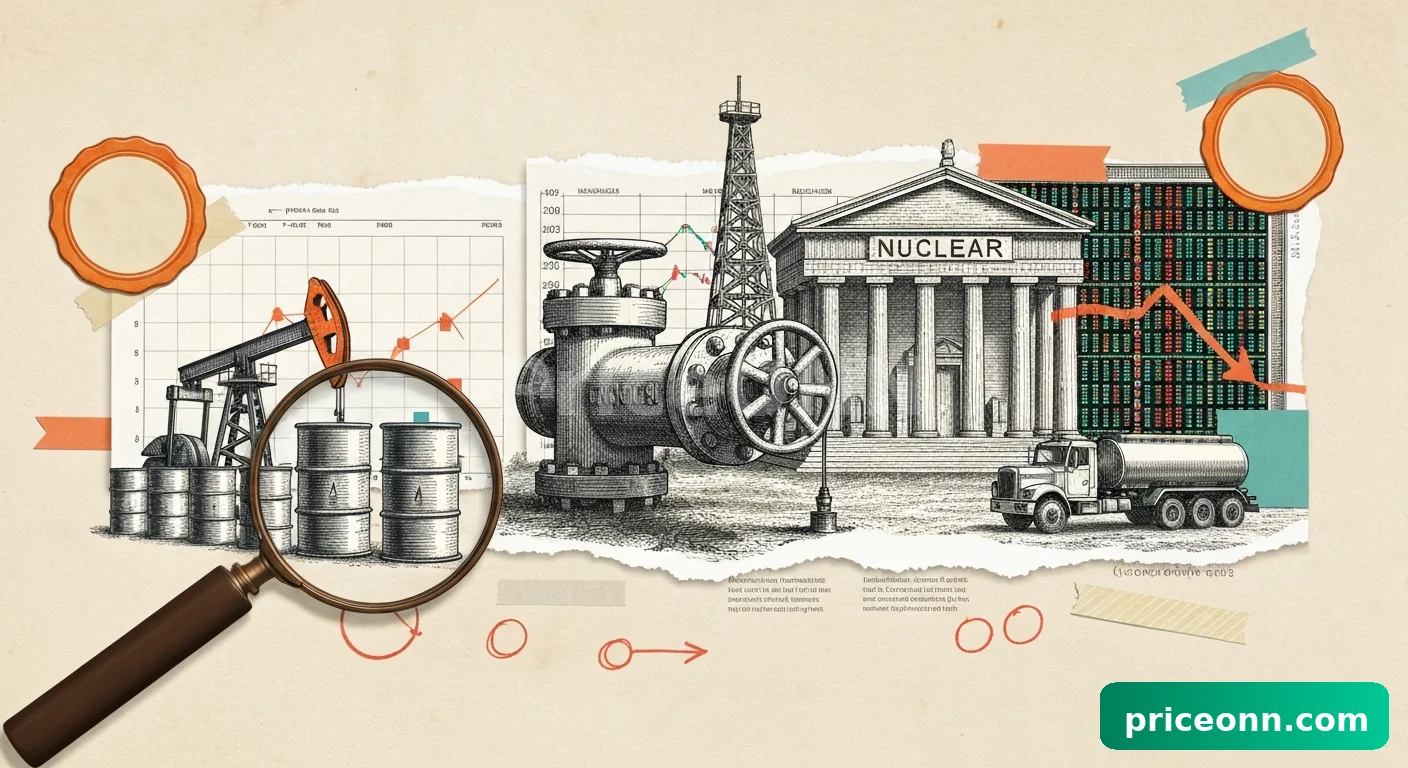
Global energy markets are experiencing a notable resurgence in interest for nuclear power. This comes as a direct response to the ongoing volatility in oil and gas prices, exacerbated by geopolitical tensions, particularly in the Middle East. Nuclear energy is being recognized anew as a critical component for stable, low-emission baseload power generation.
Market Context: The Nuclear Comeback Amidst Energy Scarcity
The current global energy landscape, marked by a significant crunch in oil and gas supplies, is accelerating a strategic re-evaluation of energy sources. This has brought nuclear power back into the spotlight as a reliable and affordable low-carbon alternative. Despite past hesitations and phase-out policies in some regions, leaders are now acknowledging the strategic importance of nuclear energy. Earlier this month, a prominent European leader stated at a nuclear energy summit that turning away from a dependable, low-emission power source was a "strategic mistake." This admission signals a significant policy shift, with commitments being made to advance nuclear technologies, including a substantial investment towards innovative solutions like small modular reactors (SMRs).
Analysis & Drivers: Geopolitics and Emissions Drive Nuclear Demand
The primary drivers behind the renewed focus on nuclear power are multifaceted. Geopolitical instability in key energy-producing regions has directly impacted oil and gas supply chains, leading to price spikes and concerns over energy security. This has spurred nations to seek more predictable and domestically controllable energy sources. Furthermore, the global imperative to reduce carbon emissions in line with climate goals makes nuclear energy an attractive option, offering significant low-carbon baseload power without the intermittency issues of some renewables.
Industry reports indicate that this crisis is accelerating structural shifts toward nuclear expansion. Countries like Japan and South Korea, despite having relatively limited direct exposure to the immediate geopolitical flare-up, are increasingly looking towards nuclear power for long-term energy security. While new large-scale nuclear plants involve lengthy construction periods, the potential to bring existing capacity back online, particularly in Japan, is being explored. The development and deployment of SMRs are also gaining traction, though their practical implementation is proving to be a complex undertaking.
Trader Implications: Shifting Investment and Supply Dynamics
For energy traders, the evolving landscape presents several key implications. The increased reliance on nuclear power suggests a potential stabilization or even reduction in demand volatility for oil and gas in the long term, particularly for baseload power generation. However, in the short term, coal is expected to serve as a bridging fuel, potentially leading to increased coal prices and trading opportunities. Traders should monitor announcements regarding the reactivation of existing nuclear facilities and the progress of SMR development, as these could signal future shifts in energy infrastructure investment.
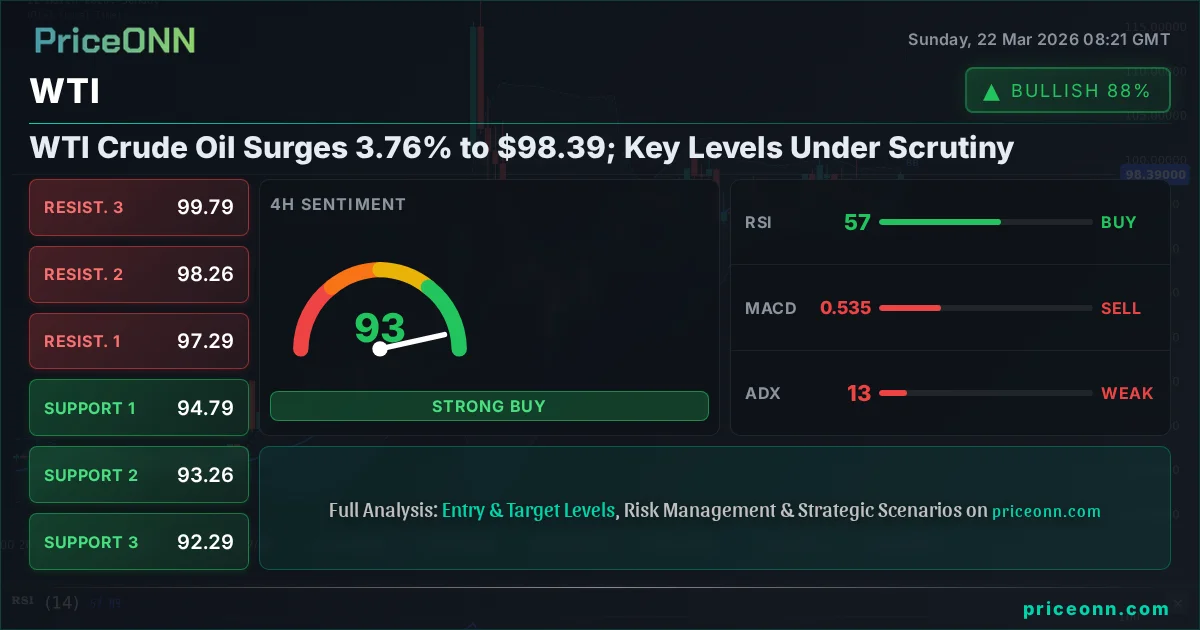
Key levels to watch will include the price action in crude oil benchmarks like Brent and WTI, which may see reduced upward pressure if nuclear capacity expansion gains momentum. Conversely, companies involved in uranium mining and nuclear fuel processing could see increased investor interest. The strategic importance of localized clean energy supply chains is also a factor, potentially benefiting domestic energy producers and technology providers.
The outlook suggests that while the immediate energy gap might be filled by coal, the strategic pivot towards nuclear power signifies a long-term structural change. Investors and traders should position themselves to capitalize on the growing demand for nuclear-related assets and the evolving dynamics of the global energy mix. The emphasis on energy security and carbon reduction will likely keep nuclear power at the forefront of energy policy discussions and investment decisions for the foreseeable future.
Frequently Asked Questions
What is the main reason for the renewed interest in nuclear energy?
The primary driver is the global crunch in oil and gas supplies, coupled with geopolitical instability, which has highlighted the need for reliable and low-emission baseload power. This has led to a re-evaluation of nuclear energy's role in energy security and decarbonization efforts.
How quickly can nuclear power address current energy shortages?
While existing nuclear capacity can be brought back online, building new nuclear plants, including SMRs, involves lengthy development timelines, often spanning several years. In the short term, coal is expected to bridge the supply gap.
What are the implications for energy traders in the short to medium term?
Traders should watch for potential price increases in coal as a bridging fuel. Companies involved in uranium mining and nuclear technology development may see increased investor interest. The long-term trend suggests a strategic shift, potentially impacting oil and gas demand for baseload power.
Track markets in real-time
Empower your investment decisions with AI-powered analysis, technical indicators and real-time price data.
Join Our Telegram Channel
Get breaking market news, AI analysis and trading signals delivered instantly to your Telegram.
Join Channel



PriceONN