Saudi Aramco cuts Asia oil supply for second month in April

Global Oil Flows Tighten as Key Supplier Curtails Exports
The world's largest oil exporter, Saudi Aramco, has signaled a further reduction in its crude oil shipments to Asian markets for April. This marks the second consecutive month that Asian refiners will receive less Saudi crude, a decision that underscores the delicate balance of global energy supply chains.
This curtailment arrives as tensions simmer in the Middle East, particularly concerning trade through the vital Strait of Hormuz. Disruptions in this critical chokepoint inevitably ripple through the international oil trade, prompting major producers to adjust their export strategies.
Understanding West Texas Intermediate’s Market Dynamics
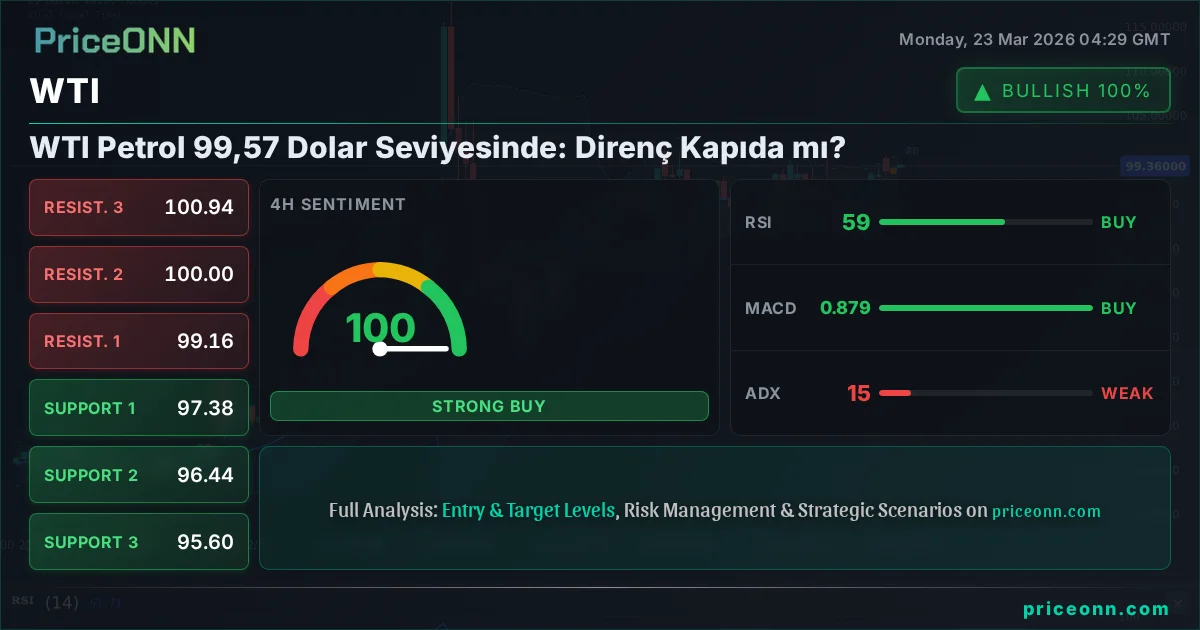
To grasp the full implications, it’s essential to understand the benchmarks that shape oil pricing. West Texas Intermediate, or WTI, is a primary U.S. crude oil grade. Often termed 'light' and 'sweet' due to its low density and minimal sulfur content, WTI is highly valued for its ease of refining into gasoline and other products.
Sourced within the United States and flowing through the pivotal Cushing, Oklahoma hub – famously known as 'The Pipeline Crossroads of the World' – WTI serves as a crucial benchmark. Its price is a constant fixture in financial news, reflecting broader market sentiment and physical supply-demand realities.
Key Influences on WTI Pricing
Like all commodities, WTI oil prices are fundamentally driven by the interplay of supply and demand. Robust global economic expansion typically fuels higher demand for energy, pushing prices upward. Conversely, economic slowdowns tend to dampen demand and pressure prices lower.
Geopolitical events, including conflicts, wars, and international sanctions, can severely disrupt the flow of oil, creating sudden price spikes or drops. The strategic decisions made by the Organization of the Petroleum Exporting Countries (OPEC) and its allies (OPEC+) also play a significant role. When OPEC+ agrees to production cuts, it can constrict global supply, often leading to higher prices. Conversely, increased output from these major producers tends to depress prices.
The financial landscape also impacts oil. Since crude oil is predominantly traded in US Dollars, fluctuations in the dollar's value have a direct effect. A weaker dollar generally makes oil more affordable for holders of other currencies, potentially boosting demand and price. A stronger dollar can have the opposite effect.
Inventory Data and Market Signals
A critical, yet often overlooked, indicator for WTI traders is the weekly inventory report. Published by the American Petroleum Institute (API) on Tuesdays and the Energy Information Administration (EIA) the following day, these reports detail crude oil and product stockpiles in the United States. The EIA data, being from a government agency, is generally regarded as the more authoritative source.
A decline in reported inventories often signals robust demand or supply disruptions, which can propel oil prices higher. An increase in stockpiles, however, might suggest weaker demand or an oversupply, potentially leading to price declines. The close correlation between API and EIA figures, usually within 1% of each other most weeks, provides a consistent signal for market participants.
Market Ripple Effects
The decision by Saudi Aramco to trim exports for a second consecutive month, driven by geopolitical concerns, sends a clear signal about the market's sensitivity to supply disruptions. While the immediate impact is felt by Asian refiners facing tighter feedstock, the broader implications extend to global energy markets and related financial instruments.
Traders and investors should monitor several key areas. Firstly, the persistent geopolitical risks in the Middle East, particularly around the Strait of Hormuz, remain a critical factor. Any escalation could lead to further supply shocks, potentially driving crude oil prices higher. This situation also casts a shadow over global inflation expectations, as energy costs are a primary driver.
Secondly, the strategic decisions of OPEC+ become even more important in this environment. With a major supplier like Saudi Arabia signaling tighter supply, the group's production policy will be closely scrutinized. Any deviation from planned output could exacerbate market volatility.
For portfolio considerations, the direct impact is on energy producers and refiners, who may face higher input costs or benefit from elevated product prices, respectively. Indirectly, this tightening supply environment could bolster demand for alternative energy sources and influence currency pairs like USD/CAD, given Canada's significant oil production. Furthermore, central banks might find their inflation-fighting efforts complicated by sustained high energy prices, potentially affecting interest rate expectations and bond markets.
Track markets in real-time
Empower your investment decisions with AI-powered analysis, technical indicators and real-time price data.
Join Our Telegram Channel
Get breaking market news, AI analysis and trading signals delivered instantly to your Telegram.
Join Channel