
Will Iran Tensions Send Oil Prices Past $100 as Strait of Hormuz Deadline Looms?

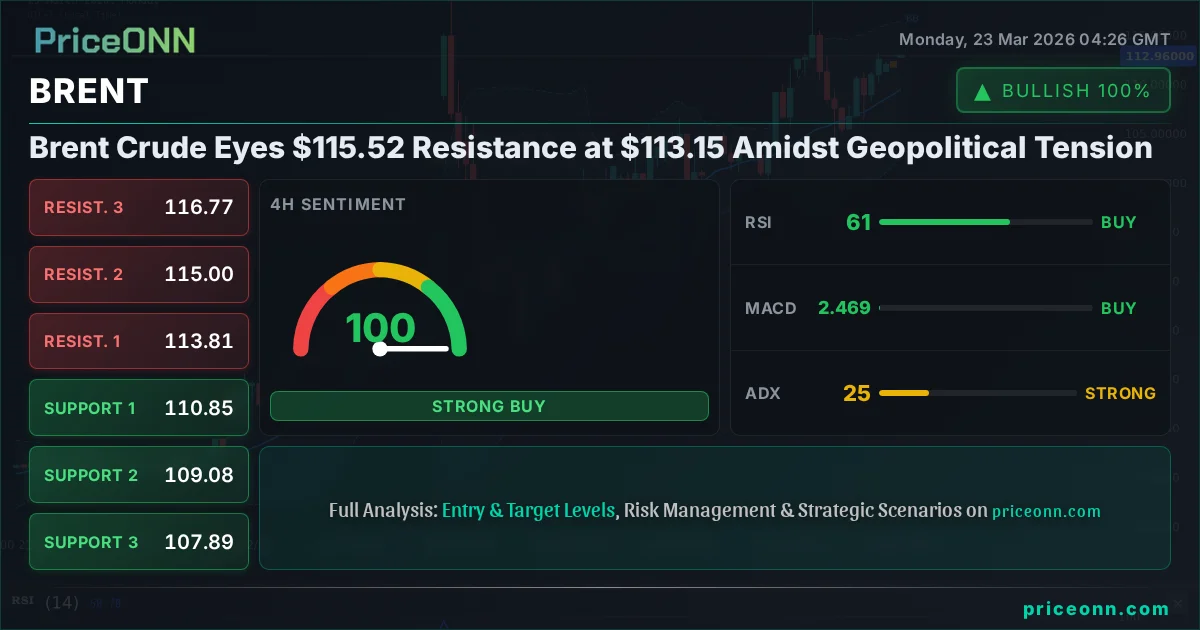
Oil markets are navigating a precarious landscape, with prices hovering near multi-year peaks as geopolitical tensions between the United States and Iran intensify. Early Asian trading on Monday saw West Texas Intermediate (WTI) crude quoted at $98.61, a 0.39% increase, while Brent crude traded at $111.90, down 0.24%. These seemingly minor fluctuations mask a brewing storm of uncertainty, as market participants anticipate significant volatility ahead of a critical U.S. ultimatum deadline concerning the Strait of Hormuz.
Market Context: Geopolitical Flashpoint and Supply Adjustments
The current market unease stems from a stark ultimatum issued by U.S. President Trump late Saturday. The demand for the immediate and complete reopening of the Strait of Hormuz within 48 hours, coupled with threats of severe repercussions against Iran's power infrastructure, has ignited a firestorm. Iran's response has been equally defiant, signaling potential retaliatory strikes against regional energy assets and even financial institutions supporting U.S. military actions. This high-stakes standoff, with its expiration set for late Monday U.S. time, has significantly heightened the risk premium in oil prices.
Adding to the supply-side pressures, Saudi Aramco, the world's largest oil exporter, has confirmed a second consecutive month of crude supply cuts to Asian buyers for April. This decision, while not directly linked to the immediate U.S.-Iran confrontation, exacerbates the tightness in global oil flows, particularly impacting key Asian refiners and underscoring the fragility of energy supply chains in the face of regional instability.
Analysis & Drivers: Escalation Fears and Strategic Supply Moves
The primary driver for potential upside in oil prices is the escalating geopolitical risk associated with the Iran situation. The Strait of Hormuz is a critical chokepoint, responsible for the transit of a significant portion of global oil supply. Any disruption, or even the credible threat of one, can lead to sharp price increases due to fears of supply scarcity. The direct ultimatum and Iran's forceful response suggest a scenario where de-escalation is not guaranteed, potentially pushing crude prices well beyond current levels.
Furthermore, the persistent supply cuts by Saudi Aramco, even before this latest escalation, indicate a strategic effort to manage export volumes and support market stability, likely at higher price points. While the immediate price action may appear muted, the underlying fundamentals are leaning towards tighter supply and heightened demand for risk hedging, which typically favors higher oil prices.
Key factors influencing oil prices include:
- Geopolitical Tensions: U.S.-Iran standoff and potential Strait of Hormuz disruption.
- Supply Cuts: Saudi Aramco's continued reduction of exports to Asia.
- Market Sentiment: Trader anticipation of volatility and potential supply shocks.
- Economic Outlook: Underlying global demand signals (though currently overshadowed by immediate risks).
Trader Implications: Watching Key Levels and Risk Factors
Traders should be on high alert for significant price movements as the U.S. ultimatum expires. The immediate focus will be on whether the Strait of Hormuz remains open and unobstructed. A peaceful resolution or de-escalation could see prices pull back from current highs, with WTI potentially testing $95.00 support, while Brent could retreat towards $108.00.
Conversely, any sign of military action or further aggressive posturing could propel WTI towards the psychologically important $100.00 mark and potentially higher, with Brent following suit. The market's reaction to Iran's response and any retaliatory actions will be critical. Traders should monitor news flow closely for developments, particularly concerning naval activity in the Persian Gulf and any official statements from involved parties. Risk management is paramount, with tight stop-losses advisable given the unpredictable nature of the situation.
Outlook: Volatility Expected as Deadline Passes
The coming days are expected to be highly volatile for the oil market. The expiration of the U.S. ultimatum on the Strait of Hormuz is the immediate catalyst. While a full-blown conflict remains uncertain, the heightened rhetoric and potential for miscalculation mean that oil prices are likely to remain elevated and susceptible to sharp swings. The market will be closely watching for any signs of diplomatic engagement or, conversely, further military escalation. The ongoing supply adjustments by major producers like Saudi Aramco will continue to provide a supportive backdrop for prices, especially if the geopolitical situation deteriorates.
Frequently Asked Questions
What is the immediate risk to oil prices from the U.S.-Iran tensions?
The primary risk is a disruption to the Strait of Hormuz, a critical oil transit route. If tensions escalate into military action or if Iran retaliates, oil prices could surge past $100 per barrel for WTI, with Brent also seeing significant gains.
How are Saudi Aramco's supply cuts impacting the market?
Saudi Aramco's decision to cut crude supply to Asia for a second month tightens global oil flows. This adds to upward price pressure, especially as geopolitical risks in the Middle East increase, making the market more sensitive to supply disruptions.
What should traders watch for after the U.S. ultimatum deadline?
Traders should monitor news for any military engagements or diplomatic breakthroughs. A peaceful resolution might see WTI test $95.00, while renewed conflict could push it towards $100.00 or higher.
Track markets in real-time
Empower your investment decisions with AI-powered analysis, technical indicators and real-time price data.
Join Our Telegram Channel
Get breaking market news, AI analysis and trading signals delivered instantly to your Telegram.
Join Channel

PriceONN