
Why Is Spain's Electricity Cheaper Than Its Neighbors?

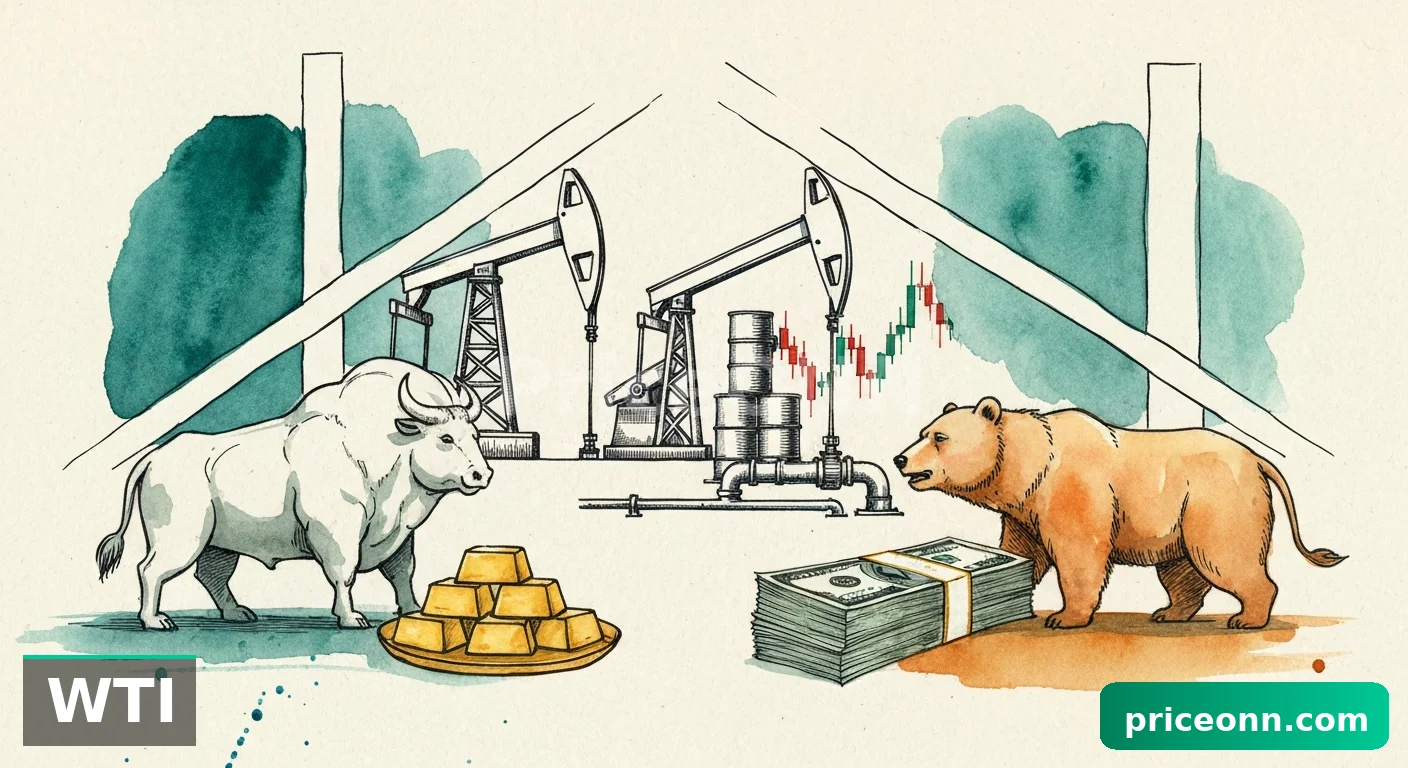
Europe finds itself grappling with a recurring energy crisis, a situation exacerbated by global geopolitical instability and supply chain disruptions. While the continent has made strides in reducing reliance on Russian energy since the invasion of Ukraine, its sustained import dependency, exceeding 50% of its energy needs, leaves it vulnerable to price shocks. Recent events, including disruptions in key shipping lanes and Middle East conflicts, have amplified these concerns.
Spain's Renewable Energy Advantage
Amidst this continental challenge, Spain is demonstrating a more resilient energy landscape. Prime Minister Pedro Sánchez recently highlighted this advantage, noting that strategic investments in renewable energy have shielded Spanish households from the most severe impacts of rising global gas prices. He pointed to a recent Saturday where wholesale electricity in Spain traded at approximately €14 per megawatt-hour, a stark contrast to the over €100 per megawatt-hour paid in countries like Italy, Germany, and France.
This significant price differential is not accidental, according to analysts. It is the result of Spain's consistent, eight-year commitment to developing its renewable energy infrastructure. Currently, renewables account for nearly 60% of Spain's total energy consumption, a figure substantially higher than the European average and a key factor in its energy price stability.
Market Context and Drivers
The broader European energy market remains under pressure. The continent's heavy reliance on imported energy sources makes it susceptible to fluctuations in global commodity markets and geopolitical events. The ongoing instability, coupled with the demand for energy as economies recover, continues to push prices upward. However, Spain's proactive approach to decarbonization and energy independence has created a buffer.
The emphasis on solar power, a readily available resource in Spain, has been a critical driver. Unlike natural gas, which is subject to volatile international markets and geopolitical leverage, solar energy provides a more predictable and domestically controlled power source. This strategic shift not only lowers immediate electricity costs but also enhances long-term energy security.
Trader Implications
For traders, Spain's energy situation presents a unique case study in the benefits of renewable energy investment. While the broader European energy complex may remain volatile, traders focusing on Spanish energy markets or companies heavily invested in renewables within Spain might find more stable conditions. Key levels to watch include the wholesale electricity price in Spain as a benchmark for renewable energy competitiveness. Any significant deviation from its current low levels could signal broader market shifts or policy changes.
Conversely, traders in countries with higher reliance on fossil fuels, particularly natural gas for power generation, should remain vigilant. The price gap between Spain and its neighbors underscores the ongoing risk premium associated with imported energy. Monitoring gas prices, LNG import data, and geopolitical developments in energy-producing regions will be crucial for assessing potential price swings across the continent.
Outlook
Spain's success in leveraging renewable energy for price stability is likely to be a model for other European nations. As the continent continues to navigate energy security challenges, the focus on domestic clean energy sources will intensify. Investors and traders should anticipate increased activity in renewable energy sectors and related infrastructure as Europe seeks to replicate Spain's success and reduce its vulnerability to global energy shocks. The trend towards greater energy independence through renewables appears set to continue, potentially widening the price divergence between nations with differing energy strategies.
Frequently Asked Questions
What is the current wholesale electricity price difference between Spain and its neighbors?
Recently, wholesale electricity in Spain was priced around €14 per megawatt-hour, while in Italy, Germany, and France, it exceeded €100 per megawatt-hour, indicating a substantial price gap.
What percentage of Spain's energy consumption comes from renewables?
Renewable sources currently constitute nearly 60% of Spain's total energy consumption, significantly contributing to its lower electricity prices and energy resilience.
How does Spain's energy strategy impact traders?
Traders may find more stable conditions in Spanish energy markets due to its renewable focus. Conversely, higher reliance on imported fossil fuels in other European nations presents ongoing volatility risks that require careful monitoring of gas prices and geopolitical events.
Track markets in real-time
Empower your investment decisions with AI-powered analysis, technical indicators and real-time price data.
Join Our Telegram Channel
Get breaking market news, AI analysis and trading signals delivered instantly to your Telegram.
Join Channel PriceONN News
Over the last two decades, solar panels have fallen in price while efficiency has increased. Greater uptake and high levels of investment in research and development have led to vast improvements in solar power technology. As panel prices fall and governments worldwide look to diversify their energy mix and cut emissions, several developers are now launching mega-projects to meet the growing demand. Most major solar projects developed in recent years provide hundreds of megawatts of clean...
PriceONN News
Cuba has been experiencing a worsening energy crisis for several years, which previously led it to rely heavily on Venezuela for its fuel. Following the United States’ intervention in Venezuela in February, the energy crisis has grown even worse, as Cubans face regular blackouts and the economy suffers. Cuba requires about 100,000 barrels a day to power its grid and meet the regular transportation demands. It fulfils just 40 percent of this demand domestically. In January, the Trump...
PriceONN News
BP will sell 5% in the $35-billion Browse LNG project in Australia, which Australian energy giant Woodside is looking to progress, the UK-based supermajor told Reuters on Monday. BP is selling the 5% stake, out of its total of its 44% interest, to South Korea's GS Energy. “The dilution reflects BP’s disciplined approach to portfolio management by bringing in a committed partner,” BP said in a statement emailed to Reuters. The Browse LNG project in Australia, proposed by Woodside Energy, entails...
PriceONN News
The Iran war suddenly turned what had started as a year of oversupply in global oil and LNG markets into the worst oil and gas supply disruption in history. Three months after the U.S.-Israeli strikes on Iran began on February 28, the world has already lost 1 billion barrels of crude oil supply, oil and gas prices have found a new, much higher floor, and whipsaw with violent volatility nearly every day, trade routes have shifted, and tanker rates have spiked. Actual supply shortages are...
PriceONN News
Nuclear fuel is becoming a geopolitical battleground as the world increasingly turns to nuclear energy to contend with skyrocketing energy demand projections. The combination of an oil-based energy crisis emanating out of the Strait of Hormuz, the enormous and ballooning energy needs of artificial intelligence, and the urgent imperative of decarbonization is garnering a renewed interest in nuclear energy as a carbon-free, efficient, and round-the-clock power source. Moreover, nuclear energy can...
PriceONN News
China has been cited as an example of a country that has managed to insulate itself relatively well against oil crises. With over a billion barrels in estimated inventories before the war in the Middle East started, China was the poster child of forward planning in energy security. But this could change, and if it does, it would make an already severe crisis even worse. Kpler sounded the alarm about that prospect earlier this month, reporting that Chinese refiners have reduced their purchases...
PriceONN News
The Iran war has handed the United States a rare opportunity: a new dawn of energy dominance in an increasingly fractured world. With coordinated US-Israeli strikes disrupting the Strait of Hormuz from late February, roughly 20% of global LNG supply has been stripped from the market since early March. Prices have surged across Asia and Europe. And into that vacuum, American gas has flowed. The numbers speak for themselves. US LNG exports to Asia jumped sharply in April, with nearly a quarter of...
PriceONN News
Crude oil prices experienced a significant drop, with WTI futures falling over 1.8% to $87.25, as optimism grew for a U.S.-Iran deal potentially reopening the Strait of Hormuz.
PriceONN News
Crude oil prices experienced a significant downturn as market sentiment shifted towards optimism about a potential US-Iran Memorandum of Understanding that could reopen the Strait of Hormuz. WTI futures fell nearly 2% on the news.
PriceONN News
(RTTNews) - Crude oil prices have tumbled on Friday as expectations of the U.S. and Iran signing a Memorandum of Understanding run high. The MoU would allow for immediate reopening of the Strait of Hormuz and pave the way for the resumption of oil and energy trade.
PriceONN News
Crude oil futures experienced a dramatic intraday reversal on Thursday, soaring overnight on geopolitical fears only to pull back significantly as reports of a potential diplomatic understanding between the U.S. and Iran emerged.
PriceONN News
Crude oil futures experienced a dramatic intraday reversal, soaring to $92.52 before pulling back significantly on Thursday. The volatile session was driven by shifting geopolitical narratives and U.S. inventory data.