
Will the Yen Rally Continue After Former BoJ Chief Urges Policy Normalization?

The Japanese Yen has been a focal point for currency traders as market data suggests a potential shift in the Bank of Japan's (BoJ) long-standing monetary policy. Recent commentary from a key former official is adding fuel to this narrative, prompting questions about the future trajectory of the Yen and Japanese interest rates.
Market Context
For over a decade, the Bank of Japan maintained an exceptionally loose monetary policy, characterized by Quantitative and Qualitative Easing (QQE), negative interest rates, and yield curve control. This strategy, initiated in 2013, aimed to combat persistent deflation. However, it also contributed to a significant depreciation of the Japanese Yen, particularly as other major central banks began aggressively hiking rates in 2022 and 2023 to combat surging inflation. This global policy divergence widened the gap and put further downward pressure on the Yen, pushing it to multi-decade lows against major currencies.
A turning point arrived in March 2024 when the BoJ finally signaled a departure from its ultra-loose stance, ending negative interest rates and yield curve control. This policy pivot, combined with a notable increase in global energy prices, helped push Japanese inflation above the BoJ's 2% target. Market participants are now closely watching for sustained wage growth, which is considered crucial for durable inflation, and the central bank's next steps.
Analysis & Drivers
The latest impetus for Yen watchers comes from former BoJ Governor Haruhiko Kuroda. In a recent interview with the Asahi newspaper, Kuroda, who led the central bank for a decade until April 2023, stated his belief that the BoJ should not pause its approach to policy normalization. This suggests that the momentum towards tighter monetary policy should be maintained, even as the central bank navigates the complexities of inflation and economic growth.
Kuroda's perspective carries weight, given his extensive experience steering the BoJ through years of unprecedented easing. His endorsement of continued normalization implies that the central bank is likely to proceed cautiously but deliberately with further policy adjustments, which could include additional interest rate hikes or further adjustments to its bond-buying programs. The primary drivers for this policy shift remain the need to anchor inflation expectations and address the Yen's weakness, which increases import costs for Japanese households and businesses.
Trader Implications
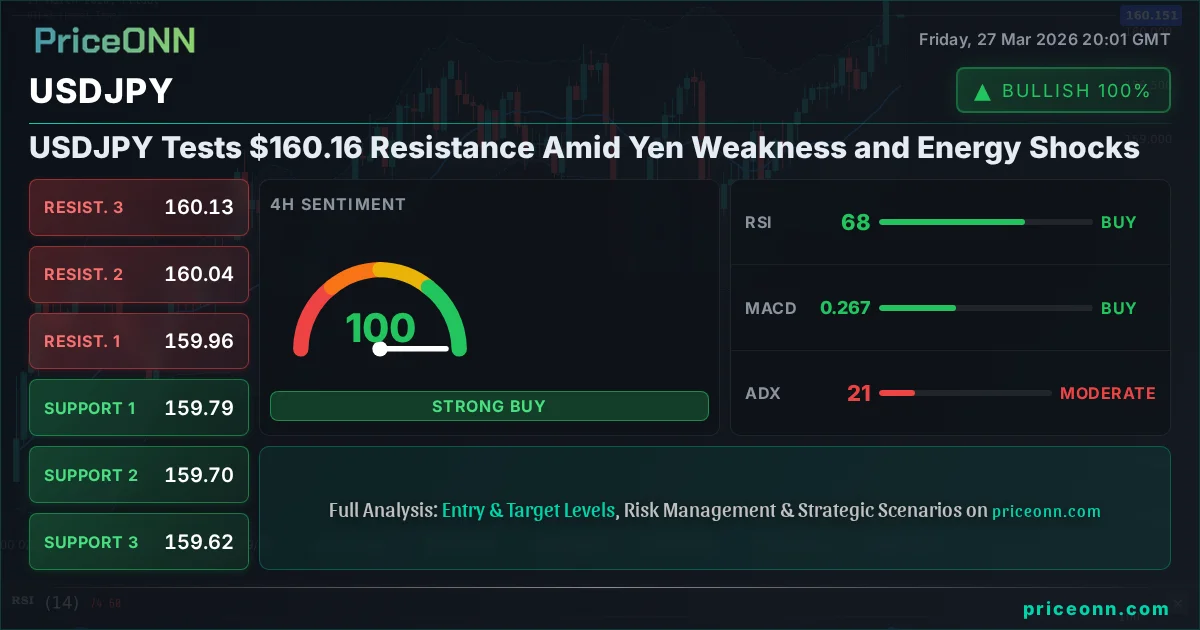
For forex traders, these developments present a complex but potentially rewarding environment. The former central bank chief's remarks reinforce the view that the Yen could see further strength if the BoJ continues its normalization path. Key levels to watch for USD/JPY include the 145.00 support level, a break below which could signal a more significant downtrend. Conversely, any signs of hesitation from the BoJ or a resurgence of global risk appetite could see USD/JPY rebound towards the 150.00 resistance.
Traders should monitor upcoming BoJ statements and economic data releases from Japan, particularly inflation figures and wage growth indicators. Geopolitical developments and the monetary policy stance of other major central banks, especially the U.S. Federal Reserve, will also continue to influence the Yen's direction. A divergence in monetary policy where the BoJ tightens while other central banks begin to ease could provide significant tailwinds for the Yen.
Outlook
The path forward for the Japanese Yen hinges on the BoJ's commitment to policy normalization and its ability to manage inflation without stifling economic recovery. Former Governor Kuroda's comments suggest that the central bank is likely to continue its gradual shift away from ultra-loose policy. This, combined with potentially sticky inflation, points towards a scenario where the Yen may find further support in the coming months. However, global economic uncertainties and the Fed's own policy decisions remain critical variables that could quickly alter the outlook for USD/JPY.
Frequently Asked Questions
What is the Bank of Japan's current monetary policy stance?
The Bank of Japan recently moved away from its ultra-loose monetary policy in March 2024, ending negative interest rates and yield curve control. It is now focused on a path towards policy normalization, aiming to manage inflation and anchor expectations.
What are the key levels to watch for USD/JPY?
Traders should monitor the 145.00 support level for USD/JPY. A sustained break below this could signal further downside, while a move above the 150.00 resistance might indicate a return to upward momentum.
What is the outlook for the Japanese Yen based on recent commentary?
Based on former BoJ Governor Kuroda's comments advocating for continued normalization, the outlook for the Yen is cautiously positive. If the BoJ maintains its tightening path amid rising inflation, the Yen could find further support against major currencies like the US Dollar.
Track markets in real-time
Empower your investment decisions with AI-powered analysis, technical indicators and real-time price data.
Join Our Telegram Channel
Get breaking market news, AI analysis and trading signals delivered instantly to your Telegram.
Join Channel
PriceONN