WTI Crude Oil Surges: Qatar's $150 Forecast Amid Middle East Tensions

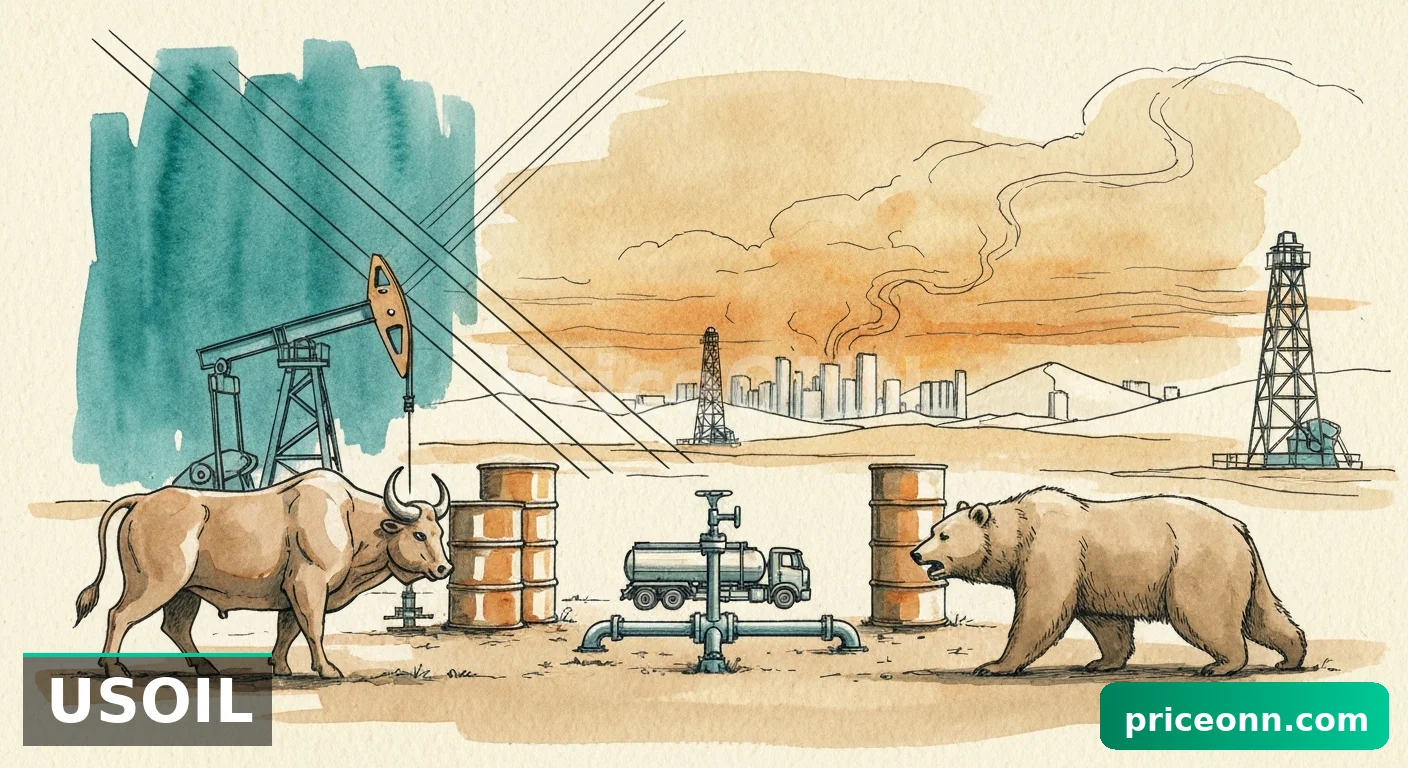
West Texas Intermediate (WTI) crude oil is trading near $82.80, marking its highest level since July 2024. This surge is fueled by escalating tensions in the Middle East and a bold prediction from Qatar's Energy Minister, Saad al-Kaabi, who anticipates oil prices potentially soaring to $150 per barrel. The current market dynamics reflect concerns over supply disruptions amid ongoing regional conflicts.
Geopolitical Risks and Supply Concerns
The primary driver behind the recent rally in WTI crude is the increasing geopolitical risk in the Middle East. Qatar's Energy Minister, Saad al-Kaabi, suggested that escalating conflict, involving the United States, Israel, and Iran, could lead to a shutdown of energy exports from the Gulf region within weeks. Such a scenario would drastically reduce global oil supply, inevitably leading to a sharp increase in prices. This potential disruption has traders and investors on high alert, factoring a greater risk premium into current oil prices.
Inventory Data and Market Sentiment
Beyond geopolitical factors, weekly inventory reports from the American Petroleum Institute (API) and the Energy Information Administration (EIA) continue to play a crucial role in shaping market sentiment. These reports provide insights into the balance between supply and demand, with declines in inventories typically signaling increased demand and supporting higher prices. Conversely, increases in inventories can indicate oversupply, potentially leading to price declines. Traders closely monitor these reports for confirmation of the underlying supply-demand dynamics.
- API Report: Published every Tuesday, offers a preliminary look at inventory levels.
- EIA Report: Released the day after the API report, considered more authoritative due to its government source.
OPEC's Influence and the US Dollar
The Organization of the Petroleum Exporting Countries (OPEC) remains a significant player in the oil market. OPEC's decisions regarding production quotas can significantly influence global oil supply and, consequently, prices. Any announcements from OPEC regarding potential production cuts or increases are closely scrutinized by market participants. Furthermore, the value of the US dollar, in which oil is predominantly priced, also impacts WTI crude. A weaker dollar tends to make oil more attractive to buyers holding other currencies, potentially boosting demand and prices.
For traders and investors, the current environment presents both opportunities and risks. The potential for significant price swings due to geopolitical events necessitates careful risk management. Monitoring inventory reports, OPEC announcements, and developments in the Middle East will be crucial for navigating the volatile oil market. A break above $85 could signal further upside, while a drop below $80 might indicate a short-term correction.
Key Factors to Watch:
- Geopolitical developments in the Middle East
- Weekly inventory reports from API and EIA
- OPEC production decisions
- US Dollar strength
Track markets in real-time
Empower your investment decisions with AI-powered analysis, technical indicators and real-time price data.
Join Our Telegram Channel
Get breaking market news, AI analysis and trading signals delivered instantly to your Telegram.
Join Channel