Iraq to Hold Oil Output Near 1.4 Million Bpd as War Strangles Exports
Iraq's Oil Sector Faces Crippling Setback
The ongoing turmoil in the Persian Gulf continues to exert immense pressure on Iraq's oil industry. Production has plummeted to approximately 1.4 million barrels per day (bpd), according to Oil Minister Hayan Abdel-Ghani. This represents a staggering decline from pre-conflict levels.
Before the disruption, Iraq's output hovered around 4 million bpd, based on data from the Organization of the Petroleum Exporting Countries (OPEC). Current production, therefore, is barely a third of its former capacity. The core issue isn't resource scarcity; it's the inability to transport oil to international markets.
Desperate Measures to Maintain Exports
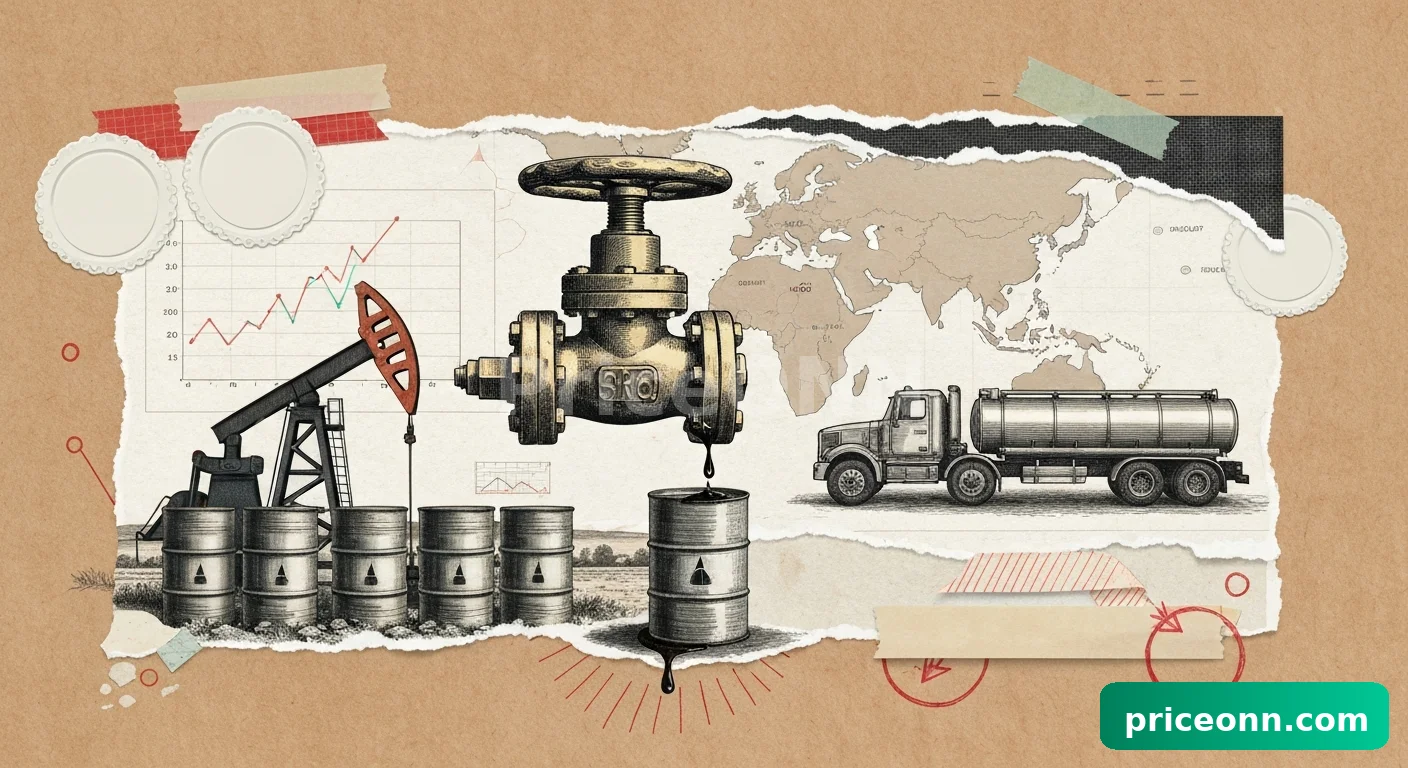
With traditional Gulf export routes severely hampered, Iraq is resorting to unconventional methods. Approximately 200,000 bpd are being transported via trucks through neighboring countries such as Turkey, Syria, and Jordan, the oil minister stated. However, these alternative routes provide only a fraction of the country's typical export volume.
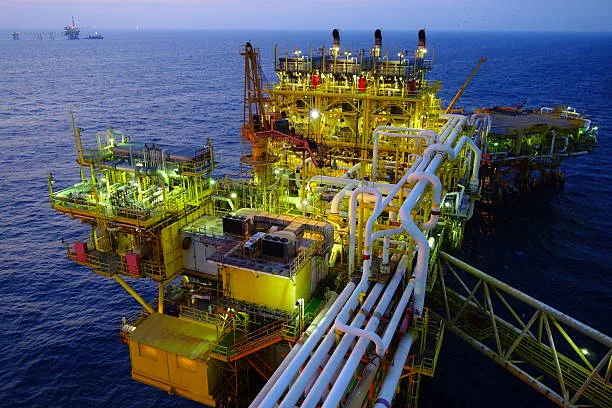
The majority of Iraq's oil originates from its southern oilfields, typically shipped through Gulf terminals. With maritime traffic significantly impeded, production from these fields has reportedly decreased by about 70%. The economic ramifications are substantial. Oil revenues constitute over 90% of Iraq's government income, funding a significant portion of public expenditure. This prolonged disruption poses a serious threat to the country's already strained financial situation.
Baghdad is actively pursuing alternative export routes to stabilize the situation. The oil ministry has requested that the Kurdistan Regional Government increase production from the Kirkuk fields to at least 100,000 bpd, channeling the crude north through Turkey's Ceyhan pipeline. Officials anticipate an agreement regarding exports via Ceyhan in the near future, although specific details are still pending.
The Bigger Picture
This disruption in Iraqi oil supply has broader implications for the global energy market. Any reduction in supply, particularly from a major producer, can impact prices and potentially exacerbate existing inflationary pressures. The situation also highlights the vulnerability of oil-dependent economies to geopolitical instability.
Furthermore, the reliance on trucking as an alternative export method raises concerns about efficiency, security, and environmental impact. These routes are less efficient and more costly than traditional pipeline or maritime transport. The reliance on neighboring countries also introduces geopolitical risks, as any instability in those nations could further disrupt Iraq's oil exports.
Portfolio Impact
The Iraqi production shortfall is another factor adding upward pressure to crude oil prices. Traders should monitor Brent (UKOIL) and West Texas Intermediate (WTI) futures contracts for potential volatility. The news could also benefit companies involved in oil transportation and storage, particularly those operating in regions adjacent to Iraq.
The USD/CAD pair may also see some movement, as Canada is a major oil exporter, and disruptions elsewhere can affect global demand and pricing. Additionally, keep an eye on the performance of major energy sector indices, such as the Energy Select Sector SPDR Fund (XLE), as they may react to shifts in global supply dynamics.
One key risk is that the Ceyhan pipeline agreement falls through, prolonging the export bottleneck and putting further strain on Iraq's finances. Traders should also monitor developments in the Persian Gulf region for any escalation of the conflict, which could further disrupt oil supplies and trigger significant price swings.