WTI Surges 2.7% to $98.81 as Middle East Tensions Escalate
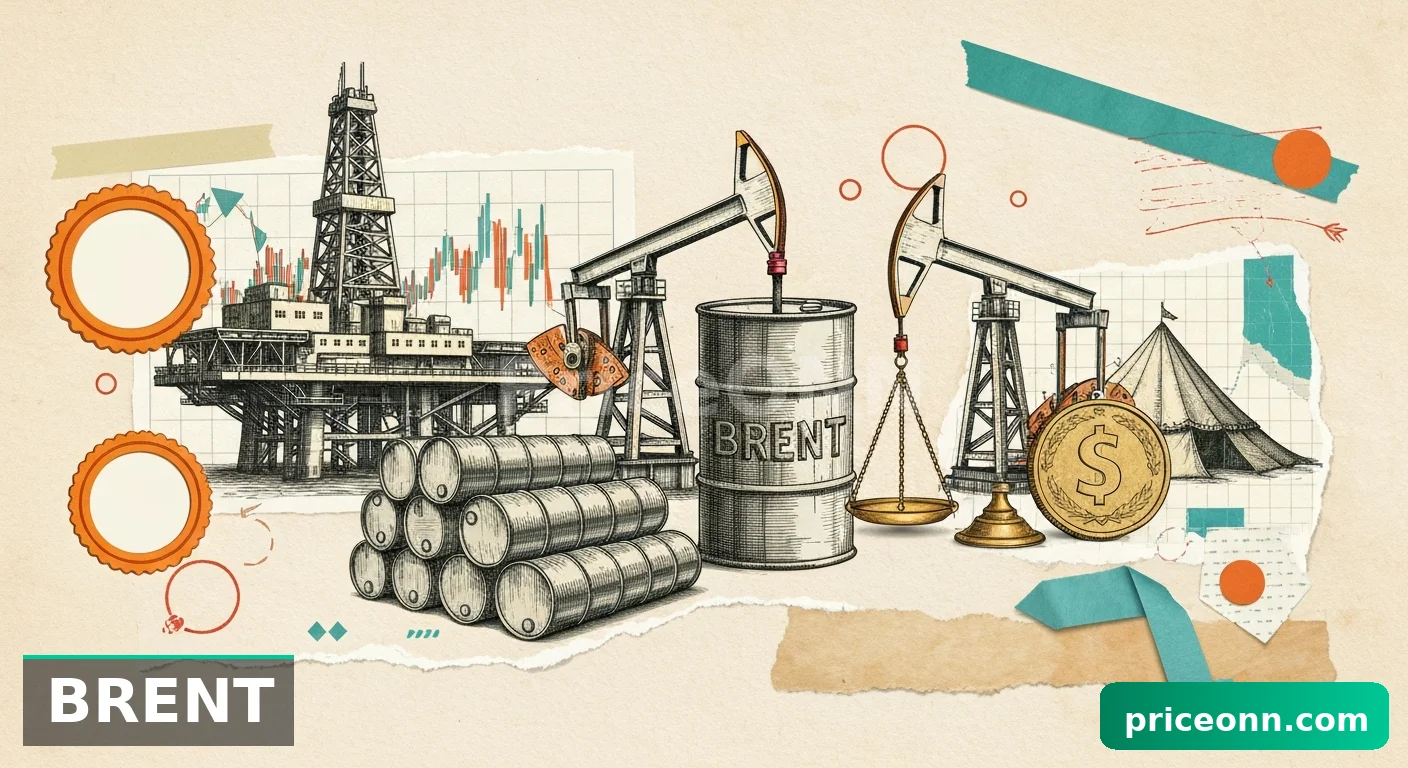
WTI crude oil closed last Friday at $98.81, up 2.7% on the day, fueled by escalating tensions in the Middle East. Traders are watching key resistance levels amid supply concerns.
WTI crude oil ended last week on a high note, closing at $98.81, a 2.7% gain driven by growing geopolitical risks in the Middle East and renewed supply concerns. The surge comes amid a backdrop of rising jet fuel prices and disruptions to global battery supply chains, adding further complexity to the energy market outlook. Now, the question is whether this momentum can continue into the coming week.
- WTI crude oil closed at $98.81, up 2.7% on Friday, driven by Middle East tensions.
- RSI at 82.7 signals overbought conditions on the daily chart, suggesting a potential pullback.
- Key resistance lies at $99.25; a break above this level could target $102.3.
- ADX at 49.88 indicates a strong uptrend, but traders should watch for potential exhaustion.
The week saw a flurry of activity in the oil markets, with WTI steadily climbing as tensions in the Strait of Hormuz intensified. According to PriceONN market news, the situation escalated mid-week, with reports suggesting potential disruptions to oil tanker traffic. This news, combined with ongoing concerns about global supply chains, pushed WTI above the $95 mark and ultimately to its Friday close of $98.81. The rising jet fuel prices also added upward pressure, with some analysts predicting airlines will soon need to pass on these costs to consumers if prices are sustained at these levels.
Supply-Side Dynamics
On the supply side, the market is closely monitoring OPEC+ production levels and any potential disruptions from geopolitical hotspots. While there have been no official announcements regarding production cuts, the escalating tensions in the Middle East have raised concerns about potential supply disruptions. According to PriceONN market news, WTI prices steadied near $95 as strategic reserves offset Middle East supply risks. The release of strategic reserves by Australia and Japan also played a role in mitigating some of the upward pressure on prices.
However, the situation in Zimbabwe is adding a new dimension to the energy landscape. Zimbabwe's sudden ban on raw lithium exports has disrupted global battery supply chains, particularly impacting Chinese manufacturers, as reported by PriceONN. While not directly impacting WTI, this event highlights the growing interconnectedness of energy markets and the potential for unexpected supply shocks.
Demand-Side Factors
From a demand perspective, the market is watching key economic indicators for signs of strength or weakness. The upcoming U.S. economic data releases this week, including reports on retail sales and industrial production, will provide further insights into the health of the U.S. economy and its impact on oil demand. On Friday, March 13th, several key economic data points are slated for release, including GBP data, and several USD data points. These releases will be closely scrutinized for any signs of economic slowdown or acceleration.
China's economic recovery continues to be a major factor influencing global oil demand. As the world's largest oil importer, China's economic activity has a significant impact on global oil prices. Any signs of a slowdown in China's economic growth could weigh on oil demand and prices. The rising star keyword identified by Google Search Console, "cad jpy news bank of canada bank of japan oil prices," suggests that market participants are closely monitoring the interplay between central bank policies and oil prices.
Technical Analysis: WTI at a Crossroads
From a technical standpoint, WTI is currently trading near a critical resistance level. The daily chart shows RSI at 82.7, indicating overbought conditions and suggesting a potential pullback. However, the ADX at 49.88 indicates a strong uptrend, suggesting that the bullish momentum may continue. The convergence of these conflicting signals highlights the uncertainty in the market and the need for caution.
Looking at the key levels, immediate resistance lies at $99.25, followed by $102.3. A break above $99.25 could trigger a further rally towards $102.3 and potentially $107.56. On the downside, immediate support lies at $97.31, followed by $92.95. A break below $97.31 could lead to a test of the $92.95 level. The 1-hour chart currently shows a neutral trend.
| Indicator | Value | Signal | Interpretation |
|---|---|---|---|
| RSI (14) | 82.7 | Overbought | Potential pullback |
| MACD Histogram | Positive | Positive | Bullish momentum |
| Stochastic | 51.47 | Divergence | Potential reversal |
| ADX | 49.88 | Strong | Uptrend strength |
Geopolitical Context and News Impact
The geopolitical backdrop remains a key driver of oil prices. Tensions in the Middle East, particularly around the Strait of Hormuz, continue to fuel concerns about potential supply disruptions. As PriceONN reported, WTI has been sensitive to these tensions, with prices fluctuating based on the latest developments. The US Dollar is holding firm as geopolitical risks in the Middle East escalate, driving WTI Crude Oil toward the $90 mark. The DXY is currently at 100.07 and strengthening.
The market is also closely monitoring developments related to Iran's nuclear program and any potential impact on oil production and exports. Any escalation of tensions between Iran and other countries could lead to further supply disruptions and higher oil prices. The euro is facing headwinds as the ECB hints at maintaining its current policy, despite rising inflation concerns. Focus is on the upcoming economic data releases and central bank communications.
Looking Ahead: Key Levels and Events to Watch
As we move into the coming week, several key events and levels will be closely watched by traders. The upcoming U.S. economic data releases, including reports on retail sales and industrial production, will provide further insights into the health of the U.S. economy and its impact on oil demand. Additionally, any further developments regarding geopolitical tensions in the Middle East will continue to influence oil prices.
From a technical perspective, the key levels to watch are the resistance at $99.25 and the support at $97.31. A break above $99.25 could trigger a further rally towards $102.3 and potentially $107.56. On the downside, a break below $97.31 could lead to a test of the $92.95 level. Traders should also pay close attention to the RSI and ADX indicators for potential signals of overbought or oversold conditions and trend strength.
Frequently Asked Questions: WTI Analysis
What happens if WTI breaks above $99.25 resistance?
A break above the $99.25 resistance level could trigger a further rally in WTI, potentially targeting the $102.3 and $107.56 levels. This would suggest that the bullish momentum is strong and that buyers are in control.
Should I buy WTI at current levels of $98.81 given the overbought RSI?
While the RSI at 82.7 indicates overbought conditions, the strong uptrend suggested by the ADX at 49.88 suggests that the bullish momentum may continue. However, traders should exercise caution and wait for a potential pullback before entering long positions.
Is the Stochastic divergence a reliable sell signal for WTI right now?
The Stochastic divergence could be an early warning sign of a potential reversal. However, it should be used in conjunction with other technical indicators and fundamental analysis before making any trading decisions.
How will the upcoming U.S. economic data affect WTI this week?
The upcoming U.S. economic data releases, including reports on retail sales and industrial production, will provide further insights into the health of the U.S. economy and its impact on oil demand. Stronger-than-expected data could support oil prices, while weaker-than-expected data could weigh on prices.
Track markets in real-time
Empower your investment decisions with AI-powered analysis, technical indicators and real-time price data.