
Is the AI Boom Over? Iran Conflict's Hidden Impact on Tech Spending
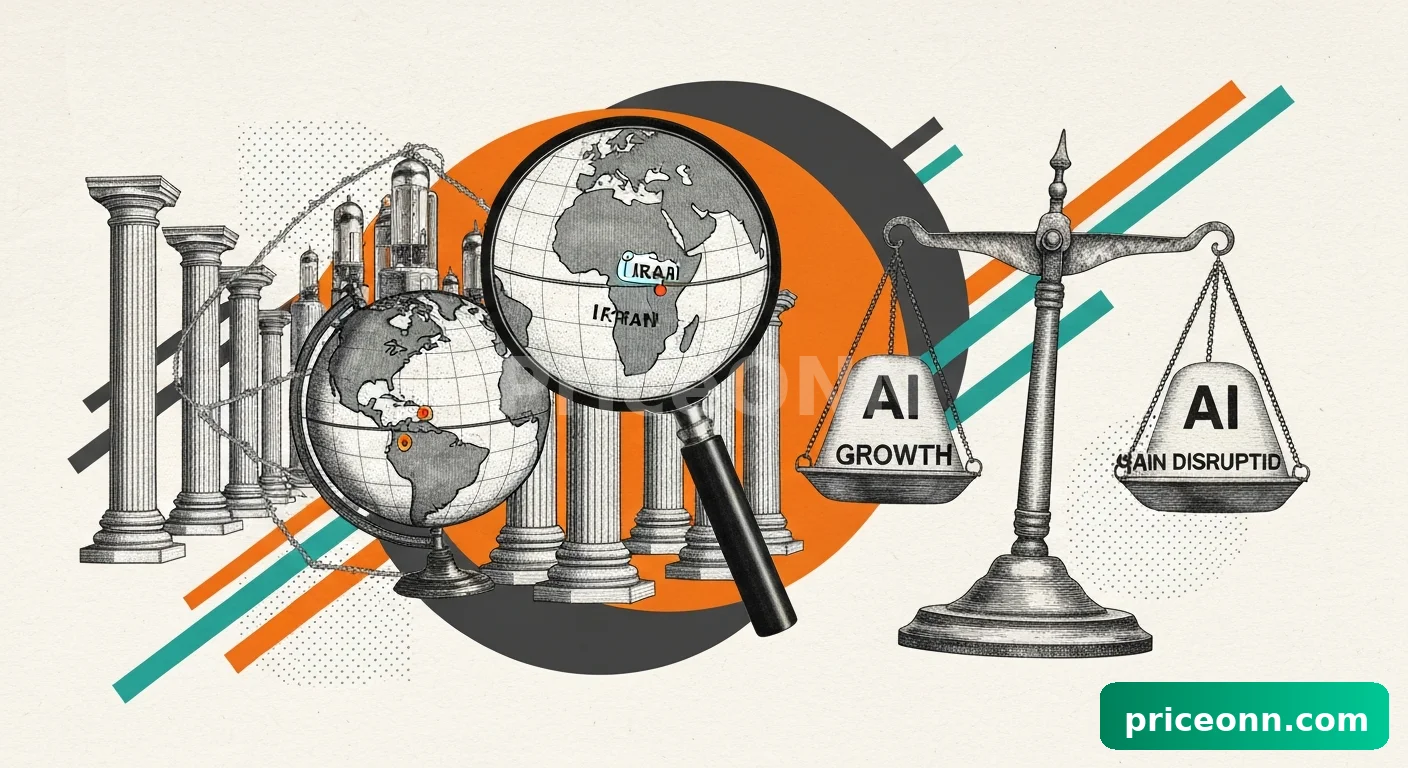
The stock market's initial muted reaction to the conflict in Iran is giving way to deeper concerns about its structural impact, particularly on the burgeoning artificial intelligence sector. While oil prices saw an immediate spike and some infrastructure was damaged, the prevailing sentiment that the disruption would be short-lived is now being challenged by the potential for compounding, quiet damage to critical supply chains.
Market Context: Beyond the Initial Shrug
In the first week following the outbreak of hostilities in Iran, the broader stock market displayed a surprising resilience, with the Nasdaq experiencing only a minor dip before steadying. This calm was underpinned by an assumption that the conflict would be contained and resolved quickly, allowing the Federal Reserve to proceed with anticipated interest rate cuts in June. However, this interpretation may be overlooking the insidious nature of the damage being inflicted. The disruption is not merely a temporary setback but a potential blow to the core assumption driving the current market: sustained global supply chain integrity.
Analysis & Drivers: The $1.5 Trillion AI Bet Under Fire
The heart of the matter lies in the colossal investment pouring into AI infrastructure. Major tech players have committed staggering sums, totaling approximately $1.5 trillion, primarily towards data centers, chip manufacturing, and their associated supply chains. Companies like Meta have pledged over $600 billion by 2028, Apple $500 billion over four years, and Amazon projected $200 billion in data center spending for 2026 alone. This massive capital expenditure, significantly exceeding forecasts with actual spending growth surpassing 50% in recent years according to market data, forms the bedrock of the current bull market. The market has priced in not just this spending, but also the expected productivity gains, new revenue streams, and competitive advantages that AI is supposed to deliver. This entire edifice rests on the assumption of an uninterrupted global supply chain, an assumption now under severe threat.
Trader Implications: Reassessing Risk and Reward
Traders and investors must now grapple with the possibility that the foundational premise of the AI boom is compromised. The conflict in Iran introduces a significant geopolitical risk premium that could ripple through tech valuations. Key factors to monitor include:
- Supply Chain Disruptions: Any prolonged impact on the movement of critical components, such as advanced semiconductors, could directly curtail AI development and deployment plans.
- Inflationary Pressures: Rising energy costs due to oil price volatility could further squeeze corporate margins and consumer spending, potentially dampening demand for new technologies.
- Central Bank Policy Uncertainty: Persistent geopolitical instability could force central banks to adopt a more hawkish stance, delaying or halting anticipated interest rate cuts, which would negatively impact growth stocks.
The current market valuation of AI-centric companies, particularly those reliant on Nvidia's high-performance chips, may be overly optimistic if supply chain vulnerabilities are not adequately addressed. Investors should consider diversifying their portfolios and scrutinizing companies with the most direct exposure to the AI hardware and data center supply chains.
Outlook: Navigating Uncertainty
The coming weeks will be crucial in determining the long-term impact of the Iran conflict on the AI sector. If supply chain issues persist or worsen, the projected AI-driven productivity boom could be significantly delayed, forcing a reassessment of current market valuations. Traders should remain vigilant for any further escalations or de-escalations in the region, as well as monitor corporate guidance on capital expenditures and supply chain resilience. The narrative may shift from rapid AI expansion to a more cautious approach focused on securing existing infrastructure and supply lines.
Frequently Asked Questions
What is the estimated total investment in AI infrastructure threatened by the conflict?
Market data indicates that tech companies have committed approximately $1.5 trillion towards AI infrastructure, including data centers and chip supply chains, which could be indirectly impacted by geopolitical instability.
How might the conflict affect AI stock valuations?
If supply chain disruptions or increased costs materialize, valuations of AI-dependent companies, such as those heavily reliant on Nvidia, could face downward pressure as growth expectations are revised.
What should traders watch for in the coming weeks regarding the AI sector?
Traders should monitor geopolitical developments in Iran, corporate announcements regarding supply chain stability and capital expenditures, and any shifts in central bank policy related to inflation and economic growth.
Track markets in real-time
Empower your investment decisions with AI-powered analysis, technical indicators and real-time price data.
Join Our Telegram Channel
Get breaking market news, AI analysis and trading signals delivered instantly to your Telegram.
Join Channel



PriceONN