Bangladesh Seeks U.S. Waiver for Russian Diesel as IMF Warns of Energy Shock
Nation Scrambles for Fuel as Reserves Dwindle
A critical energy shortage is pushing Bangladesh to seek an unprecedented lifeline from international allies. Dhaka has officially requested a temporary exemption from U.S. sanctions, aiming to acquire approximately 600,000 metric tonnes of diesel from Russia. This volume is intended to cover a two-month demand gap, a stark indicator of the nation's escalating energy crisis.
Officials in Bangladesh are citing the recent 30-day waiver granted to India by Washington as a potential precedent for their own request. This strategic plea underscores the severe strain on the country's energy infrastructure and its reliance on external markets.
The backdrop to this urgent request is a global economic alert sounded by the International Monetary Fund (IMF). The Fund warns that ongoing geopolitical tensions, specifically referencing the Iran conflict, are catalyzing a significant energy shock. Disruptions to oil transport routes are not only inflating fuel costs but also constricting global financial conditions. This creates immense pressure on economies that, like Bangladesh, depend heavily on energy imports.
Economic Vulnerability Exposed by Supply Chain Disruptions
Bangladesh's economic structure leaves it particularly exposed. The nation imports roughly 95% of its energy requirements, making it highly susceptible to international supply fluctuations. The recent near-complete halt of maritime traffic through the critical Strait of Hormuz has severely impacted scheduled deliveries from key Gulf suppliers, exacerbating the existing shortfall.
This confluence of rising global prices and persistent supply shortages has forced the Bangladeshi government into a reactive stance. Efforts are underway to secure alternative fuel sources from nations like India and China, alongside the implementation of domestic fuel rationing measures. Furthermore, the country is actively seeking over $2.5 billion in external financial assistance specifically earmarked for bolstering energy imports.
The financial burden is substantial. The heavy dependence on imported fossil fuels, encompassing both Liquefied Natural Gas (LNG) and diesel, amounts to an annual expenditure of approximately $12 billion. This massive outlay places considerable strain on the nation's foreign exchange reserves and is a significant contributor to the current high inflation rates.
Global Oil Markets React to Escalating Middle East Tensions
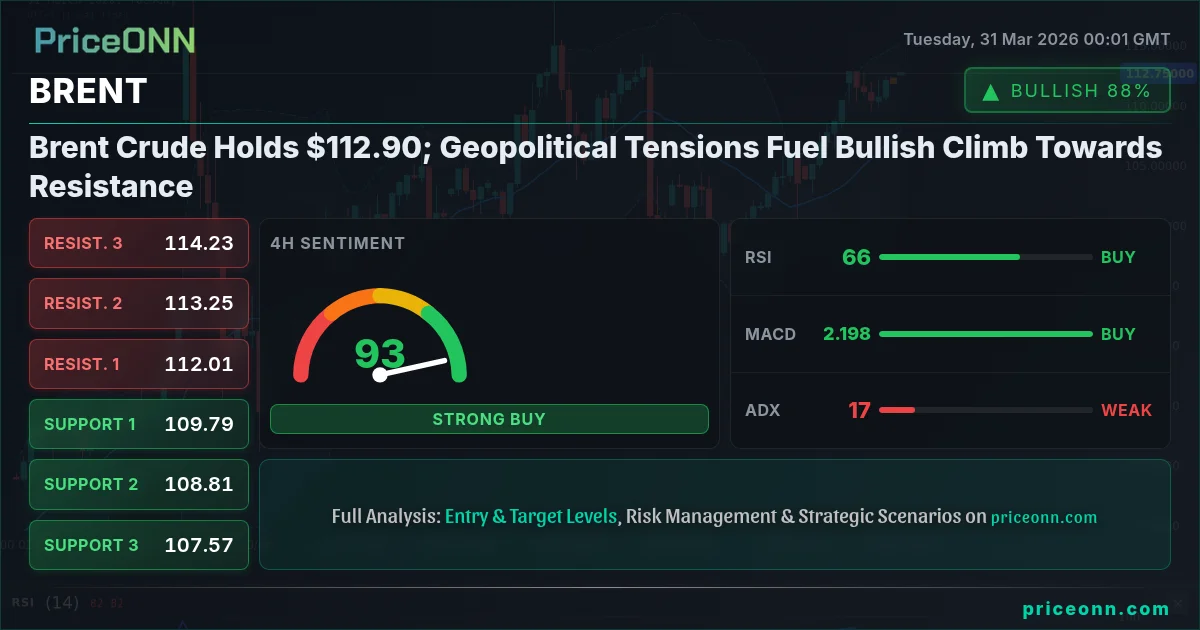
Simultaneously, global oil benchmarks are experiencing upward pressure as the conflict in the Middle East intensifies. Brent crude for May delivery saw a modest increase, trading around $113.00 per barrel, while the West Texas Intermediate (WTI) Crude contract posted a more significant gain, changing hands near $102.40 per barrel.
Market sentiment is being heavily influenced by reports of Houthi militants, reportedly backed by Iran, becoming more involved in the regional conflict. The deployment of thousands of U.S. troops to the area has also heightened concerns about a potential wider ground offensive. These developments, coupled with earlier claims by the Houthis of firing ballistic missiles at Israeli military targets, are fueling anxieties about a broader, more destructive escalation.
The IMF's stark warning highlights the interconnected nature of the global economy. The energy shock threatens to push up prices for not only fuel but also essential commodities like food and fertilizers worldwide. The impact is most acutely felt in developing and low-income countries, where escalating energy expenses directly fuel inflation, stifle economic growth, and compel governments to seek emergency supply solutions or crucial external financial support.
Market Ripple Effects
Bangladesh's urgent pursuit of Russian diesel, facilitated by a potential U.S. waiver, introduces several layers of complexity for global energy markets and related financial instruments. The immediate focus remains on the price action of key crude oil benchmarks, Brent and WTI, which are highly sensitive to Middle East supply dynamics and geopolitical rhetoric.
The situation also has implications for emerging market currencies, particularly those of nations heavily reliant on energy imports. The strain on foreign exchange reserves, as seen in Bangladesh, could lead to currency depreciation. Traders will be closely monitoring the US Dollar Index (DXY) for signs of safe-haven demand if geopolitical tensions escalate further.
Furthermore, the elevated cost of energy inputs directly impacts inflation expectations. This could influence central bank policy decisions globally, potentially leading to prolonged higher interest rates. Consequently, this scenario warrants attention from investors in sovereign debt markets, especially for countries with significant energy import bills. The potential for increased government borrowing to cover energy costs could also affect bond yields.
Track markets in real-time
Empower your investment decisions with AI-powered analysis, technical indicators and real-time price data.
Join Our Telegram Channel
Get breaking market news, AI analysis and trading signals delivered instantly to your Telegram.
Join Channel