
Middle East Conflict Fuels Global Fuel Price Surge; Australia Halves Excise Tax
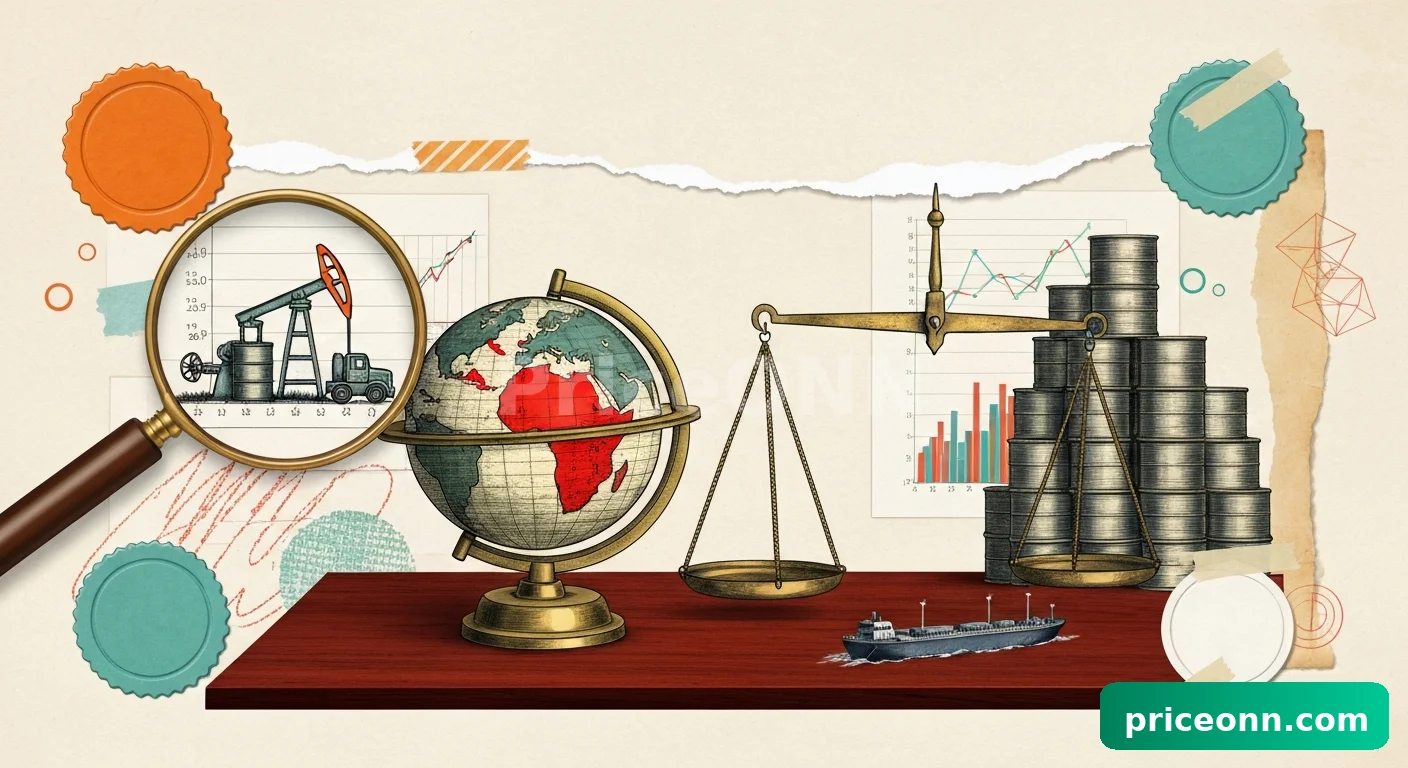
Global fuel prices are experiencing a dramatic surge, driven by the escalating conflict in the Middle East. This has led to substantial price hikes for gasoline and diesel across numerous countries, with some experiencing increases of up to 80%.
Market Context: The Ripple Effect of Geopolitical Tensions
The intensification of hostilities in the Middle East has sent shockwaves through global energy markets, directly impacting consumer pockets. From North America to Europe and Asia, the cost at the pump has climbed significantly. Retail prices for both gasoline and diesel have seen increments ranging from a moderate 5% to an alarming 80% in specific regions, with the Philippines notably recording the latter figure. This sharp escalation in fuel expenses presents a considerable challenge for households already navigating economic uncertainties. The widespread impact has prompted many governments to implement emergency measures aimed at mitigating the fallout, including temporary reductions in domestic sales levies and, in some cases, export restrictions.
Analysis & Drivers: Supply Fears and Government Interventions
The primary driver behind the current price surge is the heightened geopolitical risk associated with the Middle East conflict, which threatens critical oil supply routes. Countries heavily reliant on crude imports, such as India which sources roughly 50% of its oil from the region, are particularly vulnerable. India has already moved to protect its energy security and citizens by implementing a dual strategy: slashing domestic taxes on gasoline and diesel while imposing a levy on fuel exports. This approach seeks to manage internal demand and supply dynamics. The region's significance is underscored by the fact that approximately 90% of India's liquefied petroleum gas (LPG) transited through the Strait of Hormuz before the conflict intensified.
In response to these global pressures, Australia has enacted significant fiscal measures. The government announced it is halving the fuel excise tax on gasoline and diesel for three months. This move is expected to reduce the cost of filling a typical tank by approximately AUS$19 (around US$13). This tax cut is part of a broader strategy to ensure fuel supply stability and shield consumers. Furthermore, to ease operational burdens on the trucking industry, the Heavy Vehicle Road User Charge has been suspended for the same three-month period, with its next scheduled increase postponed by six months. Earlier in the month, Australia also temporarily relaxed its fuel quality standards, permitting higher sulfur content for a 60-day period to facilitate the use of a wider range of available fuel stocks.
Trader Implications: Watching for Supply Disruptions and Policy Shifts
Traders should closely monitor developments in the Middle East for any further escalation or de-escalation that could impact oil supply. Key technical levels for crude oil benchmarks like Brent and WTI will be crucial, with upward price momentum likely to persist as long as supply concerns remain elevated. The effectiveness of government intervention measures, such as tax cuts and strategic reserve releases, will also play a role in moderating price volatility in the short term. For currency traders, a sustained rise in energy prices could put pressure on import-heavy economies and their respective currencies, particularly those in Asia. Monitoring inflation data and central bank responses to energy-driven price increases will be paramount.
The current environment demands a cautious approach. Traders should be prepared for potential sharp price swings in both crude oil and related currency pairs. Key support levels for crude oil are being tested, and a sustained break above recent highs could signal further upside. Conversely, any signs of a diplomatic resolution or a significant increase in non-OPEC+ supply could lead to a sharp correction. Risk management through appropriate stop-loss orders and position sizing is essential in navigating this volatile market landscape.
Outlook: Sustained Volatility Expected
The outlook for global fuel prices remains highly sensitive to the geopolitical situation in the Middle East. As long as supply disruptions are perceived to be a significant risk, upward pressure on oil prices is likely to continue. Government interventions, while offering temporary relief, may not be enough to counteract sustained high crude prices, potentially leading to further inflationary pressures globally. Traders and consumers alike should brace for continued volatility in energy markets in the coming weeks and months, with any significant shifts in the geopolitical landscape acting as major catalysts for price action.
Frequently Asked Questions
What is causing the current surge in global fuel prices?
The primary driver is the escalating conflict in the Middle East, which has heightened concerns over oil supply disruptions. This geopolitical tension has led to a significant increase in crude oil prices, directly translating to higher gasoline and diesel costs for consumers worldwide, with some nations seeing price hikes up to 80%.
How is Australia responding to the fuel price crisis?
Australia has announced it will halve its fuel excise tax on gasoline and diesel for three months. This measure is estimated to reduce the cost of filling a typical fuel tank by approximately AUS$19 (around US$13) and is part of a broader effort to protect consumers and ensure supply stability.
What should traders watch for in the coming weeks?
Traders should closely monitor geopolitical developments in the Middle East for any impact on oil supply. Key technical levels for crude oil, inflation data, and central bank responses to energy-driven price increases will be critical. Expect continued volatility, with potential for sharp price swings in both crude oil and related currency pairs.
Track markets in real-time
Empower your investment decisions with AI-powered analysis, technical indicators and real-time price data.
Join Our Telegram Channel
Get breaking market news, AI analysis and trading signals delivered instantly to your Telegram.
Join Channel
PriceONN