
Middle East Conflict Fuels Global Fuel Price Surge: What Traders Need to Know
Global fuel prices are experiencing a dramatic surge, a direct consequence of escalating conflict in the Middle East. This has led to significant increases in the retail prices of gasoline and diesel across continents, with some countries seeing hikes between 5% and 80%. The widespread impact is forcing governments to implement emergency measures to shield consumers and stabilize markets.
Market Context
The ongoing geopolitical tensions in the Middle East have disrupted global oil supply chains, pushing crude oil prices to elevated levels. This has directly translated into higher costs at the pump for consumers worldwide. Market data indicates that gasoline and diesel prices have climbed considerably, with the Philippines reporting an extreme 80% increase. This situation is creating significant financial pressure on households and businesses, prompting urgent responses from various national administrations. These responses often include temporary reductions in domestic sales taxes and duties, and in some cases, restrictions or new tariffs on fuel exports to manage internal supply and demand dynamics.
Analysis & Drivers
The primary driver behind the current fuel price surge is the heightened risk premium associated with the Middle East conflict. Approximately 90% of the Philippines' liquefied petroleum gas (LPG) supply, for instance, transited through the Strait of Hormuz prior to the recent escalation, highlighting the region's critical role in global energy transit. Nations heavily reliant on crude imports, such as India which sources roughly half of its needs from the Middle East, are particularly vulnerable. To mitigate the economic fallout, governments are enacting policy responses. India has already slashed domestic taxes on gasoline and diesel while imposing a levy on fuel exports. In Australia, the government announced a significant measure to halve the fuel excise on gasoline and diesel for three months, a move expected to reduce the cost of filling a typical tank by approximately AUS$19 (US$13). This policy aims to ease financial burdens on consumers and businesses navigating the current energy shock.
Trader Implications
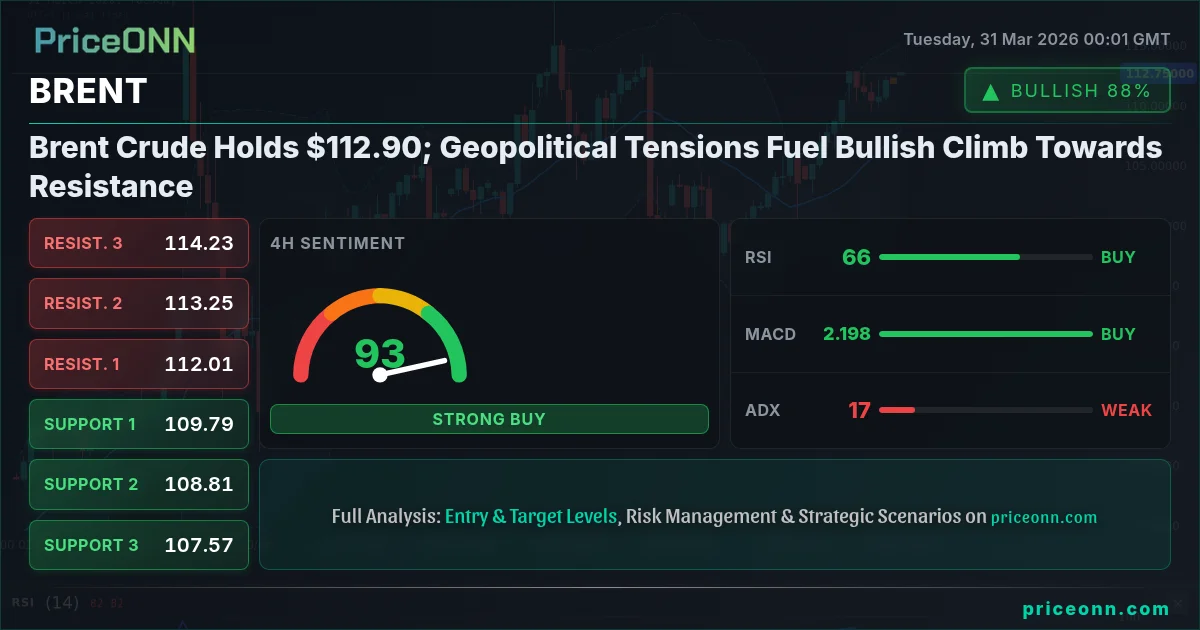
Traders should closely monitor the developments in the Middle East, as any further escalation or de-escalation will significantly impact oil prices and, consequently, fuel costs. Key indicators to watch include crude oil inventory levels, OPEC+ statements, and geopolitical risk assessments. For gasoline and diesel markets, the effectiveness of government intervention measures, such as tax cuts and export levies, will be crucial. Traders should also be aware of potential supply chain disruptions and shifts in demand patterns resulting from these elevated prices. Key support and resistance levels for crude oil benchmarks like WTI and Brent will be critical for short-term trading strategies. The current market sentiment suggests a bullish bias for oil prices as long as geopolitical tensions persist, but any signs of a diplomatic resolution could trigger sharp price corrections.
Outlook
The outlook for global fuel prices remains highly sensitive to the geopolitical situation in the Middle East. Should the conflict intensify, further price increases are likely, potentially leading to more aggressive government interventions and increased inflationary pressures globally. Conversely, a swift de-escalation could see prices retrace some of their recent gains. Traders should remain vigilant, prepared to adjust positions based on evolving news flows. Upcoming economic data releases, particularly inflation figures and consumer spending reports from major economies, will also provide insights into the broader economic impact of these energy price shocks. The potential for increased volatility in energy markets is significant in the coming weeks.
Frequently Asked Questions
How much have fuel prices increased globally due to the Middle East conflict?
Retail prices for gasoline and diesel have seen increases ranging from 5% to 80% in various countries. The Philippines, for example, has experienced a record 80% jump.
What measures are governments taking to combat rising fuel prices?
Governments are implementing emergency measures such as temporary reductions in domestic sales taxes and duties, as seen in India and Australia. Australia is halving its fuel excise for three months, expected to save consumers about AUS$19 (US$13) per tank refill.
What is the immediate outlook for crude oil prices?
The outlook for crude oil prices is highly dependent on geopolitical developments in the Middle East. Continued tensions suggest sustained high prices, while de-escalation could lead to price retracements. Traders should watch for changes in crude inventory and geopolitical risk sentiment, with WTI and Brent benchmarks providing key trading levels.
Track markets in real-time
Empower your investment decisions with AI-powered analysis, technical indicators and real-time price data.
Join Our Telegram Channel
Get breaking market news, AI analysis and trading signals delivered instantly to your Telegram.
Join Channel
PriceONN