Brent Crude Eyes $100 as Strait of Hormuz Tensions Escalate

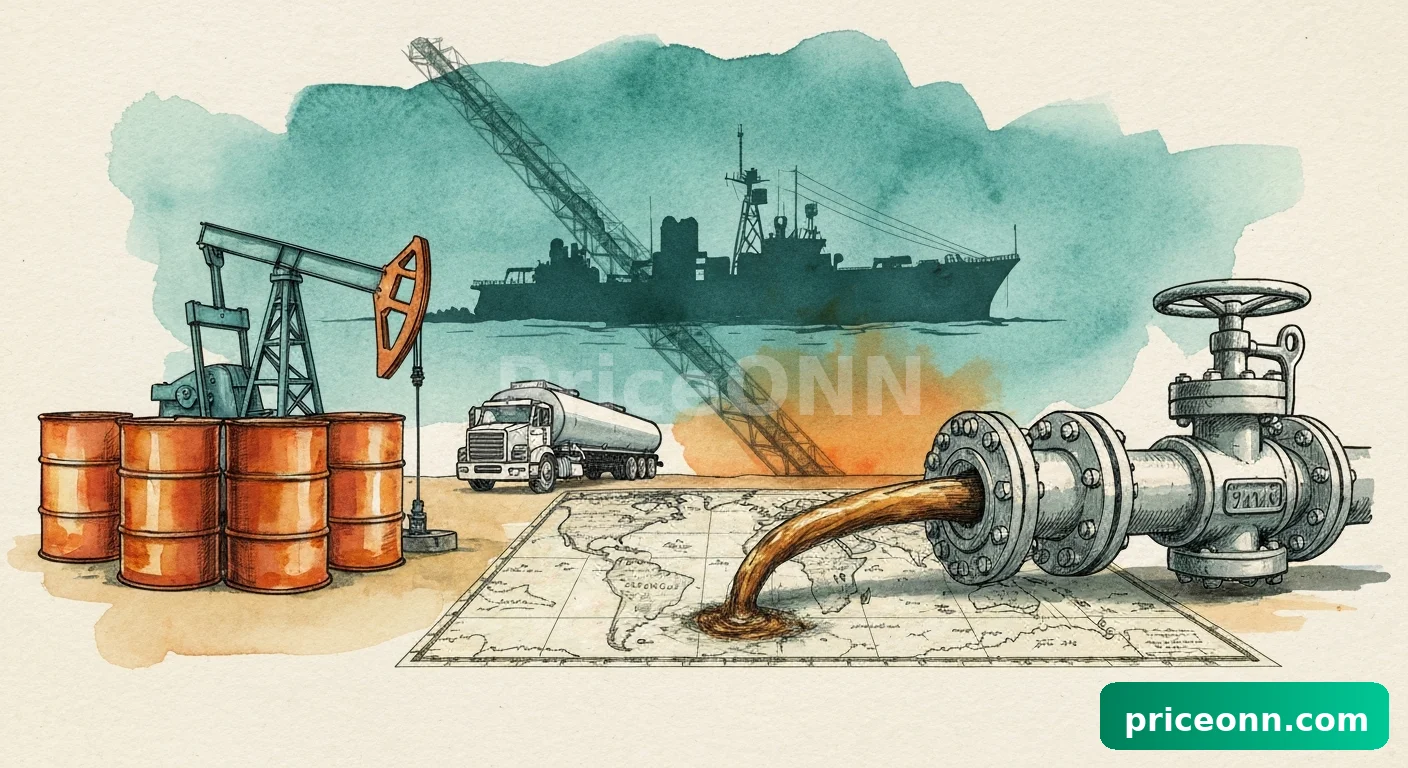
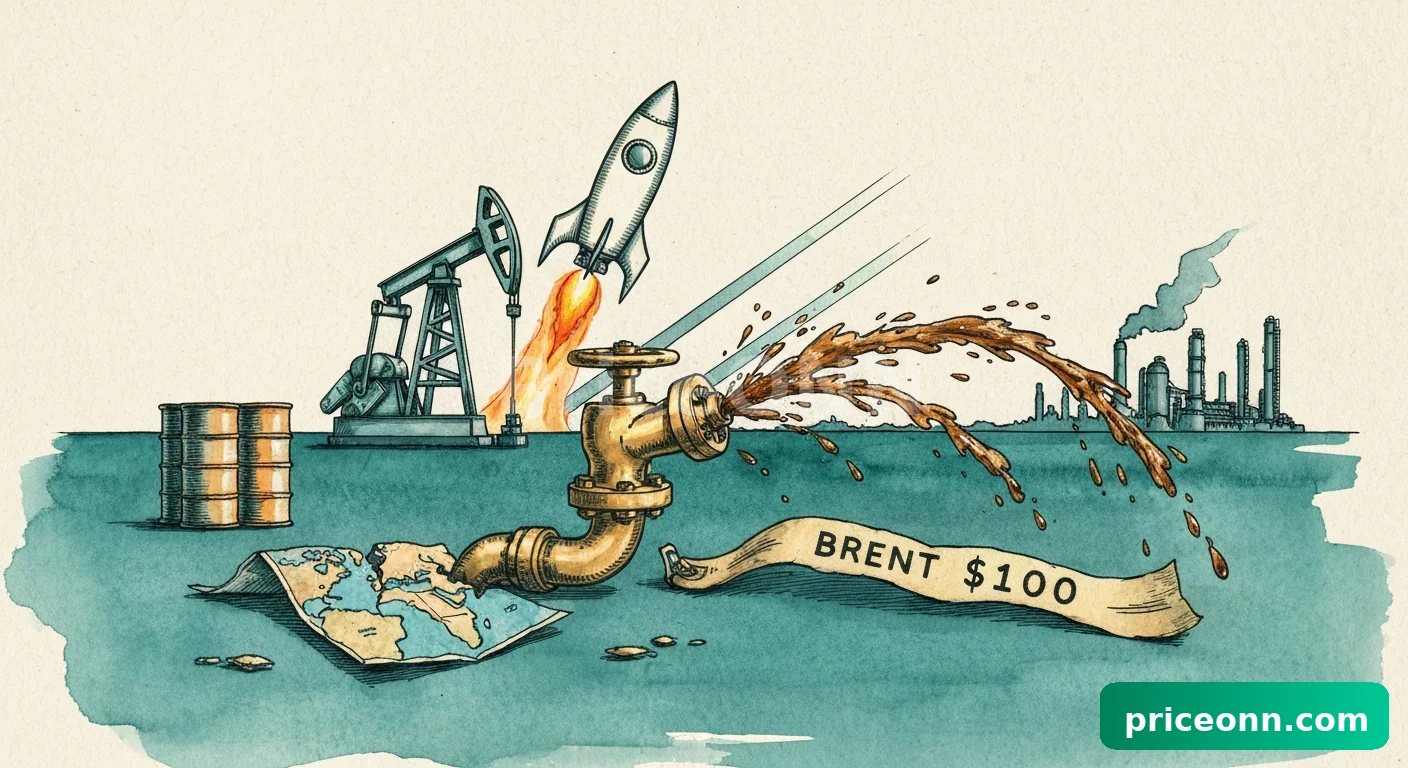
Brent crude is poised to close above $100 a barrel, a level not seen since 2022, as escalating tensions around the Strait of Hormuz disrupt global oil flows. The benchmark is on track to settle above this key psychological threshold, even as the United States eases sanctions on Russian oil and the International Energy Agency (IEA) considers releasing strategic petroleum reserves (SPR).
Market Context
The Strait of Hormuz, a critical chokepoint for global oil supplies, has become a focal point of concern. Since the beginning of the conflict two weeks ago, reports indicate at least 18 vessels have been struck, raising fears of further disruptions. This closure significantly impacts global energy markets, especially considering that millions of barrels of crude oil and refined petroleum products, along with 20% of the global LNG supply, pass through this waterway daily.
The impact on Gulf oil producers has been substantial. Estimates suggest they have already lost over $15 billion in oil and gas revenues since the start of the conflict. These losses stem from the disruption of supplies that cannot transit the Strait of Hormuz. Prior to the crisis, these supplies were valued at approximately $1.2 billion per day, based on average 2025 prices and volumes.
Analysis & Drivers
The current crisis is driven by escalating geopolitical tensions. The new Supreme Leader in Iran has pledged to continue blocking the Strait of Hormuz, viewing it as a strategic lever. This stance has been reinforced by recent attacks, including unmanned Iranian drones striking tankers in Iraqi waters. The situation is further complicated by limited alternative routes to bypass the Strait.
Despite the severity of the situation, the European Union has stated that it does not see any 'immediate concern' regarding the security of its oil supplies. However, several EU members, including Germany, France, and Italy, have announced SPR releases, aligning with IEA guidance. The US Energy Secretary acknowledged the difficulties in providing Navy escorts for oil tankers through the Strait of Hormuz, while dismissing claims that oil could soon trade at $200 a barrel, citing adequate global supplies.
The US government has also issued a 30-day waiver allowing countries to purchase Russian oil and petroleum products already at sea, provided they were loaded before March 12. This move aims to mitigate rising crude oil prices amid the blocked Strait of Hormuz flows. However, the long-term effectiveness of this waiver remains uncertain, given the ongoing geopolitical risks.
Trader Implications
Traders should closely monitor geopolitical developments surrounding the Strait of Hormuz. Any further escalation could lead to significant price spikes. Key levels to watch include the $100 mark for Brent crude, as a sustained break above this level could trigger further upward momentum. Conversely, a failure to hold above $100 could signal a potential pullback.
Here are key factors for traders to consider:
- Geopolitical Risk: Monitor news and developments related to the Strait of Hormuz and US-Iran relations.
- Supply Disruptions: Assess the extent of supply disruptions and their impact on global oil balances.
- SPR Releases: Track SPR releases by major economies and their effectiveness in offsetting supply losses.
- Technical Analysis: Use technical indicators to identify potential entry and exit points.
Given the heightened volatility, traders should also manage their risk exposure carefully. Stop-loss orders can help limit potential losses, while diversification can reduce overall portfolio risk.
The situation also presents opportunities in related markets. Companies involved in oil transportation, storage, and alternative energy sources could benefit from the current environment. However, thorough due diligence is essential before making any investment decisions.
The potential shutdown of LNG production by Qatar at Ras Laffan, the world’s largest liquefaction complex, and the combined impact with disruptions from the United Arab Emirates, traps 20% of global LNG supply in the Gulf. This creates opportunities for LNG producers outside the region.
Alternative routes, such as Saudi exports from the Yanbu terminal on the Red Sea, are insufficient to compensate for the lost supply from the Strait of Hormuz. While the East-West pipeline in Saudi Arabia has a theoretical capacity of 7 million barrels per day, the actual loading capacity at Yanbu is estimated to be around 3 million barrels per day.
The current situation highlights the vulnerability of global energy markets to geopolitical risks. Traders must remain vigilant and adapt their strategies accordingly.
Outlook
Looking ahead, the outlook for oil prices remains highly uncertain, contingent on the resolution of tensions in the Strait of Hormuz. Further attacks on vessels or infrastructure could trigger additional price surges. Conversely, a de-escalation of the conflict could lead to a price correction. Traders should closely monitor diplomatic efforts and any signs of a potential resolution. Market sentiment is likely to remain bullish in the near term, given the ongoing supply risks, but a shift in geopolitical dynamics could quickly alter the trajectory.
Track markets in real-time
Empower your investment decisions with AI-powered analysis, technical indicators and real-time price data.
Join Our Telegram Channel
Get breaking market news, AI analysis and trading signals delivered instantly to your Telegram.
Join Channel