
Can the Fed Navigate Inflationary Headwinds Without a Clear Rate Path?
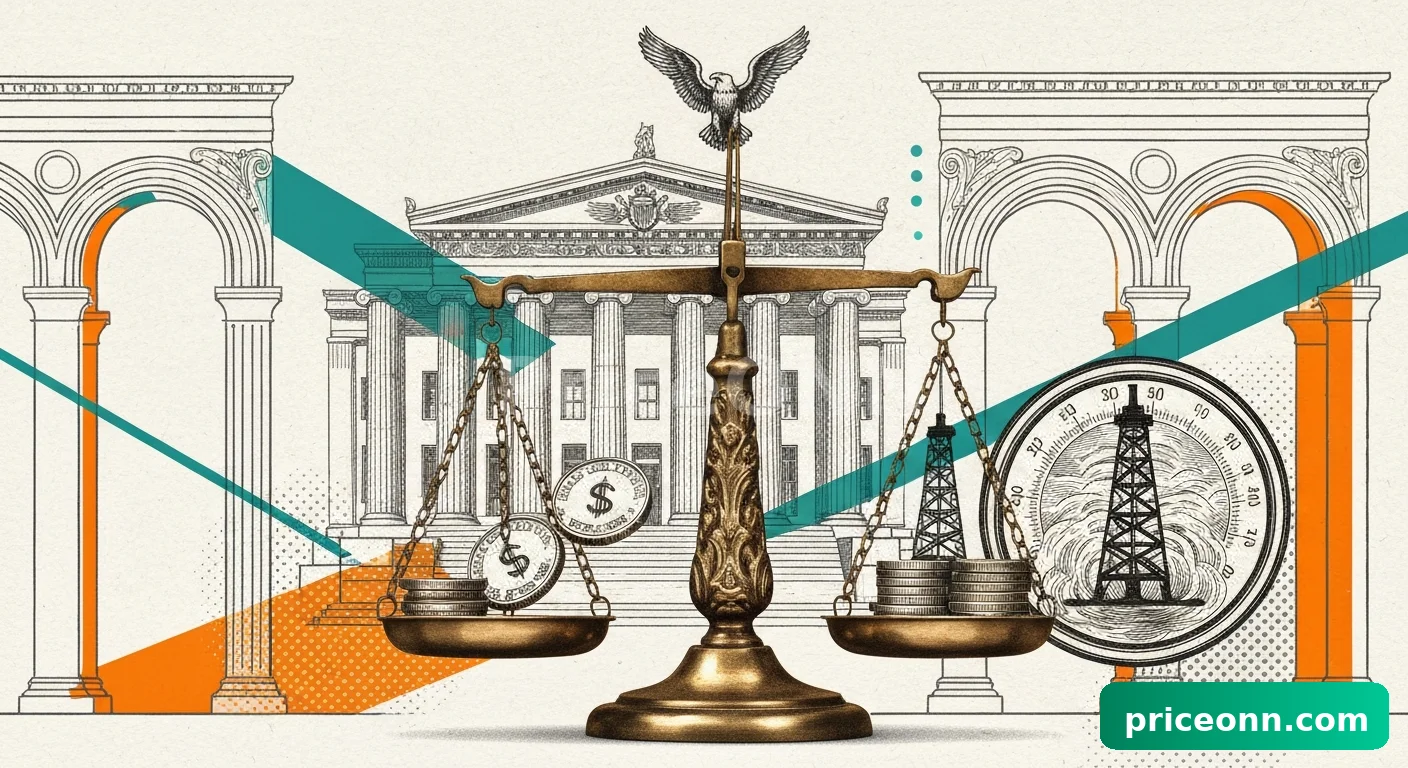
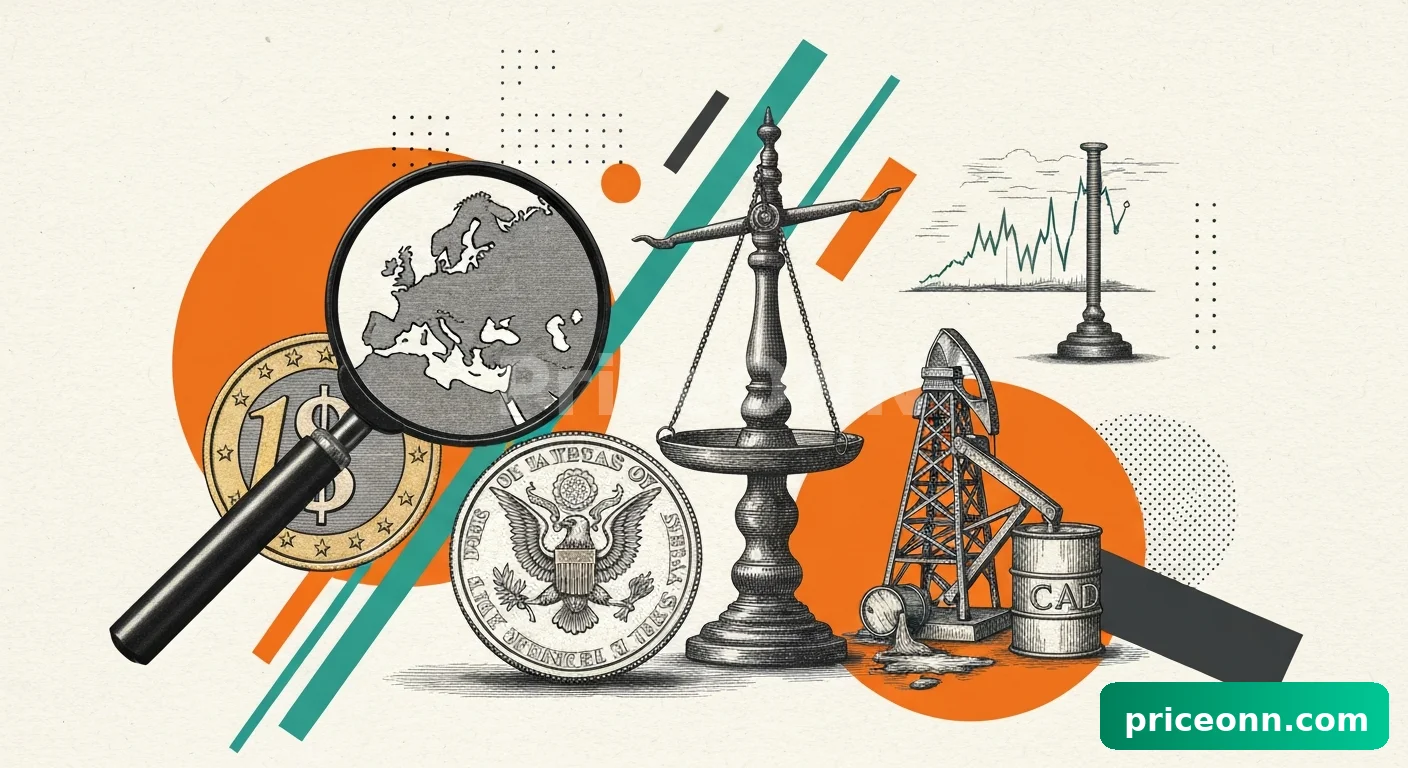
The US Dollar is navigating a complex landscape as Federal Reserve officials signal an uncertain monetary policy outlook. San Francisco Fed President Mary Daly recently stated that there is no single most likely path forward for interest rates, especially if geopolitical events, such as the ongoing conflict in Iran, lead to sustained increases in oil prices. This ambiguity is creating significant headwinds for the greenback as traders and investors attempt to decipher the Fed's next move.
Market Context
The Federal Reserve operates under a dual mandate: to foster stable prices and achieve maximum employment. Its primary tool for influencing the economy is the federal funds rate. When inflation rises above the Fed's 2% target, the central bank typically hikes rates to cool demand, which can strengthen the US Dollar by increasing the attractiveness of dollar-denominated assets. Conversely, if inflation falens or the economy weakens, the Fed may cut rates to stimulate growth, potentially weakening the dollar.
Recent market data indicates that while inflation has shown signs of cooling from its peaks, persistent geopolitical risks, particularly concerning energy supply, could reignite price pressures. This delicate balance leaves the Federal Open Market Committee (FOMC) in a precarious position, with upcoming decisions heavily influenced by external factors beyond their direct control. The Fed's balance sheet management, including Quantitative Tightening (QT) which withdraws liquidity and typically supports the dollar, and Quantitative Easing (QE), which injects liquidity and can weaken it, also remain critical components of its policy toolkit.
Analysis and Drivers
President Daly's remarks underscore the challenge the Fed faces in a global environment marked by significant geopolitical uncertainty. A rapid resolution to the Iran conflict could allow the Fed to 'look through' temporary energy price spikes. However, a prolonged escalation could lead to sustained higher energy costs, complicating the inflation outlook and making a clear monetary policy path elusive. Higher oil prices can directly feed into consumer costs and indirectly impact business expenses, potentially creating a stagflationary environment where inflation rises and economic growth slows.
This uncertainty directly impacts currency markets. A Fed that is hesitant to cut rates due to inflation fears, or conversely, is forced to consider easing if economic growth falens significantly due to geopolitical shocks, creates volatility for the US Dollar. Traders are closely watching economic indicators for clues on inflation trends and labor market strength, alongside developments in global flashpoints that could influence energy prices. The interplay between these factors will be crucial in determining the Fed's policy trajectory and, consequently, the dollar's performance.
Trader Implications
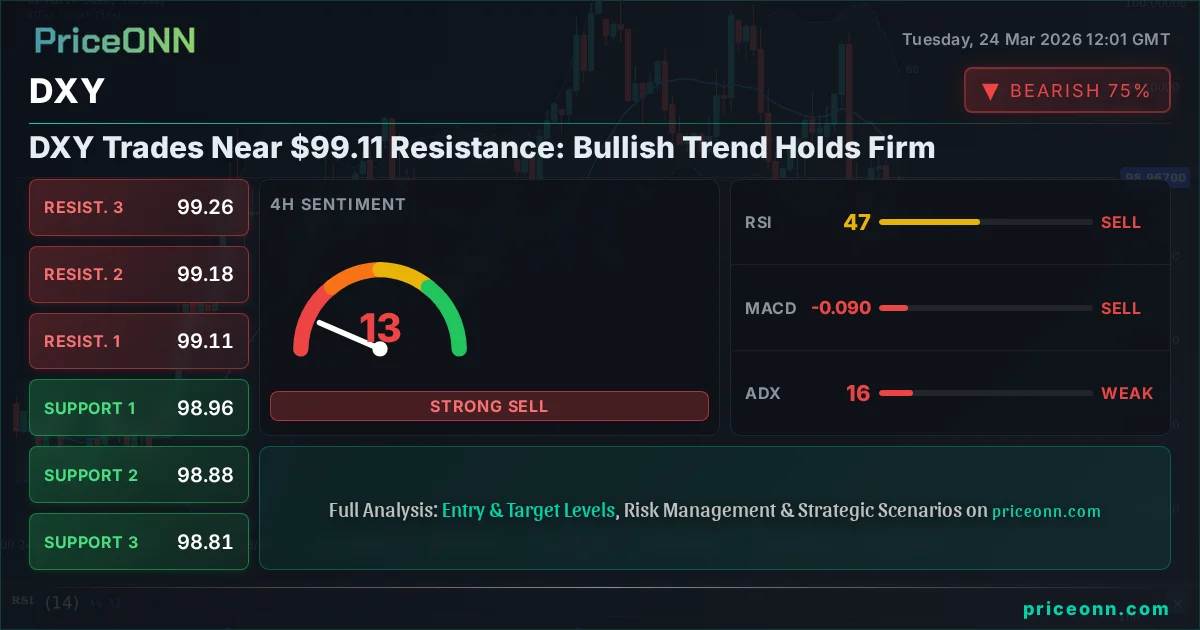
For forex traders, the Fed's uncertain stance translates to increased volatility and a need for careful risk management. Key levels to watch for the US Dollar Index (DXY) include its recent highs around 104.50 and the support near 103.00. A sustained move above 104.50 could signal renewed dollar strength driven by safe-haven demand or hawkish Fed expectations, while a break below 103.00 might indicate growing expectations for rate cuts or a worsening economic outlook.
Traders should monitor upcoming economic data releases, particularly inflation reports (CPI and PPI) and employment figures (Non-Farm Payrolls), as these will provide crucial context for the Fed's deliberations. Geopolitical developments, especially those impacting oil supply, should also be closely tracked. Given the lack of a clear policy path, a strategy focused on range trading within established support and resistance levels, or employing options strategies to hedge against unexpected moves, might be prudent. A break of key technical levels on significant volume could signal a shift in market sentiment and provide directional trading opportunities.
Outlook
The path ahead for the US Dollar remains clouded by geopolitical risks and the Federal Reserve's indecision on future monetary policy. Until a clearer picture emerges regarding the resolution of international conflicts and their impact on inflation, the dollar is likely to experience choppiness. Traders should remain vigilant, focusing on key economic data and geopolitical developments that could provide catalysts for significant price movements. The Fed's next FOMC meeting, scheduled for mid-April, will be under intense scrutiny for any hints about their reaction function to the evolving economic and geopolitical landscape.
Frequently Asked Questions
What specific data point indicates the Fed's inflation target?
The Federal Reserve's target for stable prices is an annual inflation rate of 2%. Current market data shows inflation has been above this target, creating policy challenges.
What are the immediate implications for the US Dollar if oil prices continue to rise due to geopolitical tensions?
Rising oil prices can fuel inflation, potentially delaying Fed rate cuts and supporting the dollar in the short term due to higher interest rate expectations. However, sustained high energy costs could also dampen economic growth, creating opposing pressures on the dollar, with the DXY potentially testing resistance near 104.50.
What key event should traders watch for clarity on the Fed's next move?
Traders should closely monitor the Federal Reserve's next FOMC meeting, scheduled for mid-April. Any commentary or revised economic projections will be critical for understanding the Fed's reaction function to current inflation and geopolitical risks.
Track markets in real-time
Empower your investment decisions with AI-powered analysis, technical indicators and real-time price data.
Join Our Telegram Channel
Get breaking market news, AI analysis and trading signals delivered instantly to your Telegram.
Join Channel
PriceONN