
Can Japan's U.S. Crude Stockpile Strategy Mitigate Gulf Conflict's Impact on Oil Prices?
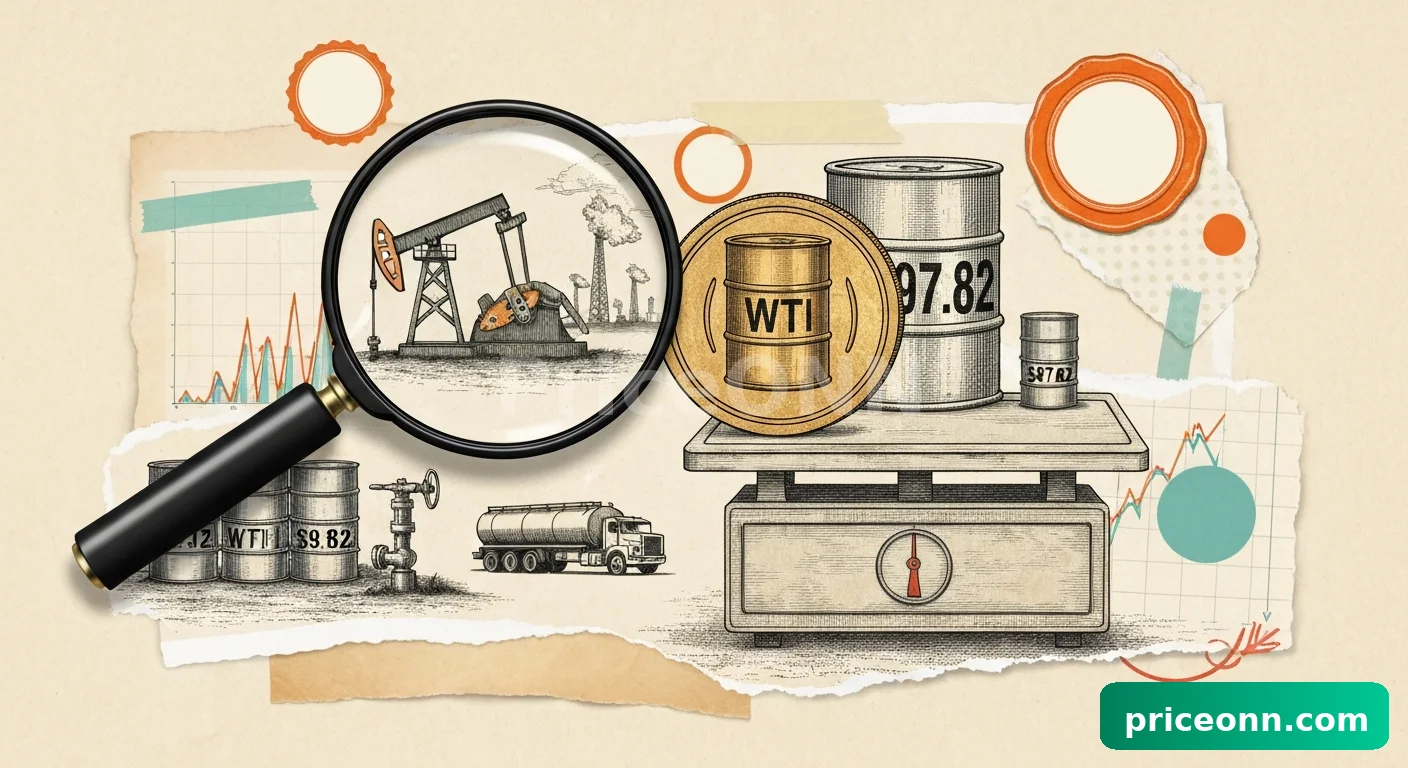
Crude oil prices have experienced a significant surge, with West Texas Intermediate (WTI) Crude for April delivery trading at $97.82 per barrel, up 1.75%, as fresh attacks in the Persian Gulf region renew fears of prolonged supply disruptions. This escalation, stemming from a conflict that began on February 28, has overshadowed earlier hopes for de-escalation and is prompting major energy consumers like Japan to re-evaluate their supply strategies.
Market Context
The recent spike in oil prices is directly attributable to renewed geopolitical instability in the Middle East. Attacks originating from Iran targeting energy infrastructure in Kuwait have reignited concerns over a protracted conflict, significantly impacting market sentiment. This follows a period where Iran retaliated against earlier strikes on its South Pars gas field by targeting energy facilities in Saudi Arabia, Qatar, and the United Arab Emirates. The damage to Qatar's primary Liquefied Natural Gas (LNG) plant in Ras Laffan is particularly noteworthy, with estimated repair times exceeding a year, a factor that has sent shockwaves through global energy markets. These events have compounded existing supply anxieties, including previous disruptions to the Strait of Hormuz, which had already led to production curtailments by Arab nations due to storage limitations.

Analysis & Drivers
The primary driver behind the current oil price rally is the escalating conflict between Iran and U.S.-allied forces, coupled with the resultant threat to critical energy supply routes and production facilities. The targeting of Qatar's LNG plant represents a substantial blow to global gas supplies, but the broader implications for crude oil are equally significant. Iran's prior actions, such as blockading the Strait of Hormuz, highlight the vulnerability of this crucial chokepoint. Despite assurances from Israel regarding restraint on targeting Iran's energy infrastructure, the persistent retaliatory actions suggest a volatile and unpredictable situation. This geopolitical backdrop is providing a strong tailwind for oil prices, pushing them to levels not seen in recent weeks, and overshadowing any potential demand-side concerns or signals of de-escalation.
Trader Implications
Traders should closely monitor the geopolitical developments in the Persian Gulf, as any further escalation or disruption to key production or transit points could lead to additional price volatility. Key levels to watch for WTI crude include the recent high of $97.82, with potential resistance around the $100 per barrel mark if supply fears intensify. Conversely, any concrete signs of diplomatic resolution or de-escalation could trigger a sharp pullback. The damage assessment and repair timelines for Qatar's LNG facility will also be a crucial factor, impacting natural gas prices and potentially influencing broader energy market sentiment. For traders, this environment necessitates a cautious approach, with a keen eye on risk management and the potential for rapid price swings.
Outlook
Looking ahead, the trajectory of oil prices will likely remain heavily dictated by the geopolitical situation in the Middle East. While Japan's consideration of stockpiling U.S. crude signals a long-term strategy to enhance energy security and diversify away from potential conflict zones, its immediate impact on prices will be limited. The focus remains on the immediate supply risks posed by the ongoing conflict. Should diplomatic efforts fail to yield a lasting ceasefire, crude oil prices could continue their upward trend, potentially testing higher psychological barriers. Market participants will be looking for any official statements from involved nations and international bodies that could indicate a shift in the conflict's dynamics.
Frequently Asked Questions
What is the current price of WTI Crude and what has caused the recent surge?
WTI Crude for April delivery is trading at $97.82 per barrel, up 1.75%. The surge is driven by renewed geopolitical tensions in the Persian Gulf, specifically fresh attacks on energy infrastructure in Kuwait originating from Iran, which have heightened concerns over supply disruptions.
How significant is the damage to Qatar's LNG plant and what are its implications?
The state-owned QatarEnergy confirmed extensive damage to its primary LNG plant in Ras Laffan, with estimated repair times exceeding a year. This significant disruption to a key global gas supply source is sending shockwaves through energy markets and contributing to overall price volatility.
What is Japan's strategic move regarding U.S. crude oil?
Japan is exploring a joint project to stockpile crude oil sourced from the United States. This initiative aims to bolster Japan's energy security by diversifying its procurement sources away from potential geopolitical flashpoints, though its immediate impact on current market prices is expected to be minimal.
Track markets in real-time
Empower your investment decisions with AI-powered analysis, technical indicators and real-time price data.
Join Our Telegram Channel
Get breaking market news, AI analysis and trading signals delivered instantly to your Telegram.
Join Channel

PriceONN