
China's $120 Billion Mining Push Reshapes Global Critical Mineral Supply Chains
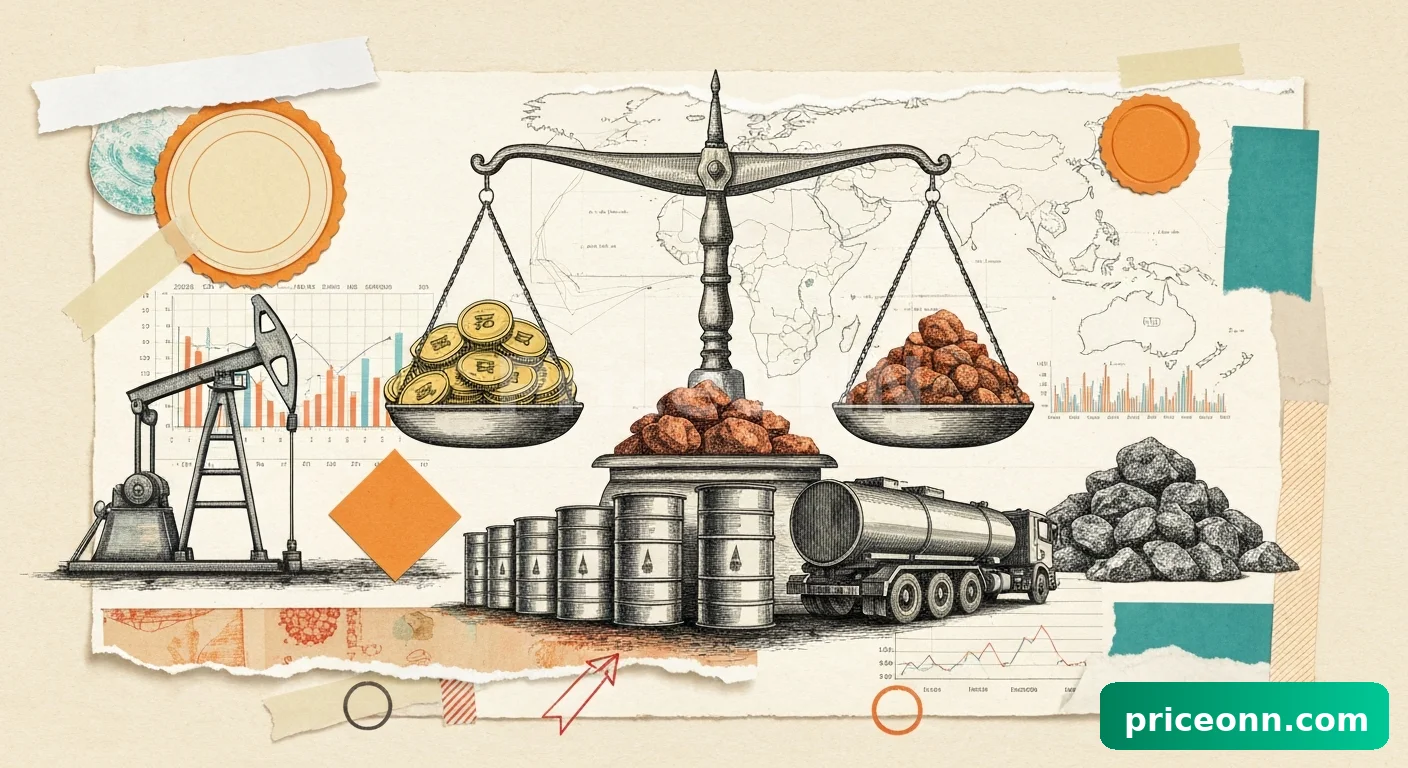
Beijing has injected a staggering $120 billion into overseas mining and mineral processing ventures since the beginning of 2023, according to recent industry analysis. This massive capital outlay, detailed in a report by Australia's Climate Energy Finance, is strategically focused on securing essential raw materials like lithium, copper, nickel, and rare earth elements – the very cornerstones of the global transition to clean energy and decarbonization technologies.
Market Context
This significant investment surge has a dual effect. On one hand, it is undeniably bolstering the growth of green energy industries in developing nations by providing crucial funding for extraction and processing infrastructure. On the other hand, it is amplifying concerns surrounding potential debt risks for recipient countries and the increasing consolidation of vital mineral supply chains under Chinese influence. The investments extend beyond simple resource acquisition, encompassing substantial outlays on supporting infrastructure such as ports, rail networks, and energy facilities. This comprehensive approach aims to guarantee long-term resource access, tighten control over critical supply chains, and reduce China's reliance on traditional resource suppliers, signaling a calculated strategic maneuver on the global economic stage.
Analysis & Drivers
China's already dominant position in the processing of critical minerals is being further solidified by this aggressive overseas investment strategy. The nation currently controls approximately 90% of global rare earth refining and battery component processing, alongside a substantial 60% of lithium processing. This new wave of investment is not just about securing future supply; it's about cementing existing market leadership and potentially dictating global pricing and availability. A prime example of this strategy is evident in Africa, particularly in the Democratic Republic of Congo (DRC). Here, CMOC Group, in partnership with CATL, has progressed with the Kisanfu project, which holds one of the world's most significant deposits of copper and cobalt – key components for electric vehicle batteries. CMOC's earlier acquisition of a majority stake in the Tenke Fungurume Mine further underscores its expanding footprint and influence in resource-rich African nations.
Trader Implications
For traders and investors in the energy and commodities sectors, China's intensified focus on critical minerals presents both opportunities and risks. The increased investment is likely to support prices for lithium, copper, and nickel in the medium to long term, driven by sustained demand for electric vehicles and renewable energy infrastructure. However, the consolidation of supply chains and potential debt issues in developing nations could introduce volatility. Traders should closely monitor geopolitical developments in regions with significant mineral deposits, as well as policy shifts from major consuming nations aiming to diversify their own supply chains. Key levels to watch for copper futures (HG=F) might include resistance near $4.00 per pound and support around $3.50 per pound, while lithium carbonate prices (e.g., Lithium Carbonate FOB China) will be critical to track for EV battery cost trends. Understanding the flow of capital and the strategic intent behind these investments is paramount for navigating market sentiment and identifying potential trading opportunities or risks.
Outlook
The trajectory of global critical mineral markets will undoubtedly be shaped by China's ongoing investment strategy. While these moves secure vital resources for the green transition, they also present challenges related to market concentration and resource nationalism. Future developments will likely involve increased competition for these resources, potential diversification efforts by other major economies, and continued scrutiny of debt sustainability in investment recipient countries. Market participants should prepare for a dynamic environment where supply chain security and geopolitical factors play an increasingly significant role in price discovery for key energy transition metals.
Frequently Asked Questions
What is the total value of China's overseas mining investments since 2023?
Since the start of 2023, China has invested over $120 billion in international mining and mineral processing projects, focusing on critical minerals essential for clean energy technologies.
Which critical minerals are primarily targeted by these Chinese investments?
The primary targets for these investments are lithium, copper, nickel, and rare earth elements, which are fundamental components for electric vehicles, renewable energy infrastructure, and advanced electronics.
What are the main concerns arising from China's critical mineral investment strategy?
Key concerns include potential debt risks for the countries receiving investment and the increasing consolidation of global supply chains for critical minerals, potentially giving China significant leverage over future supply and pricing.
Track markets in real-time
Empower your investment decisions with AI-powered analysis, technical indicators and real-time price data.
Join Our Telegram Channel
Get breaking market news, AI analysis and trading signals delivered instantly to your Telegram.
Join Channel

PriceONN