
Is the Dollar's Safe Haven Status Fading Amid Divergent Central Bank Stances?
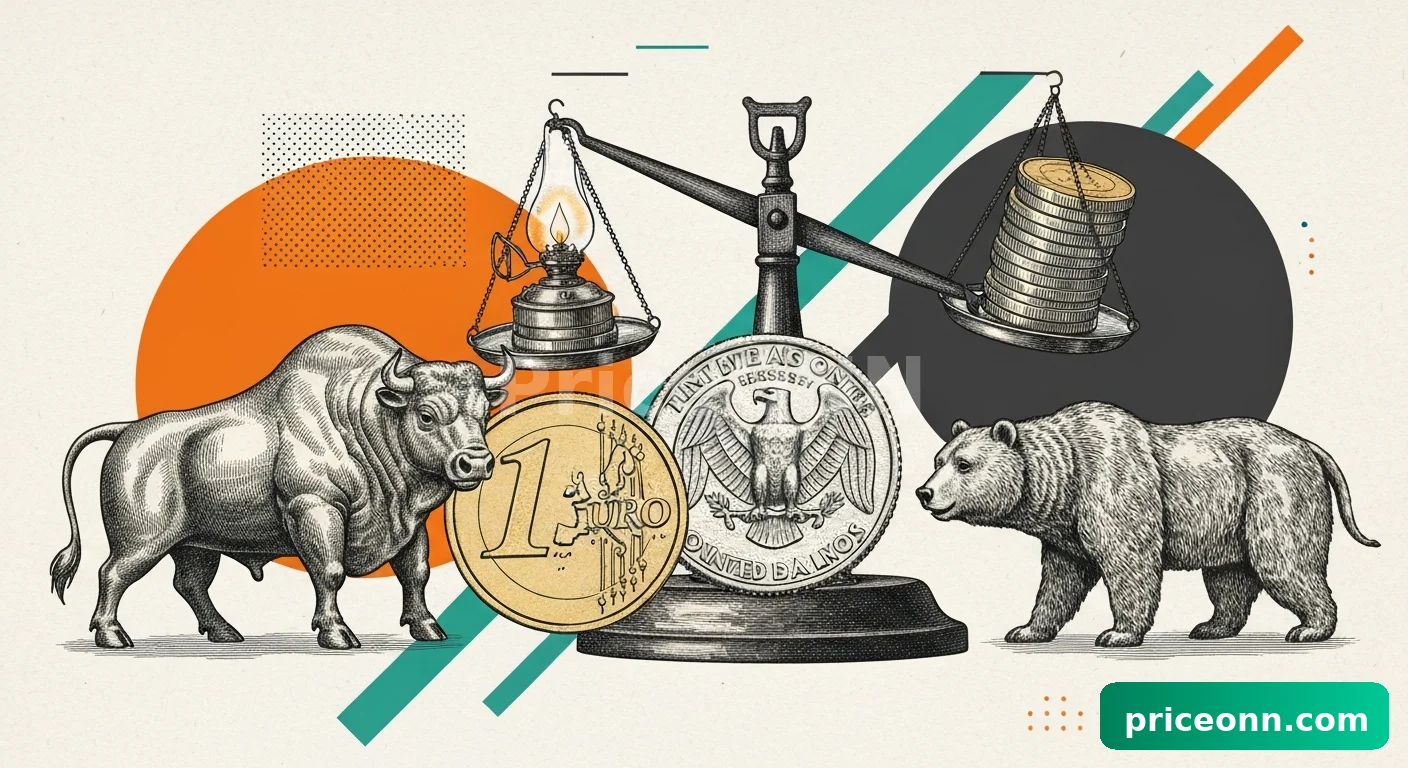
The US Dollar found itself in an uncharacteristic position last week, closing as the weakest performer among major currencies despite a confluence of factors that typically bolster its safe-haven appeal. A significant selloff in global equities, coupled with surging Treasury yields and intensifying geopolitical tensions, would normally drive strong demand for the greenback. However, this established relationship appeared to break down, with policy divergence emerging as the primary market driver.
Market Context
Last week's central bank communications revealed a significant divergence in how policymakers intend to address energy-driven inflation. Markets are increasingly pricing in more aggressive tightening from central banks like the European Central Bank (ECB), while the Federal Reserve (Fed) appears to be maintaining a more cautious stance. This has led to a notable policy divergence, which has dominated foreign exchange markets.
The Euro emerged as a strong performer, buoyed by rapidly increasing expectations of ECB monetary tightening. Similarly, Sterling held its ground, as traders priced in a meaningful probability of further tightening from the Bank of England (BoE) in response to building energy-driven inflation risks. In stark contrast, the Dollar lagged, as the Fed's perceived "hawkish wait" stance failed to keep pace with the tightening momentum observed in other major economies.
The risk-off sentiment deepened last week, with global equity markets extending their decline. Major indices experienced notable drops, with the Dow Jones Industrial Average falling approximately 2.1% to close near the 45,577.47 level, approaching a key medium-term support at 45,000. This increased risk aversion typically supports the Dollar, making its recent weakness a significant anomaly.
Analysis & Drivers
The primary catalyst for the Dollar's underperformance appears to be the growing disparity in central bank outlooks. The market's interpretation of the Fed's approach as less aggressive compared to the ECB and BoE in combating inflation is creating a powerful narrative for currency traders. As long as oil prices remain elevated and inflation risks persist, this dynamic is likely to continue favoring European currencies over the Dollar.
The inflation shock stemming from elevated energy prices presents a critical challenge for central banks. While the Fed is navigating this challenge, its communication and forward guidance suggest a measured approach. Conversely, the ECB and BoE appear more inclined to act decisively to anchor inflation expectations, even at the risk of dampening economic growth. This perceived policy divergence is a key driver of the current FX market sentiment.
Trader Implications
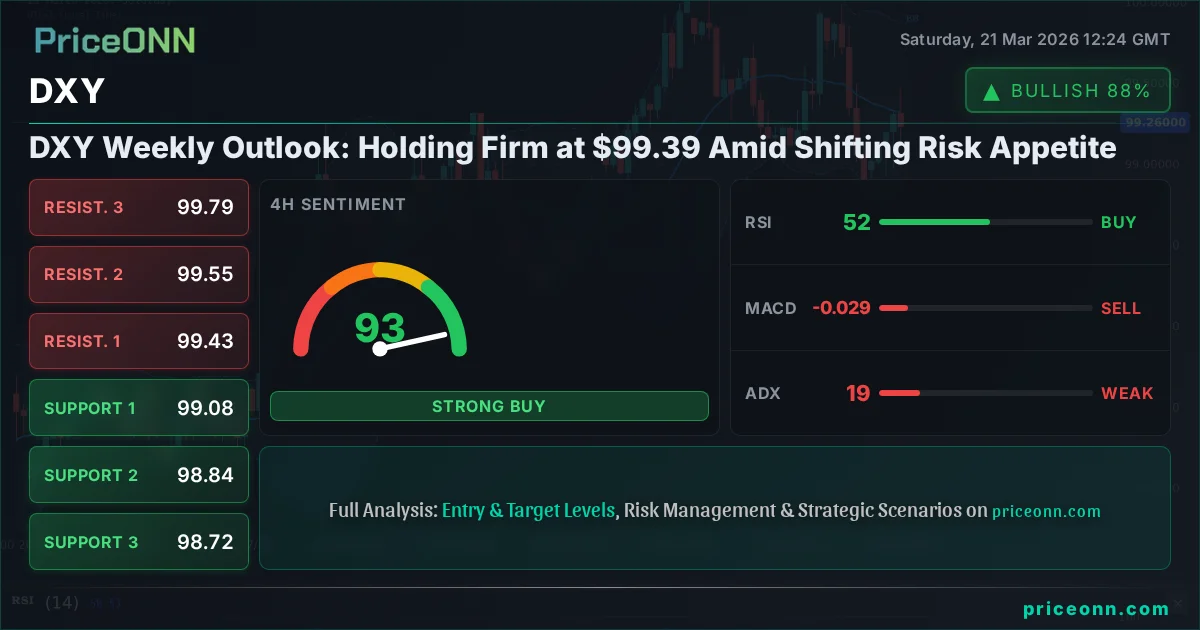
Traders should closely monitor the forward guidance from the Fed, ECB, and BoE for any shifts in their inflation-fighting strategies. Key levels to watch for the US Dollar Index (DXY) include immediate resistance around 103.50 and support at 102.00. A sustained move below 102.00 could signal further weakness.
For EUR/USD, a break and hold above the 1.0950 resistance level could open the door for a move towards 1.1000 and potentially higher, driven by strong ECB tightening expectations. For GBP/USD, the 1.2600 level is a crucial psychological and technical barrier; a sustained push above this could target 1.2700.
However, the Dollar's safe-haven status is not entirely diminished. A severe escalation in geopolitical tensions, leading to a liquidity shock or a widespread "peak fear" event, could rapidly restore demand for the greenback. Traders should remain vigilant for such tail risks.
Outlook
The ongoing policy divergence between major central banks, particularly the perceived hawkishness of the ECB relative to the Fed, is likely to remain a dominant theme in the Forex market. This dynamic suggests potential for continued Dollar weakness and relative strength in European currencies, provided oil prices remain elevated and inflation pressures persist. However, any significant geopolitical flare-ups could quickly alter this outlook, underscoring the importance of risk sentiment alongside central bank policy in shaping currency movements.
Frequently Asked Questions
Why did the US Dollar weaken last week despite rising Treasury yields?
The US Dollar's decline was primarily driven by a growing divergence in central bank policy expectations. Markets perceived the ECB as more hawkish than the Fed in combating inflation, leading to increased demand for the Euro and reduced demand for the Dollar, overriding typical safe-haven flows associated with rising yields.
What are the key levels to watch for EUR/USD?
Traders should watch for EUR/USD to break and hold above the 1.0950 resistance level. A successful breach could signal a move towards 1.1000 and potentially higher, supported by expectations of aggressive ECB tightening measures.
Could geopolitical risks restore the Dollar's safe-haven status?
Yes, a significant escalation in geopolitical tensions that triggers a liquidity shock or a "peak fear" event could rapidly restore the Dollar's safe-haven appeal. This scenario would likely see a reversal of the current trend, with investors flocking to the perceived safety of the greenback.
Track markets in real-time
Empower your investment decisions with AI-powered analysis, technical indicators and real-time price data.
Join Our Telegram Channel
Get breaking market news, AI analysis and trading signals delivered instantly to your Telegram.
Join Channel


PriceONN