
Is the Dollar's Safe-Haven Status Fading as Policy Divergence Grows?
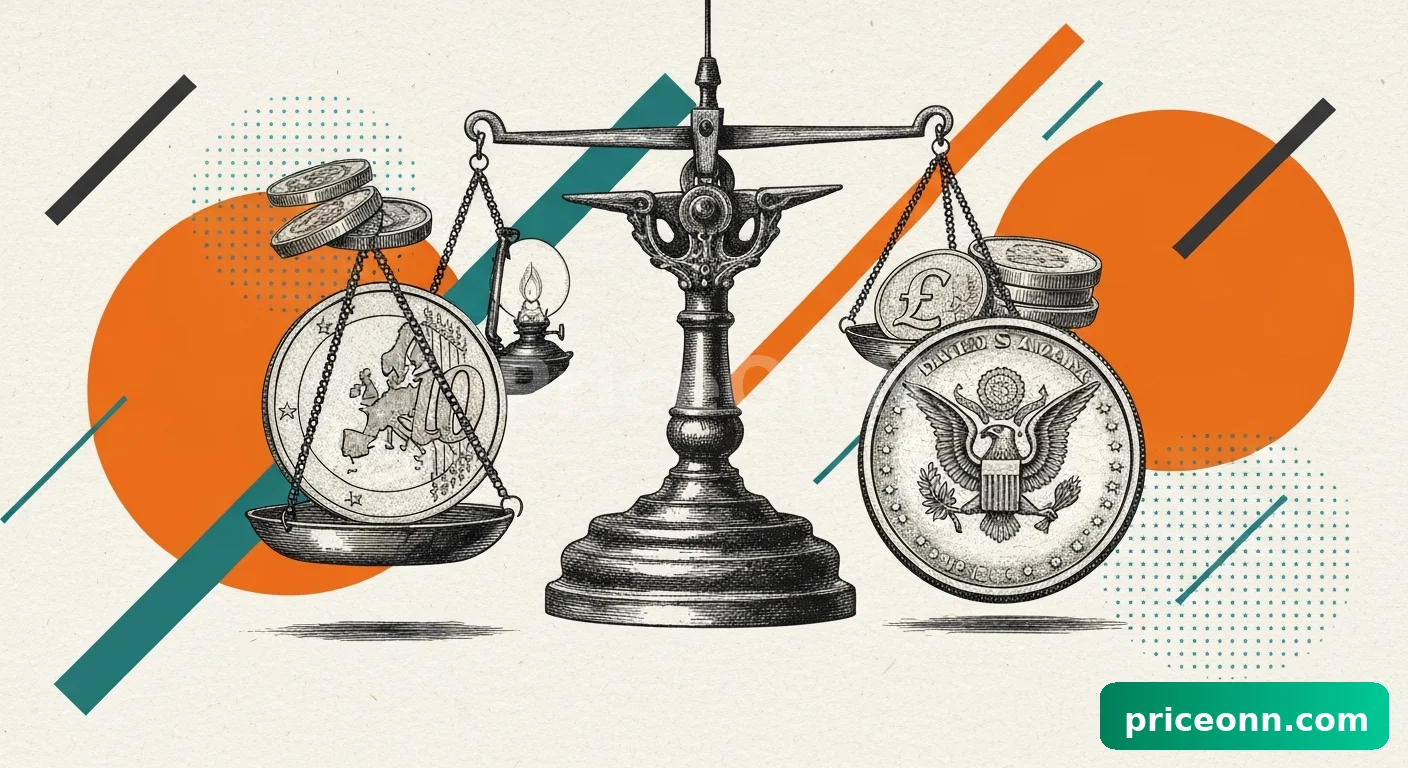
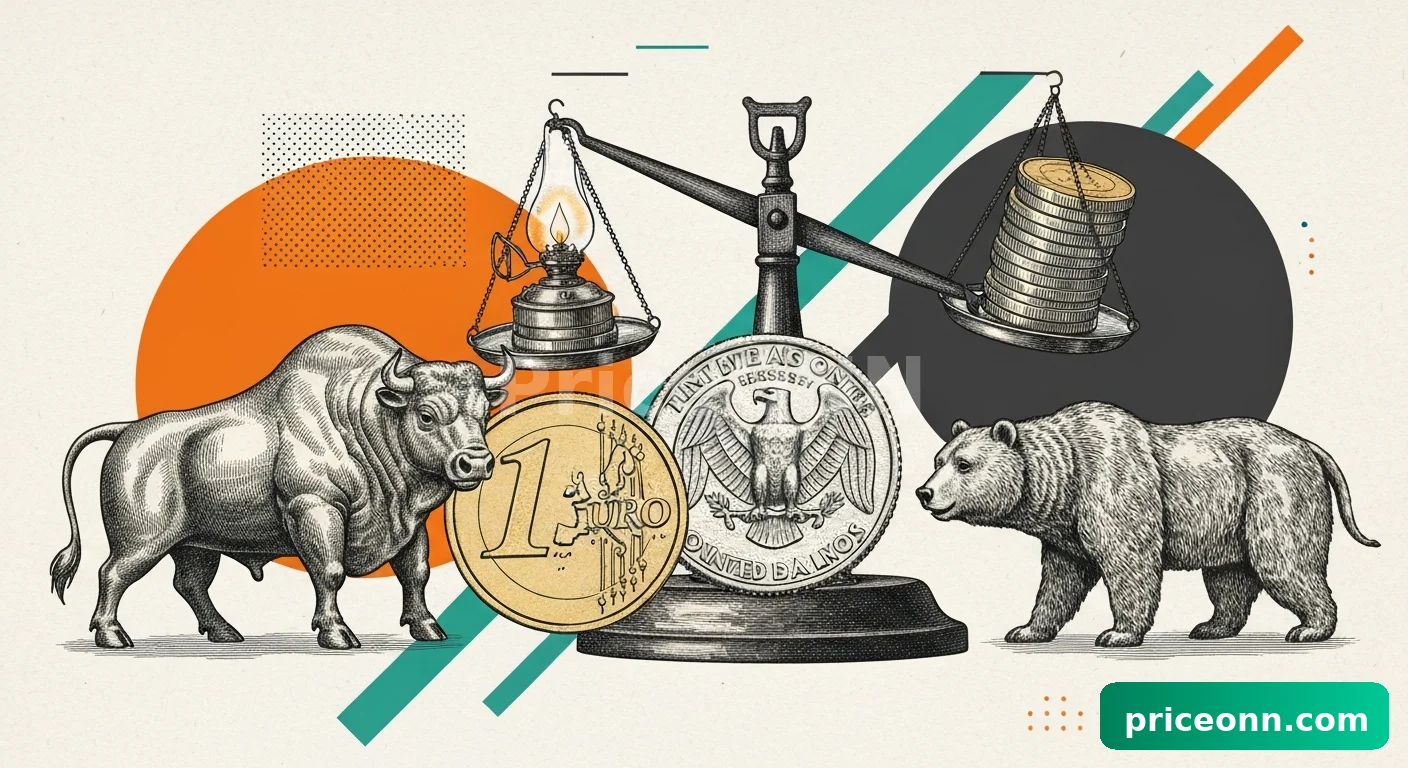
The US Dollar experienced an uncharacteristic slide last week, ending as the weakest major currency despite factors that typically bolster its safe-haven appeal. A sharp downturn in global equities, a surge in Treasury yields, and heightened geopolitical tensions would normally drive significant demand for the greenback. However, this established relationship faltered, indicating a shift in market drivers.
Market Context
Last week saw global equity markets extend their selloff, with the DOW falling approximately 2.1% to close near 45,577.47, approaching the crucial 45,000 support level. Concurrently, Treasury yields climbed, and geopolitical risks escalated. Despite these conditions, the Dollar failed to attract safe-haven flows. Instead, the Euro emerged as a strong performer, supported by increasing expectations of aggressive monetary tightening from the European Central Bank (ECB). Similarly, Sterling held its ground, as traders priced in a higher probability of further Bank of England (BoE) rate hikes amid rising energy-driven inflation concerns.
Analysis & Drivers
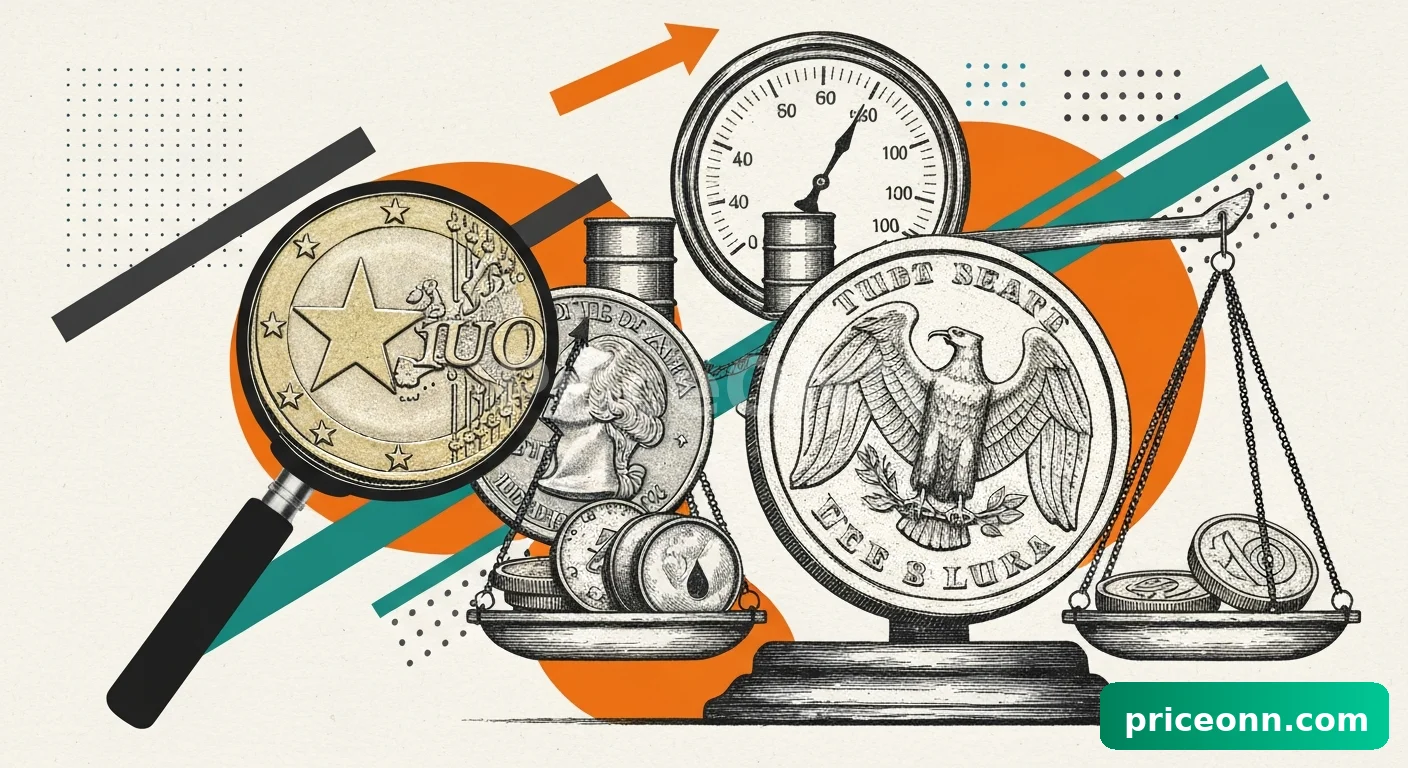
The primary catalyst behind the Dollar's weakness appears to be a growing divergence in central bank policy outlooks. Markets are increasingly anticipating that certain central banks, notably the ECB, will adopt a more hawkish stance to combat persistent inflation, especially inflation fueled by energy price shocks. This contrasts with the Federal Reserve's seemingly more cautious approach, characterized by what analysts are calling a "hawkish wait" strategy. Following a series of central bank communications last week, it became evident that the approach to energy-driven inflation might differ significantly across major economies. This policy divergence, rather than risk sentiment, has become the dominant factor influencing foreign exchange markets. As long as oil prices remain elevated and inflation risks persist globally, market participants are likely to continue pricing in more aggressive tightening paths for the ECB and BoE relative to the Fed. This dynamic is expected to exert downward pressure on the Dollar and foster relative strength in European currencies.
Trader Implications
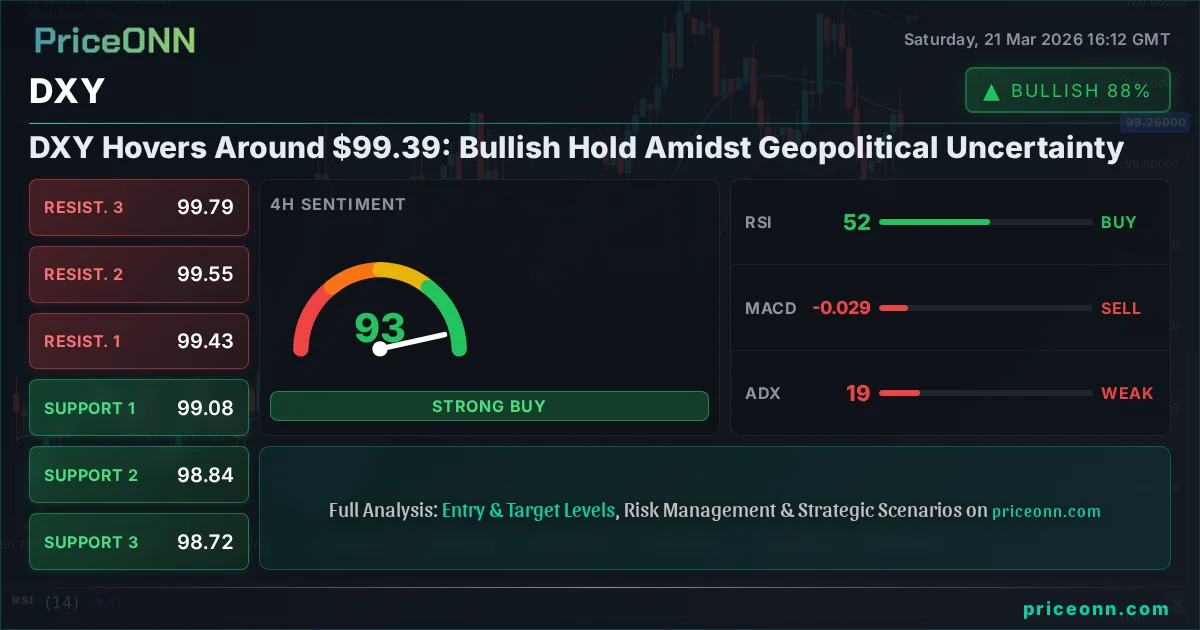
Traders should closely monitor the ongoing policy divergence between major central banks. The key levels to watch for the US Dollar Index (DXY) include potential support around 103.00 and resistance at 104.50. For EUR/USD, a sustained move above 1.0900 could signal further upside potential, targeting 1.1000. For GBP/USD, the 1.2700 level is a critical support, with a break below potentially opening the door to 1.2600. The primary risk factor remains a significant escalation in geopolitical tensions, which could trigger a liquidity shock and rapidly restore the Dollar's safe-haven status. Conversely, continued central bank divergence should favor a weaker Dollar trend. Traders looking to position themselves might consider favoring long positions in EUR and GBP against the USD, provided key support levels hold and inflation data continues to support hawkish central bank expectations.
Outlook
The prevailing market narrative suggests that policy divergence will continue to shape currency markets in the near term. Unless oil prices experience a sharp decline or geopolitical risks abate significantly, the expectation of tighter monetary policy from the ECB and BoE compared to the Fed is likely to persist. This outlook implies continued pressure on the US Dollar and potential for further gains in currencies like the Euro and Sterling. However, traders must remain vigilant for any sudden shifts in risk sentiment that could override these trends and re-establish the Dollar's safe-haven appeal.
Frequently Asked Questions
What is causing the US Dollar to weaken despite market turmoil?
The Dollar's weakness stems from a perceived divergence in central bank policies. Markets anticipate the ECB will tighten more aggressively than the Fed to combat inflation, reducing the appeal of the Dollar as a safe haven amidst market volatility. For example, the ECB is seen as prioritizing inflation control over Fed's current "hawkish wait" stance.
Which currency pairs should traders focus on given this divergence?
Traders should focus on pairs like EUR/USD and GBP/USD. A sustained break above 1.0900 for EUR/USD could target 1.1000, while GBP/USD holding above 1.2700 might see further upside. These pairs are directly influenced by the differing central bank policy expectations.
What could reverse the Dollar's current downtrend?
A significant reversal would likely be triggered by a severe escalation in geopolitical tensions, leading to a "peak fear" event and a substantial liquidity shock. Such a scenario would override policy divergence and restore the Dollar's traditional safe-haven demand, potentially pushing the DXY back towards 105.00.
Track markets in real-time
Empower your investment decisions with AI-powered analysis, technical indicators and real-time price data.
Join Our Telegram Channel
Get breaking market news, AI analysis and trading signals delivered instantly to your Telegram.
Join Channel
PriceONN