
The Dollar: Things Are Heading Towards De-Escalation
 PriceONN Editorial Desk
Multi-source verification
PriceONN Editorial Desk
Multi-source verification
Geopolitical Whispers Cool Greenback Demand
Whispers of potential diplomatic engagement between the United States and Iran are casting a shadow over the US Dollar Index, pushing it lower. This development, coupled with hawkish signals from the European Central Bank (ECB), is reshaping currency market dynamics.
The US dollar's downward trajectory accelerated following remarks from President Donald Trump suggesting Iran is keen on reaching an agreement. While such pronouncements have become a familiar narrative since April, often preceding periods of de-escalation after initial flare-ups, the market is reacting. This shift in sentiment is supported by broader market movements, including a rise in the S&P 500 and a retreat in Brent crude oil from recent peaks. Furthermore, declining Treasury bond yields are contributing to the headwinds facing the dollar.
ECB's Inflation Battle Fuels Euro Strength
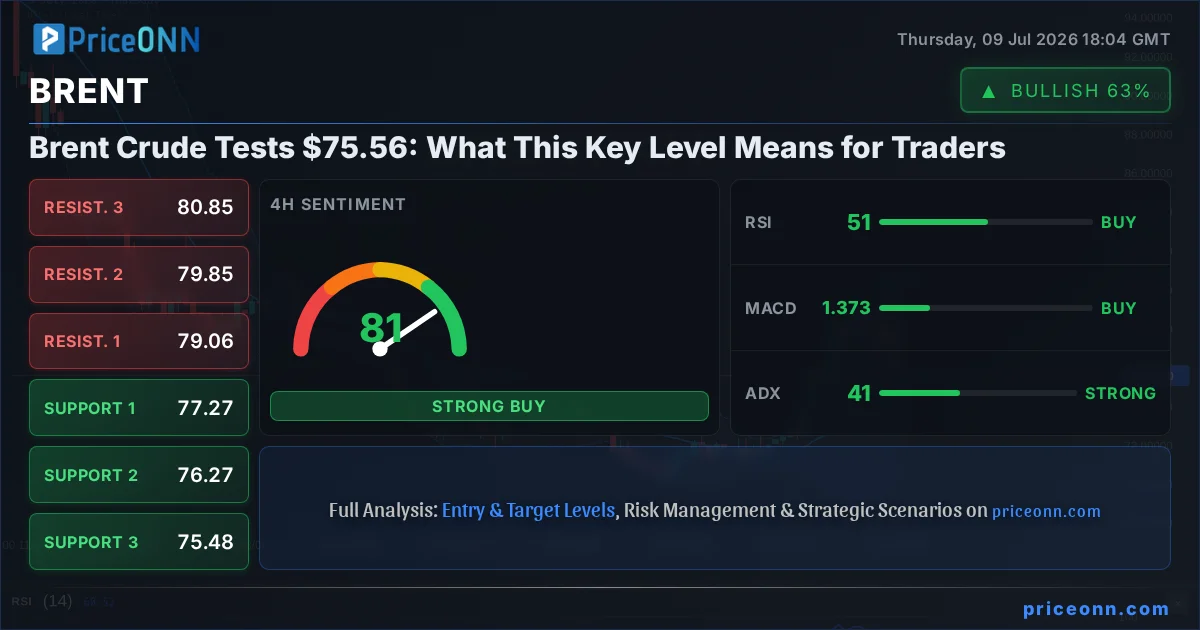
The stabilization of oil prices, particularly Brent crude holding above $76 per barrel, has reignited discussions around monetary policy tightening in Europe. Despite a reduction in tanker traffic through the Strait of Hormuz, from 30-50 to just 25 vessels, persistent hopes for US-Iran talks are capping further upside for oil.
Market participants are now assessing a 50% probability for two rounds of monetary tightening from both the European Central Bank and the Bank of England in 2026. Crucially, the probability of the ECB raising its deposit rate in September stands at a substantial 90%. Meeting minutes from the ECB's June session revealed concerns that inflation would remain above the 2% target well into the first half of 2027, even with three policy tightenings by then.
Recalling its perceived missteps in 2022, when it was criticized for a slow response to surging consumer prices, the ECB appears determined to avoid a repeat. Despite a weaker eurozone economy and higher existing borrowing costs compared to four years ago, the central bank is under pressure. Fears that escalating energy prices could embed into core inflation and that rising inflationary expectations are compelling the ECB to act decisively are palpable.
In contrast, the futures market is pricing in only a 40% probability of two Fed rate hikes, a significantly lower figure than for the ECB. This divergence is creating favorable conditions for the EURUSD pair.
Beyond Central Banks TACO Takes Center Stage
Interestingly, the current market narrative seems to be driven more by 'TACO' – an acronym possibly referring to geopolitical tensions and commodity price movements – than by central bank pronouncements alone. The persistent easing in oil prices, driven by de-escalation hopes, is directly influencing currency pairs.
The weakening US dollar has provided an opening for bears in the USDJPY pair. Adding fuel to this pullback was a statement from Satsuki Katayama, a Finance Minister. Her call for Japanese pension funds, including the Government Pension Investment Fund (GPIF), to boost their allocations to domestic assets resonated more strongly than prior verbal interventions aimed at currency levels.
Market Ripple Effects
The confluence of geopolitical de-escalation signals and hawkish central bank rhetoric, particularly from the ECB, creates a complex environment for traders. The retreat in the US Dollar Index suggests a potential shift in safe-haven demand, benefiting riskier assets and non-dollar currencies.
Specifically, the elevated probability of ECB rate hikes positions the Euro (EUR) for potential strength against the dollar, making EURUSD a key pair to monitor. Traders should also watch the Japanese Yen (JPY), as domestic policy encouragement for investment could support its recovery against the dollar. The easing in oil prices, while reducing inflation fears, also removes a key driver for commodity-linked currencies and could impact energy sector equities.
Key risks include the potential for geopolitical tensions to re-escalate unexpectedly, which would immediately bolster the dollar and oil prices. On the opportunity side, the diverging central bank paths between the US and Europe offer distinct trading avenues. Market participants should monitor the correlation between oil prices, inflation expectations, and the ECB's policy path. The effectiveness of Japan's domestic investment push will be crucial for USDJPY's trajectory.
Track markets in real-time
Empower your investment decisions with AI-powered analysis, technical indicators and real-time price data.
Join Our Telegram Channel
Get breaking market news, AI analysis and trading signals delivered instantly to your Telegram.
Join Channel PriceONN News
The EUR/USD pair attracts some buyers for the third consecutive day and touches a fresh weekly high, around the 1.1460 area, during the Asian session on Friday.
PriceONN News
Gold (XAU/USD) reverses a modest Asian session dip to the $4,109-$4,108 region on Friday, though it lacks bullish conviction. The US Dollar (USD) selling remains unabated for the third consecutive day in the wake of Wednesday's less hawkish FOMC Minutes and offers some support to the commodity.
PriceONN News
The US Dollar (USD) extends its losing streak for the third trading day on Friday amid signs of de-escalation in the ongoing clash between the United States (US) and Iran.
PriceONN News
The EUR/USD pair posts modest gains around 1.1430 during the early Asian session on Friday, bolstered by a softer US Dollar (USD).
PriceONN News
European currencies are showing mixed performance as they attempt to stabilise following their recent decline and the release of the Federal Reserve’s latest meeting minutes. The minutes revealed growing concern over persistent inflationary pressures, with several policymakers supporting the possibility of an immediate interest rate increase, while the majority maintained a more cautious approach to […] The post European Currencies Seek Stability Amid Rising Geopolitical Tensions appeared first...
PriceONN News
The USD/JPY pair tumbles to around 161.50 during the early European trading hours on Friday. The Japanese Yen (JPY) edges higher against the US Dollar (USD) after the reports that Japan plans to encourage pension funds to increase their holdings of domestic financial assets.
PriceONN News
The Japanese Yen (JPY) trades higher against the US Dollar (USD) despite renewed geopolitical risks.
PriceONN News
Gold fell to 4,032 USD per ounce on Thursday, marking its second consecutive day of decline. Pressure on the market intensified amid fears that a new escalation of conflict in the Middle East could disrupt energy supplies and accelerate inflation. The US military confirmed that it has been striking targets in Iran for the second […] The post Middle East Tensions Weigh on Gold appeared first on ActionForex.
PriceONN News
Oil is back in the driver’s seat, and both the pound and the aussie are feeling its grip. The Bank of England held rates at 3.75% in June, but with UK inflation at 2.8% and crude oil climbing on renewed Middle East tensions, markets now lean towards a hike before year-end. Down under, the Reserve […] The post GBP/AUD Analysis: the Tug-Of-War Begins appeared first on ActionForex.
PriceONN News
The minutes from the Reserve Bank of Australia’s (RBA) June meeting, released on 30 June, suggested that policymakers are not yet ready to rule out further policy tightening. Board members noted persistent excess demand and broad-based inflationary pressures across the economy, leaving the door open for another interest rate increase if required. Against this backdrop, […] The post Australian Dollar Holds Above the Current Market Profile appeared first on ActionForex.
PriceONN News
The NZD/USD pair trades in positive territory around 0.5775 during the early European session on Friday. The New Zealand Dollar (NZD) gathers strength to its strongest level in three weeks against the US Dollar (USD) on a hawkish rate hike from the Reserve Bank of New Zealand (RBNZ).
PriceONN News
Silver price (XAG/USD) trades 0.4% higher to near $60.22 during the European trading session on Friday. The white metal gains as the US Dollar (USD) continues to remain under pressure amid hopes that the restart of the war between the United States (US) and Iran won’t long last.