Europe's central banks are no longer in a 'good place' as Iran war upends forecasts
Economic Stability Shattered by Geopolitical Shockwaves
Just weeks ago, the economic narrative across Europe was one of cautious optimism. Inflation figures were hovering near the 2% target set by the European Central Bank, and the prevailing sentiment suggested that interest rates might hold steady or even decline. This benign outlook, however, has been profoundly disrupted by the outbreak of war in Iran. The conflict has destabilized the region's energy supplies, casting a long shadow over economic growth and injecting significant uncertainty into future price dynamics. Consequently, expectations for monetary policy across the continent have been dramatically recalibrated.
This Thursday marks a critical juncture as several key central banks, including the European Central Bank (ECB), the Bank of England (BoE), Sweden's Riksbank, and the Swiss National Bank (SNB), are slated to announce their latest policy decisions. More significantly, these announcements are anticipated to include their initial assessments of how the ongoing war, which commenced in late February, will influence their economic projections and policy paths.
Central Banks Confronting a New Reality
The European Central Bank's Dilemma
Prior to the recent escalation, the ECB was widely anticipated to maintain its benchmark interest rate. Eurozone inflation data had been remarkably stable, resting close to the desired 2% mark. Recent figures from Eurostat indicated a slight uptick to 1.9% in February, a marginal increase from January's 1.7%. ECB President Christine Lagarde had previously characterized the euro zone's economic standing as "in a good place," though she judiciously cautioned against complacency. That caution now appears prescient.
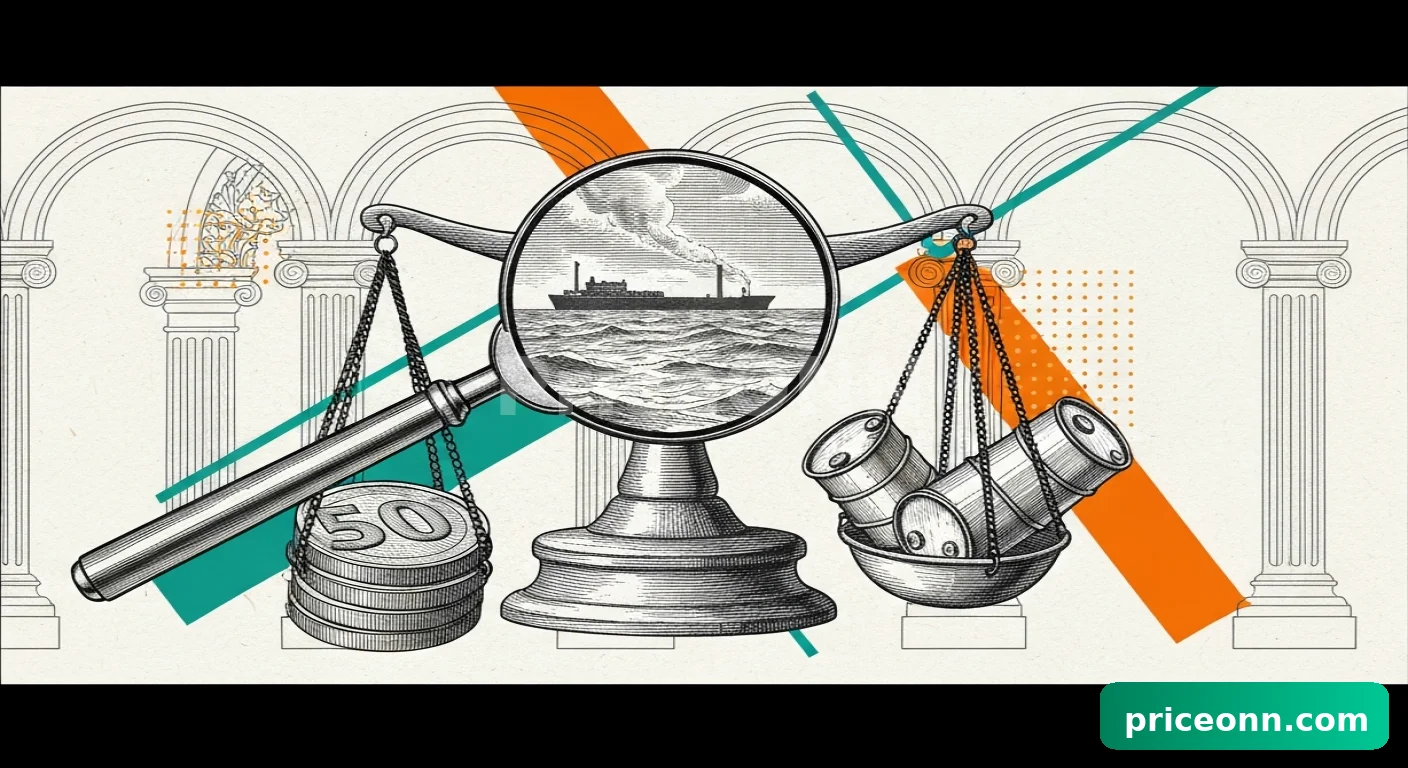
Traders are keenly awaiting the ECB's forward guidance. The potential closure of the Strait of Hormuz due to the conflict poses a direct threat to oil and gas shipments into Europe, a development that could reignite energy costs and fuel inflationary pressures. Market participants are bracing for a shift in tone from the central bank.
"On Thursday, we expect the ECB to keep the deposit rate at 2% for a sixth consecutive meeting. We expect the ECB will stress heightened geopolitical uncertainty and signal a more hawkish tone rather than move policy immediately. In our view, the new staff projections will likely show a short-term inflation overshoot driven by higher energy prices, before inflation returns to 2% next year," noted Konstantin Veit, a portfolio manager at PIMCO, this week. He anticipates headline inflation could peak near 3% this year, with energy costs contributing approximately one percentage point to that rise.
The Bank of England's Stance
The Bank of England had been on a trajectory that suggested a potential interest rate cut in March, offering some relief to households and businesses burdened by elevated borrowing expenses. However, the repercussions of the war have significantly diminished the likelihood of such a move. Economists now predict that the Monetary Policy Committee (MPC) will likely adopt a cautious stance, holding the Bank Rate steady at 3.75% as they await greater clarity on the conflict's duration.
John Wyn Evans, head of Market Analysis at Rathbones, commented via email: "The Bank of England is unlikely to surprise this week. Rate cuts once seen as plausible for spring have been fully priced out, and a rise later in the year can't be dismissed." He further elaborated that with the conflict's timeline uncertain, the most probable scenario is a period of inaction: "not tightening, but certainly not loosening until the fog lifts."
Track markets in real-time
Empower your investment decisions with AI-powered analysis, technical indicators and real-time price data.
Join Our Telegram Channel
Get breaking market news, AI analysis and trading signals delivered instantly to your Telegram.
Join Channel